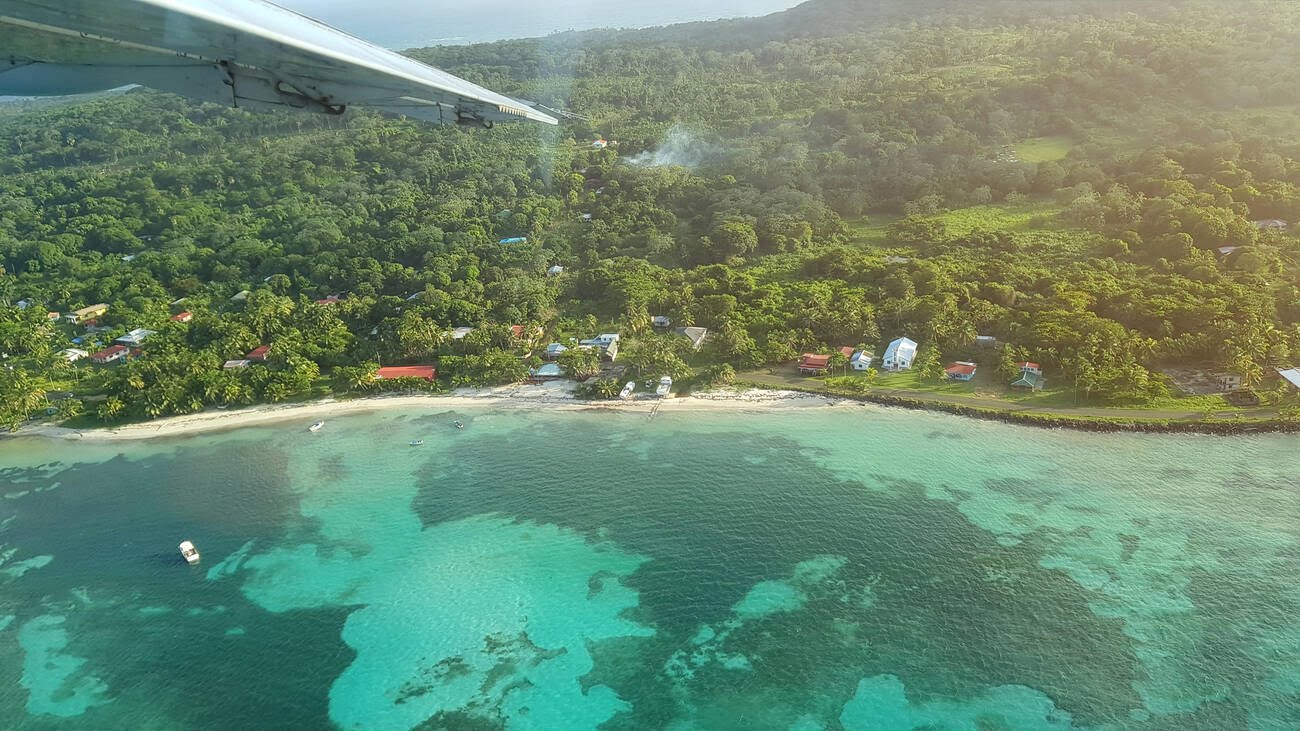
Located in the Caribbean Sea off the coast of Nicaragua, Corn Island stands as a evidence to untouched natural beauty and vibrant local Caribbean culture. This guide aims to unravel the mysteries of this tropical gem, offering insights into its pristine beaches, rich cultural heritage, and abundant marine life. Whether you’re planning a relaxing getaway or an adventure-filled vacation, Corn Island promises an unforgettable experience unlike any other in the Caribbean.
Discovering the Charm of Corn Island
Corn Island comprises two main islets: the larger Big Corn Island and the smaller, more secluded Little Corn Island. Each island offers its own unique allure, catering to different preferences of travelers. Big Corn Island is known for its bustling activity and more developed infrastructure, making it ideal for those seeking a blend of relaxation and amenities. On the other hand, Little Corn Island remains a tranquil paradise, accessible only by boat and devoid of cars or paved roads, appealing to travelers looking for a secluded retreat in nature.
Why Visit Corn Island?
Beautiful Beaches and Pristine Waters
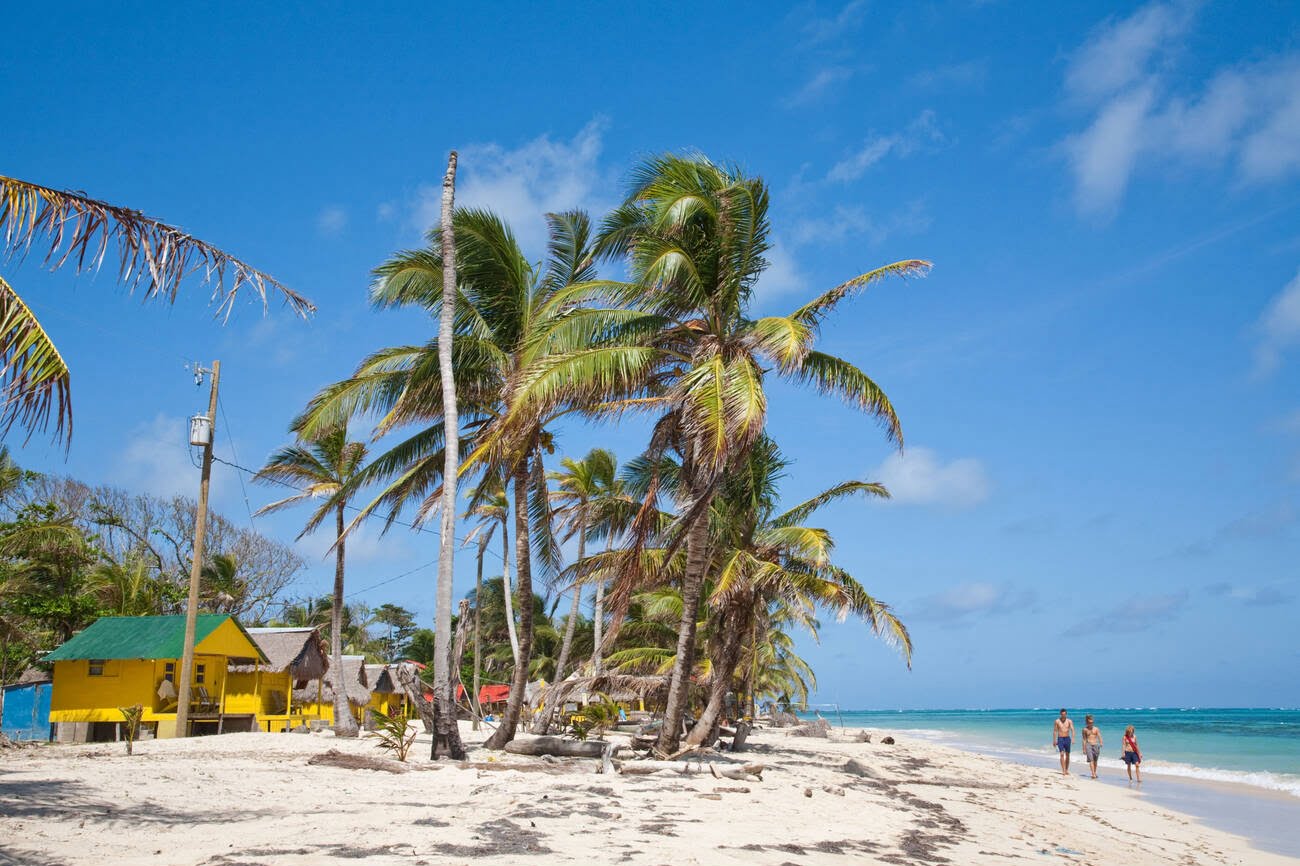
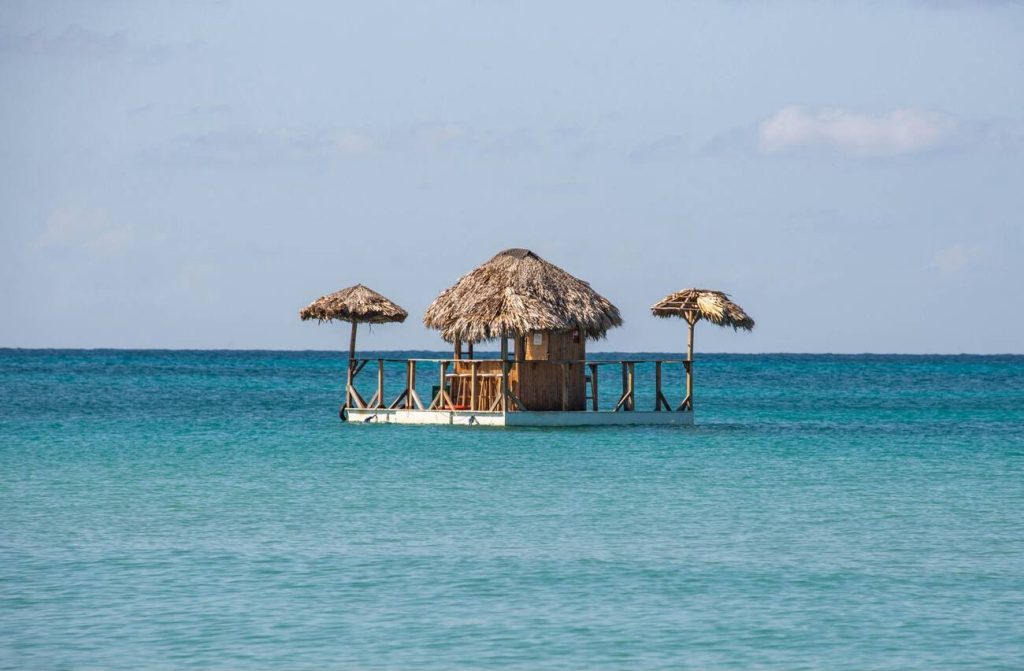
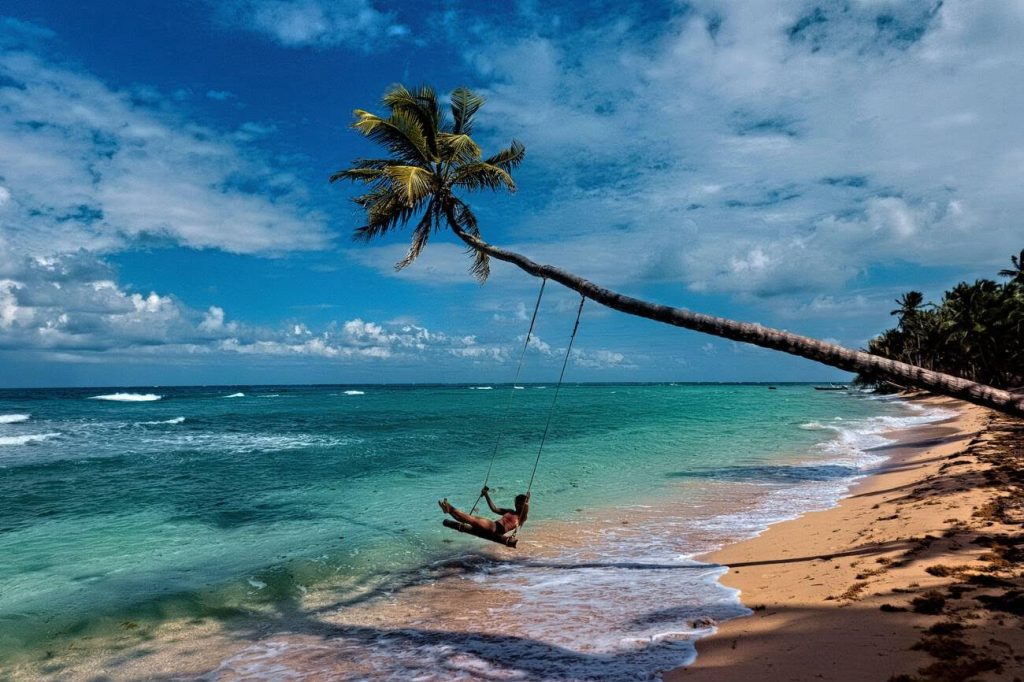
The beaches of Corn Island are undoubtedly its most alluring feature, drawing visitors from around the world with their powdery white sands and crystal-clear waters. On Big Corn Island, South West Bay is the main hub for beach activities, offering facilities for snorkeling, diving, and water sports. The beach is lined with restaurants and bars where visitors can enjoy fresh seafood while taking in panoramic views of the Caribbean Sea. Little Corn Island, in contrast, boasts quieter beaches like Sally Peachie and Otter’s Beach, where travelers can unwind in solitude and explore the underwater wonders just offshore.
Unique Cultural Experiences
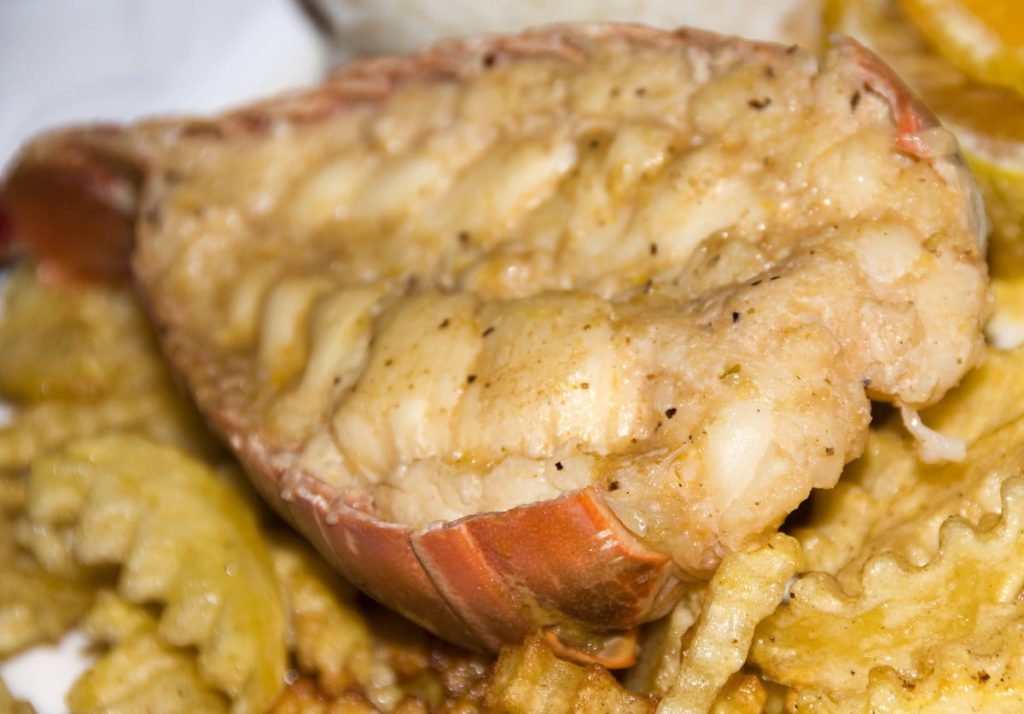
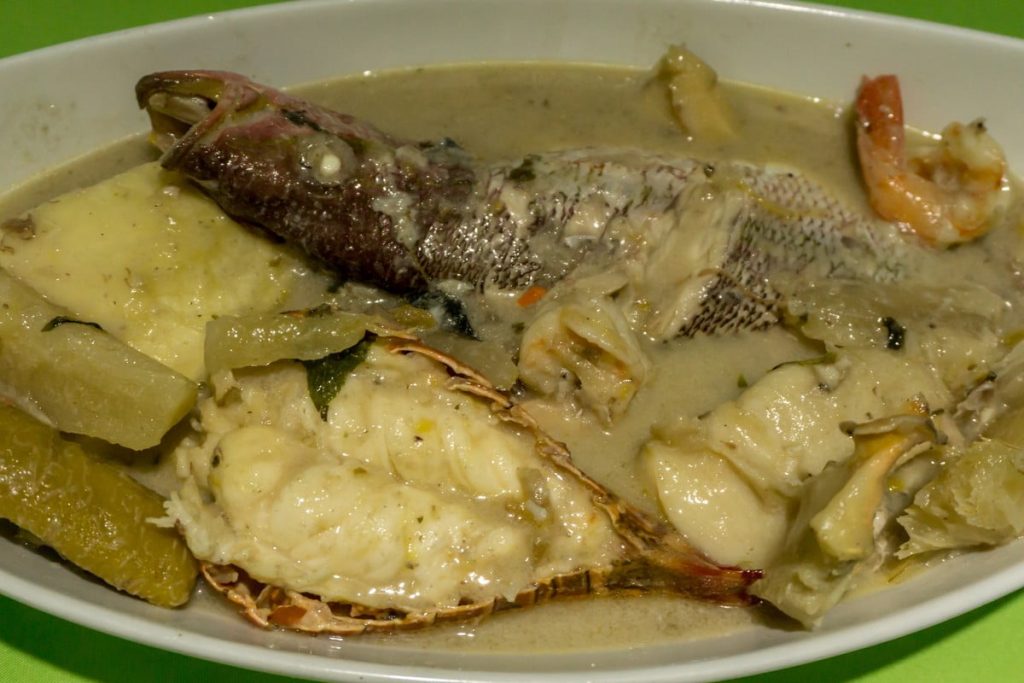
One of the highlights of visiting Corn Island is immersing yourself in the vibrant culture of its inhabitants, primarily descendants of African slaves and British settlers. The Creole culture is deeply rooted in the island’s traditions, cuisine, and music, creating a distinctive atmosphere that captivates visitors. Local festivals and events showcase traditional dances, music, and cuisine, providing a glimpse into the islanders’ way of life. Be sure to try local specialties such as Rundown, a savory coconut-based seafood stew, or indulge in fresh lobster, a staple of Corn Island cuisine.
Opportunities for Snorkeling and Diving
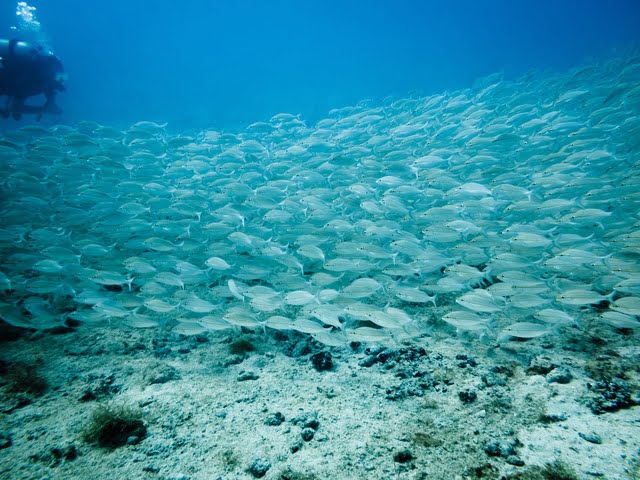
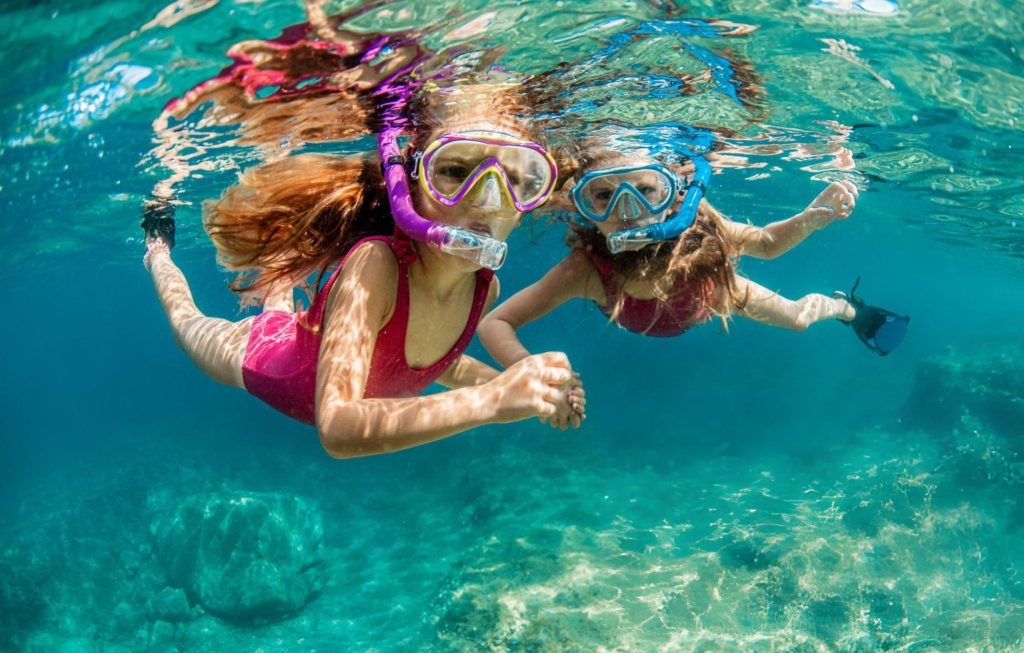
Corn Island is renowned for its exceptional snorkeling and diving sites, offering enthusiasts a chance to explore vibrant coral reefs teeming with marine life. The waters surrounding the islands are home to a diverse array of underwater ecosystems, from shallow reefs abundant with colorful fish to deeper waters where larger species like nurse sharks and rays can be spotted. Dive shops on both Big and Little Corn Islands offer guided tours and certification courses for beginners and experienced divers alike, ensuring everyone can experience the beauty beneath the waves.
Planning Your Trip to Corn Island
Best Time to Visit
The best time to visit Corn Island is during the dry season, which runs from February to April. During these months, the weather is typically sunny and dry, ideal for beach activities and outdoor exploration. The rainy season, from May to October, brings occasional showers and higher humidity, although it can be a quieter time to visit with fewer tourists.
How to Get to Corn Island
Travel to Corn Island usually begins with a flight from Nicaragua’s capital, Managua, to Augusto C. Sandino International Airport. From there, travelers can catch a connecting flight to Corn Island Airport, which takes approximately 1.5 hours. Alternatively, ferries operate from the mainland cities of Bluefield’s and El Rama, providing a scenic but longer journey that takes around 6-7 hours depending on weather conditions.

Accommodation Options
Corn Island offers a variety of accommodations to suit every traveler’s preferences and budget. On Big Corn Island, visitors can choose from beachfront resorts offering luxury amenities to budget-friendly guesthouses and hostels. Little Corn Island, known for its eco-friendly ethos, features charming boutique hotels and eco-lodges situated amidst lush tropical gardens. Booking accommodations in advance is recommended, especially during peak tourist seasons, to secure your preferred choice.
Things to Do on Corn Island
Beach Activities
Corn Island’s beaches cater to both relaxation seekers and adventure enthusiasts alike. South West Bay on Big Corn Island is a hub for water sports such as snorkeling, paddleboarding, and jet skiing. Visitors can rent equipment locally or join guided tours to explore nearby reefs and underwater caves. Little Corn Island’s more secluded beaches offer tranquility and opportunities for sunbathing, beachcombing, and leisurely swims in calm, turquoise waters.
Exploring Local Culture
Delve into the vibrant Creole culture by visiting local markets, attending cultural performances, and participating in cooking classes that highlight traditional cuisine. The islanders’ warm hospitality invites travelers to engage in conversations and learn about their customs and daily life. Artisan shops on both islands offer handmade crafts and souvenirs, providing a glimpse into the island’s artistic traditions and craftsmanship.
Natural Attractions and Wildlife
Natural Reserves
Corn Island boasts several natural reserves and protected areas that showcase its diverse ecosystems and pristine landscapes. The Pearl Keys, located off the coast of Little Corn Island, are a group of uninhabited islets surrounded by vibrant coral reefs, making them a haven for snorkelers and nature enthusiasts. On Big Corn Island, visit the Southern Keys Nature Reserve to explore hiking trails through dense tropical forests and observe native bird species in their natural habitat.
Scenic Views and Landmarks
For panoramic views of the Caribbean Sea, hike to the highest points on both Big and Little Corn Islands. On Big Corn Island, climb to the top of the lighthouse for breathtaking vistas of the coastline and surrounding islands. Little Corn Island offers hiking trails that wind through lush rainforests, leading to secluded viewpoints overlooking pristine beaches and hidden coves. Historic landmarks such as the remains of ancient indigenous settlements and colonial-era buildings provide insights into the islands’ rich history and cultural heritage.
Practical Tips for Visitors
Health and Safety
While Corn Island is generally safe for visitors, it’s essential to take precautions to ensure a comfortable and enjoyable stay. Use sunscreen and insect repellent, as tropical conditions can be intense. Drink bottled water to avoid dehydration and be mindful of local customs and regulations, respecting the environment and cultural traditions.
Local Cuisine and Dining
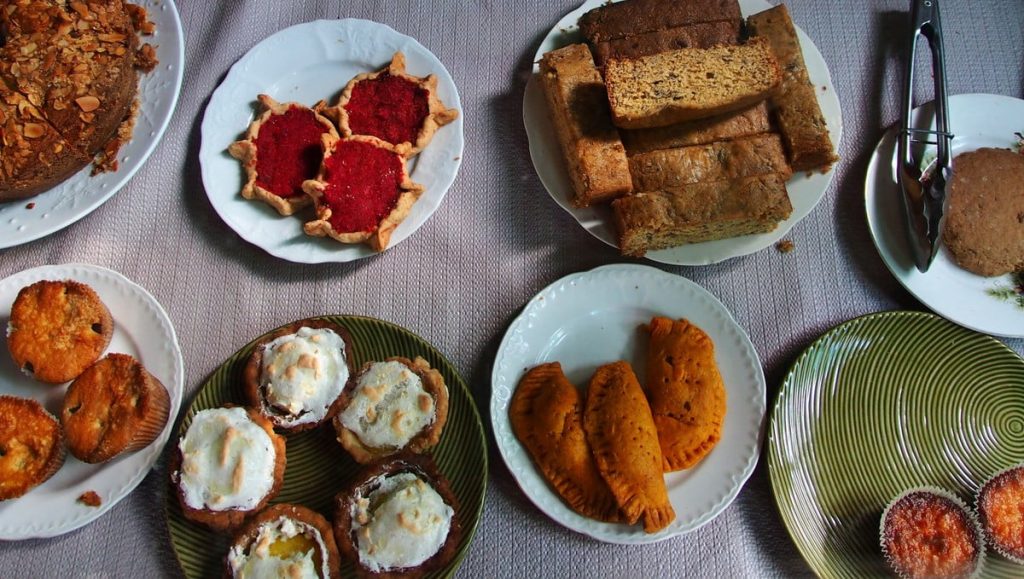
Indulge in the flavors of Corn Island by sampling fresh seafood dishes prepared with locally sourced ingredients. Restaurants and beachside eateries offer a variety of Creole and international cuisines, ensuring there’s something to satisfy every palate. Don’t miss the opportunity to dine on fresh lobster, a delicacy synonymous with Corn Island, served grilled, fried, or in savory stews that highlight the island’s culinary diversity.
Sustainability and Responsible Tourism
Environmental Initiatives
Support sustainable tourism practices during your visit to Corn Island by choosing eco-friendly accommodations and tour operators committed to preserving the island’s natural beauty. Participate in beach clean-up activities or conservation projects organized by local organizations to minimize your environmental impact and contribute positively to the community. Respect marine life and coral reefs by snorkeling and diving responsibly, following guidelines to protect fragile ecosystems and wildlife habitats.
Conclusion
Corn Island invites travelers to discover the allure of the Caribbean through its pristine beaches, rich cultural heritage, and abundant natural beauty. Whether you’re seeking adventure in the ocean depths or tranquility on secluded shores, Corn Island promises an escape to paradise that will leave a lasting impression. Plan your journey to this tropical gem and uncover why it’s a destination unlike any other in the Caribbean.
Leave a Reply