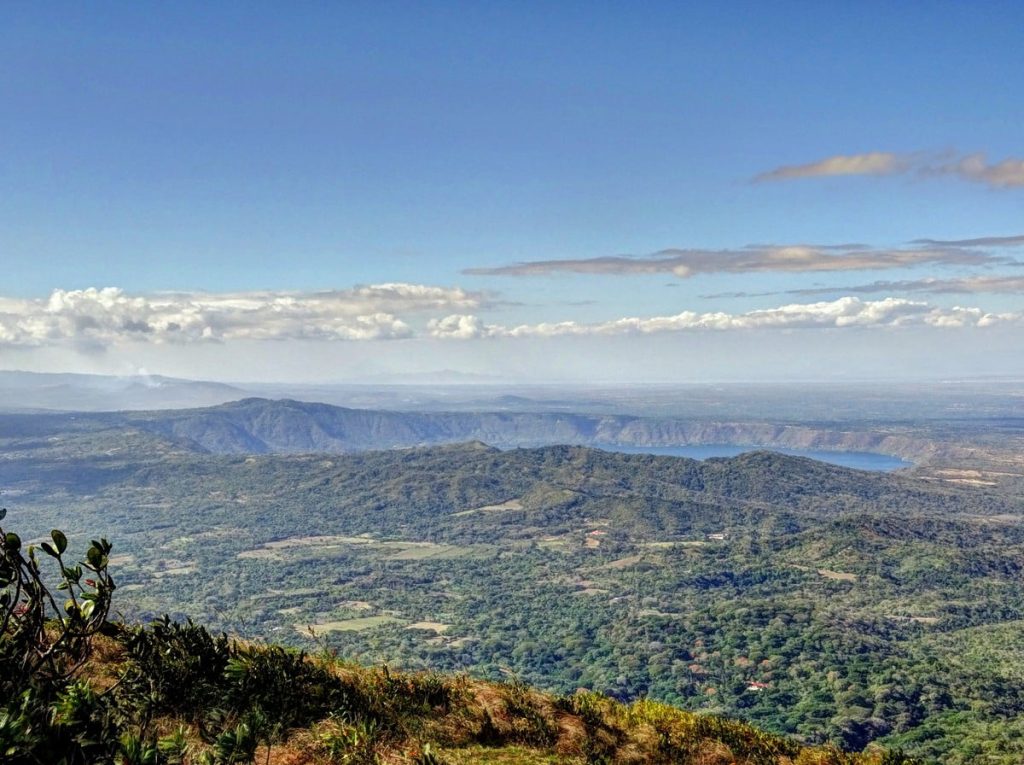
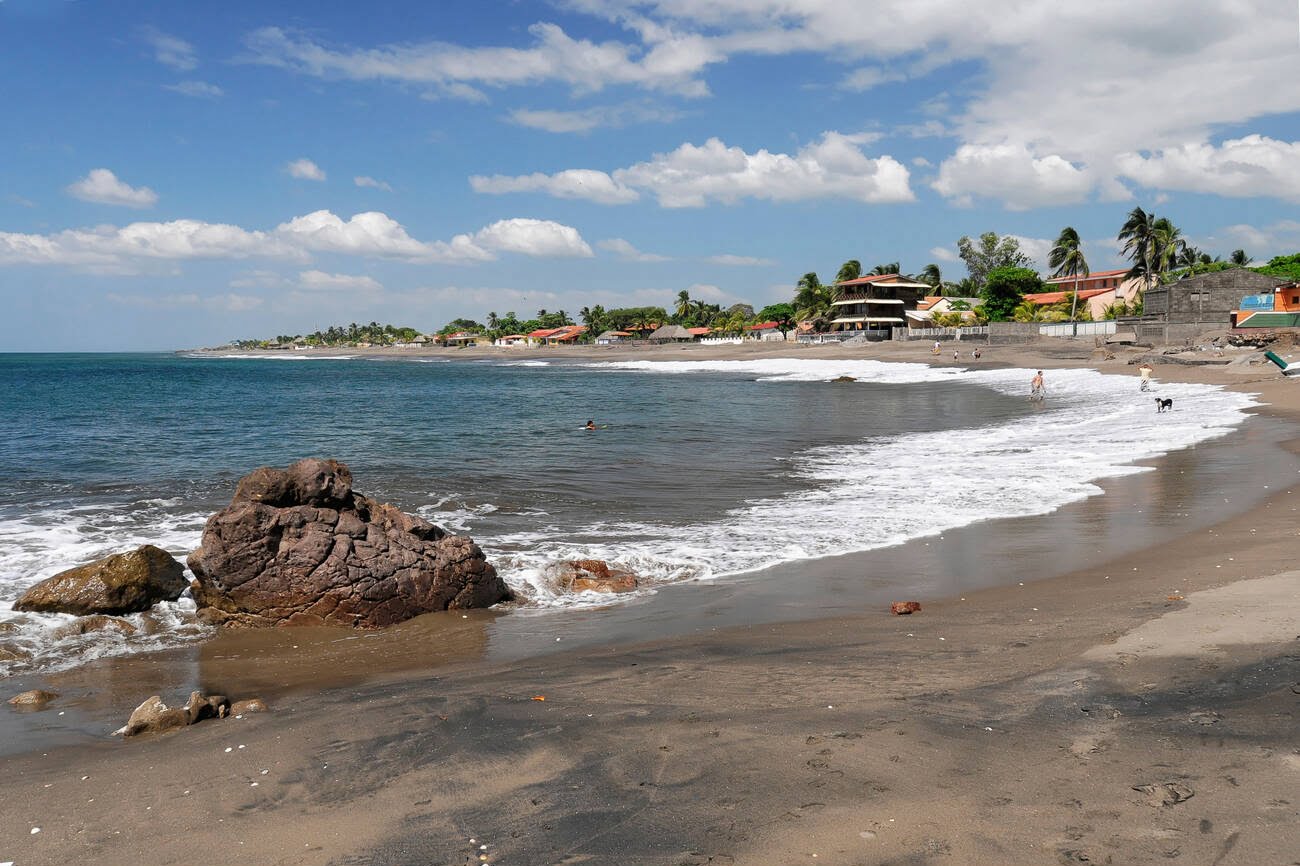
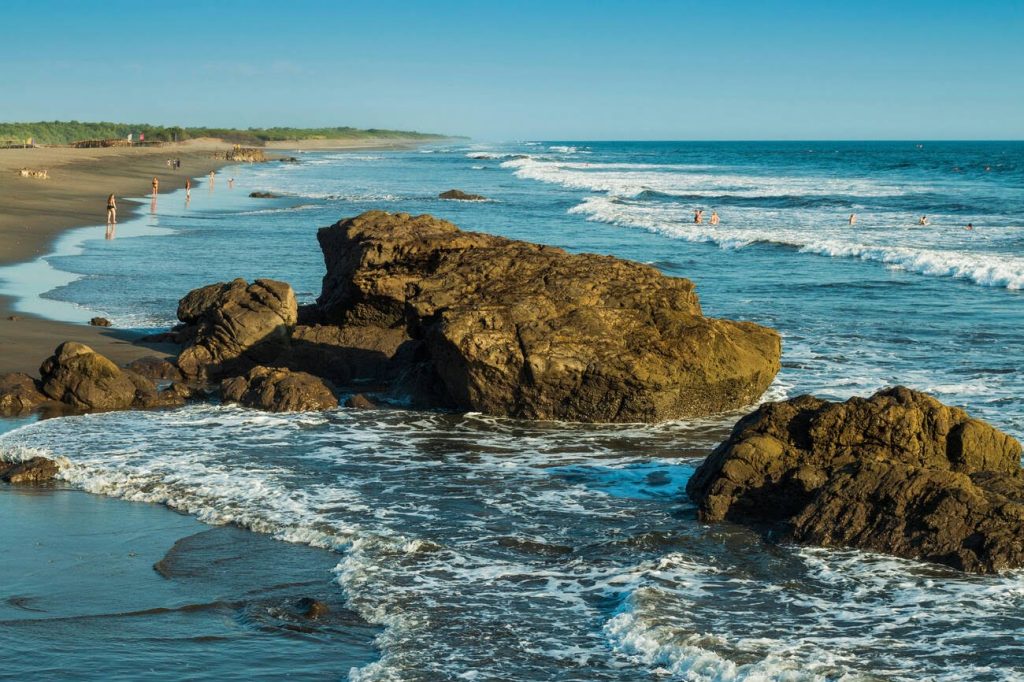
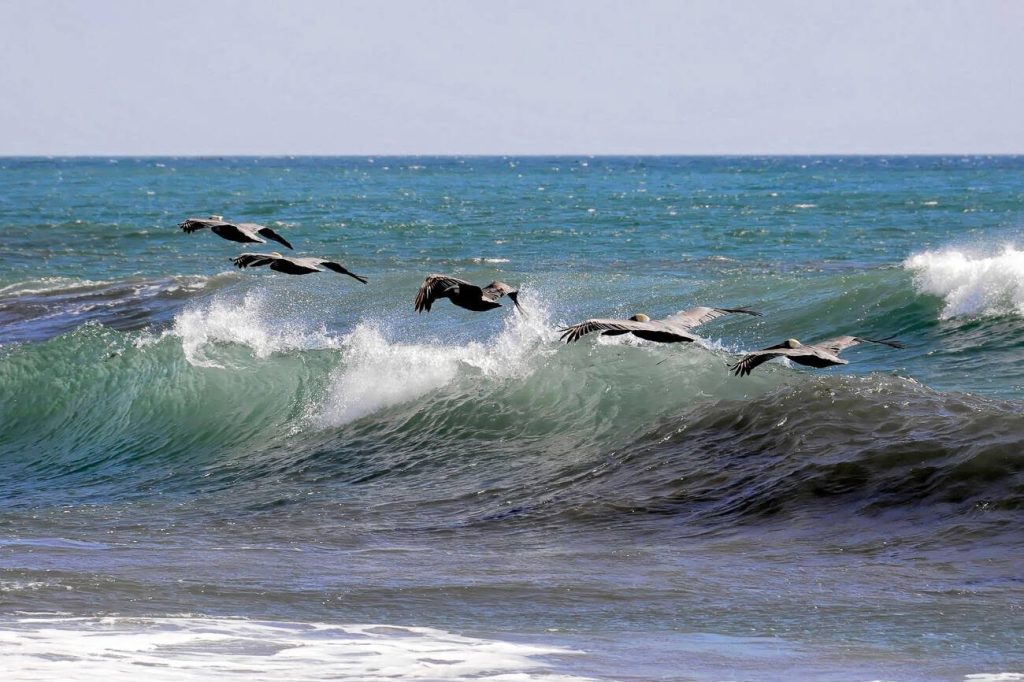
Por qué Nicaragua es un destino top para surfistas
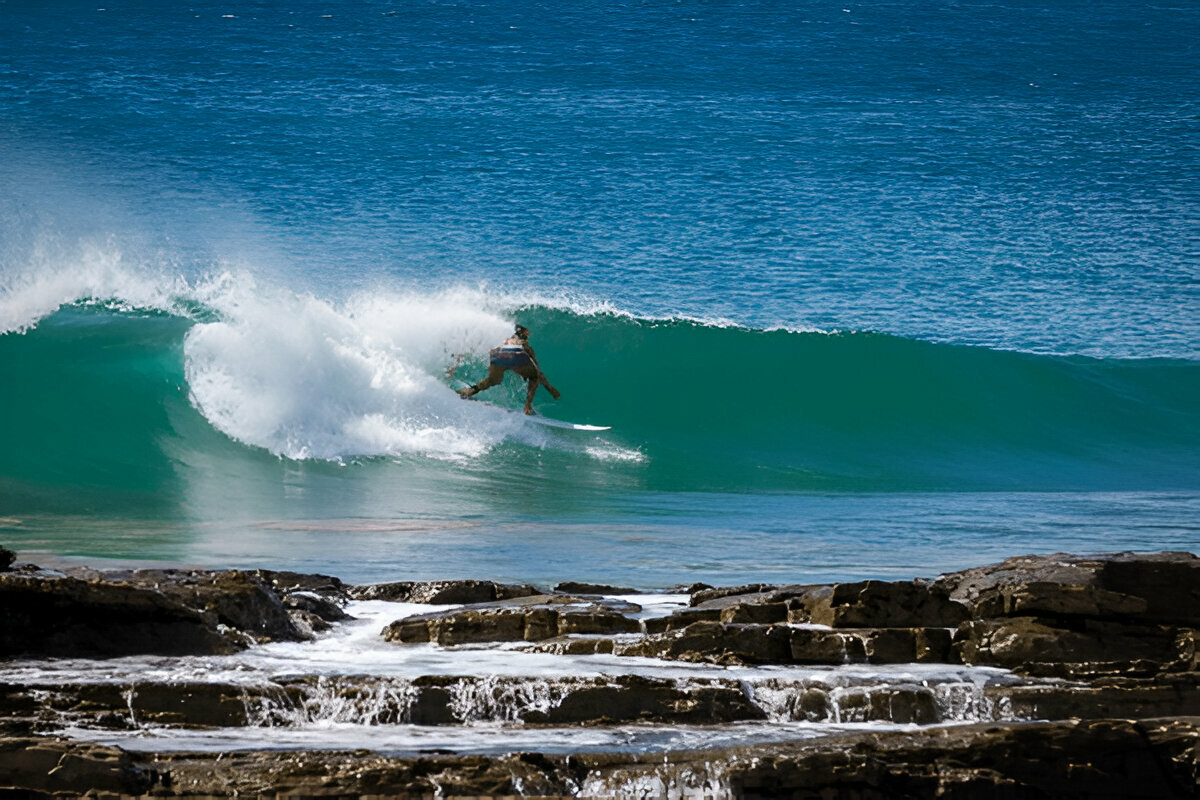
Nicaragua se ha convertido en un paraíso para surfistas por su clima cálido, precios accesibles y la constancia de sus olas durante todo el año gracias a sus vientos offshore. Ofrece una diversidad de rompientes para todos los niveles, desde principiantes hasta surfistas de olas grandes, convirtiéndose en un destino ideal para quienes buscan mejorar sus habilidades en un entorno relajado y natural.
Guía rápida: Mejores playas para surfear en Nicaragua
Playa Colorado
Una de las playas más famosas por su potente beach break tubular que ofrece olas rápidas y consistentes. Se accede a través de Hacienda Iguana o por lancha, siendo ideal para surfistas intermedios y avanzados que buscan tubos perfectos.
Popoyo
Este spot ofrece una variedad de rompientes, desde el Popoyo Outer Reef, que es una ola izquierda potente mar adentro, hasta Beginner’s Bay, perfecta para quienes están aprendiendo. También cuenta con Popoyo Main Break, donde se pueden encontrar olas consistentes durante todo el año.
Playa Maderas
Ubicada cerca de San Juan del Sur, Playa Maderas es una de las playas más populares para surfistas de todos los niveles. Sus olas suaves son ideales para principiantes, mientras que las secciones más potentes mantienen entretenidos a los surfistas intermedios.
Panga Drops
Conocida por magnificar los swells, Panga Drops es un reef break de aguas profundas que sostiene olas más grandes que otros spots en la zona. Recomendado para surfistas intermedios y avanzados que buscan olas con potencia.
Playgrounds
Una ola divertida y maniobrable, con secciones que permiten giros rápidos, similar a Trestles en California. Está ubicada un poco al norte de Popoyo, ideal para surfistas intermedios.
Otros spots destacados
Playa Santana: buena para sesiones matutinas y atardeceres con olas consistentes.
El Astillero: menos concurrido, con olas de calidad.
Playa Hermosa: popular entre surfistas y con buenos accesos.
El Transito: ideal para explorar y disfrutar de la tranquilidad mientras surfeas.
Cuál es la mejor época para surfear en Nicaragua
La temporada de olas grandes en Nicaragua va de abril a octubre, ofreciendo swells constantes del sur, mientras que de noviembre a marzo se pueden encontrar olas más pequeñas y condiciones perfectas para principiantes. Gracias a los vientos offshore, Nicaragua mantiene condiciones óptimas durante casi todo el año.
Consejos para surfistas en Nicaragua
Llevar bloqueador solar resistente al agua, leash de repuesto y una tabla adecuada para olas potentes.
Se recomienda viajar con seguro de viaje que cubra actividades de surf.
Existen escuelas de surf en Popoyo, Playa Maderas y San Juan del Sur para quienes deseen mejorar sus habilidades.
Respetar las reglas y la etiqueta en el agua para una experiencia segura y amigable.
¿Es Nicaragua un buen destino para surfistas principiantes?
Sí, Nicaragua ofrece varios spots con olas suaves ideales para principiantes, como Beginner’s Bay en Popoyo y Playa Maderas, donde encontrarás escuelas de surf y alquiler de tablas a precios accesibles, en un ambiente relajado y con instructores locales experimentados.
Dónde hospedarse mientras surfeas en Nicaragua
Hacienda Iguana (Playa Colorado y Panga Drops): alojamiento frente al mar con acceso exclusivo a rompientes de calidad.
Hostales en Popoyo: opciones económicas y surf camps que incluyen paquetes con clases y alquiler de tablas.
Playa Maderas: opciones de alojamiento frente a la playa, desde hostales hasta eco-lodges.
Preguntas frecuentes sobre surf en Nicaragua (FAQ)
¿Es seguro surfear en Nicaragua? Sí, siempre que sigas las reglas de seguridad y la etiqueta en el agua.
¿Necesito un seguro de viaje para surf? Se recomienda contar con seguro que cubra actividades de surf.
¿Se puede rentar equipo de surf localmente? Sí, en la mayoría de los spots encontrarás alquiler de tablas y equipos.
¿Cuál es la mejor playa para aprender a surfear? Playa Maderas y Beginner’s Bay en Popoyo son ideales para principiantes.
Conclusión: Surfear en Nicaragua, una experiencia inolvidable
Nicaragua es un destino que ofrece olas de calidad, variedad de rompientes y una comunidad surfista amigable que convierte cada sesión en una experiencia memorable. Ya seas principiante o surfista avanzado, las playas nicaragüenses te esperan con olas consistentes y paisajes impresionantes, perfectos para quienes desean mejorar su surf mientras disfrutan de la belleza natural del país.
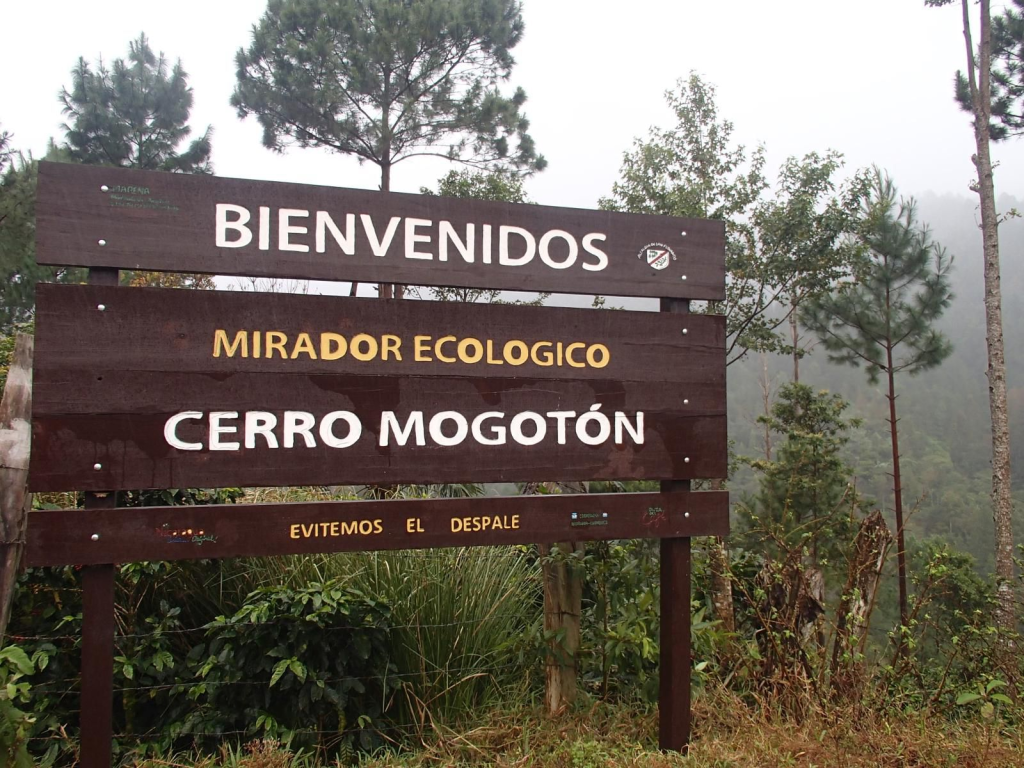
¿Te gustaría conquistar el punto más alto de Nicaragua? El Mogotón Nicaragua es un destino ideal para los amantes del senderismo y la naturaleza, ofreciendo una experiencia única con vistas impresionantes, clima fresco y una biodiversidad rica en cada paso del ascenso.
Con una altura de 2,107 metros sobre el nivel del mar, el Mogotón se ubica en la frontera con Honduras, dentro del departamento de Nueva Segovia. Subir a este pico no es solo un logro personal, sino una oportunidad de descubrir paisajes, comunidades cafetaleras y ecosistemas de montaña en una de las zonas menos exploradas del país.
¿Dónde está ubicado el Mogotón en Nicaragua?
El Mogotón se encuentra en el extremo norte de Nicaragua, formando parte de la Cordillera Dipilto-Jalapa, en la frontera con Honduras. Se accede principalmente desde las ciudades de Ocotal y Jalapa, en el departamento de Nueva Segovia.
¿Qué hace especial al Mogotón?
Altitud: 2,107 msnm.
Biodiversidad: Bosques nubosos, orquídeas, aves endémicas y fauna local.
Clima: Fresco y lluvioso la mayor parte del año.
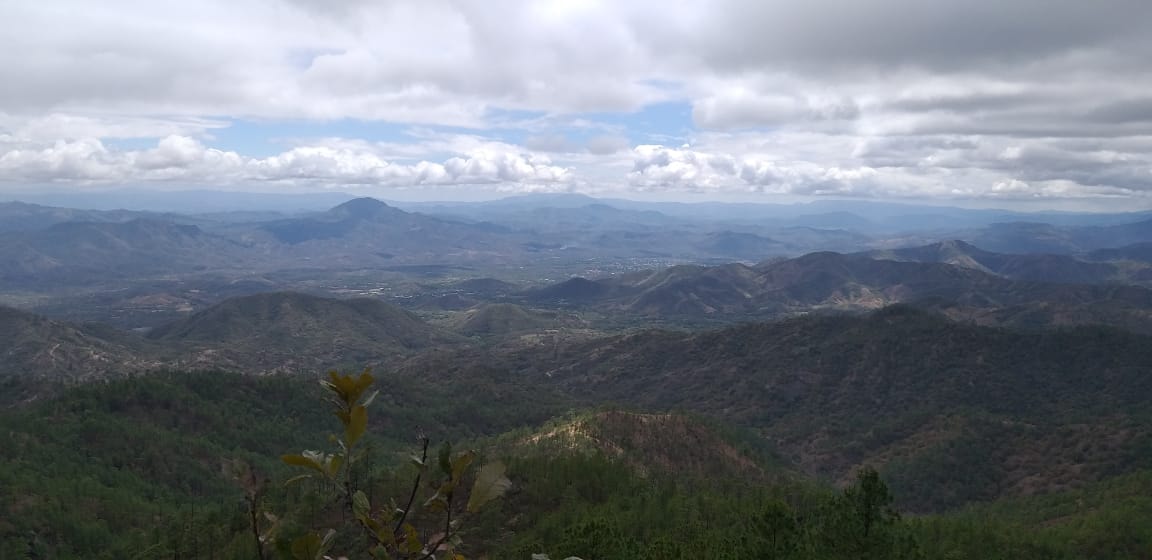
Paisaje: Vistas panorámicas de montañas y plantaciones de café.
¿Cómo subir al Mogotón? Ruta y logística
Mejor época para subir al Mogotón
La mejor temporada para subir es de diciembre a abril (temporada seca) para mayor visibilidad, aunque durante la temporada lluviosa el paisaje es más verde.
Requisitos y permisos
Recomendable contratar un guía local y llevar identificación personal.
Ruta y duración
Distancia: 14-18 km ida y vuelta.
Duración: 6-8 horas.
Dificultad: Moderado a exigente.
Equipo recomendado
Botas de montaña impermeables.
Ropa cómoda y de secado rápido.
Chubasquero o poncho.
Agua y snacks energéticos.
Protector solar y gorra.
Consejos de seguridad para subir al Mogotón Nicaragua
Consultar el clima antes de subir.
Contratar guías locales.
Evitar subir de noche.
Respetar el ecosistema, no dejar basura.
Hospedaje y servicios cercanos al Mogotón
Opciones en Ocotal y Jalapa con hospedajes rurales y alimentación local para el viajero.
Experiencia cultural en la zona del Mogotón
Conoce la cultura cafetalera de Nueva Segovia y disfruta de su café de altura mientras contribuyes al turismo comunitario.
¿Por qué visitar el Mogotón en Nicaragua?
Te permite conquistar el pico más alto del país, disfrutar paisajes espectaculares y vivir una experiencia de turismo responsable y de aventura.
Preguntas frecuentes sobre el Mogotón Nicaragua
¿Es seguro? Sí, si vas con guía y tomas precauciones.
¿Necesito guía? Muy recomendable.
¿Costo? Entre $20-$40 USD con guía local.
¿Se puede acampar? Sí, con equipo adecuado.
Otros destinos cercanos para combinar con Mogotón
Ocotal: Historia y cultura.
Jalapa: Cafetales y paisajes.
Reserva Natural Miraflor: Senderos y cascadas.
Conclusión: Vive la experiencia del Mogotón Nicaragua
Subir el Mogotón Nicaragua es una experiencia que combina naturaleza, cultura y aventura. Prepárate y descubre este destino impresionante en tu próxima visita.
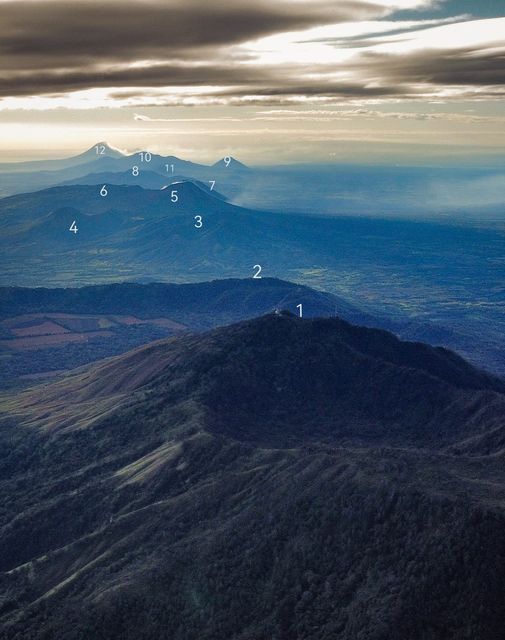
Nicaragua’s dramatic landscape is largely shaped by its volcanic activity, which has given rise to some of the most stunning and active volcanoes in Central America. From the iconic peaks of Concepción to the ongoing eruptions of Masaya, each volcano tells a story of geological forces at work. In this comprehensive guide, we explore the major volcanoes of Nicaragua, uncover their unique features, and provide insights into how you can experience these natural wonders firsthand.
Nicaragua’s position along the Pacific Ring of Fire, a region known for its intense volcanic and seismic activity, plays a crucial role in the formation of its volcanoes. The Cocos Plate, which is moving eastward, interacts with the Caribbean Plate, leading to volcanic activity. This tectonic setting creates a variety of volcanic structures, from towering stratovolcanoes to cinder cones, each contributing to Nicaragua’s diverse geological landscape.
The region’s volcanic activity is not only a result of tectonic plate movements but also the result of the mantle plume activity, which fuels the magma beneath the surface. This combination of factors results in frequent volcanic activity and a landscape marked by fertile volcanic soils and dramatic landforms.
Historical Volcanic Activity
Throughout history, Nicaraguan volcanoes have played a significant role in shaping the region’s environment and culture. Notable eruptions include the 1772 eruption of Masaya Volcano, which had a profound impact on the local population, forcing the evacuation of nearby towns. These eruptions have not only altered the physical landscape but have also influenced local folklore and cultural practices.
Major Nicaraguan Volcanoes
Concepción Volcano
Location and Prominence
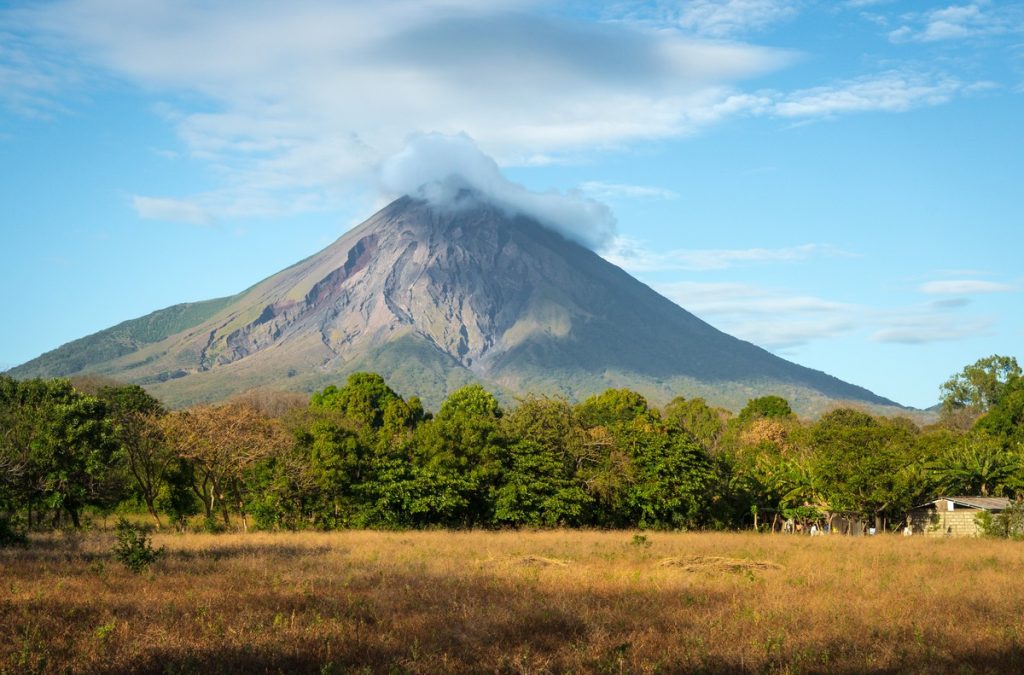
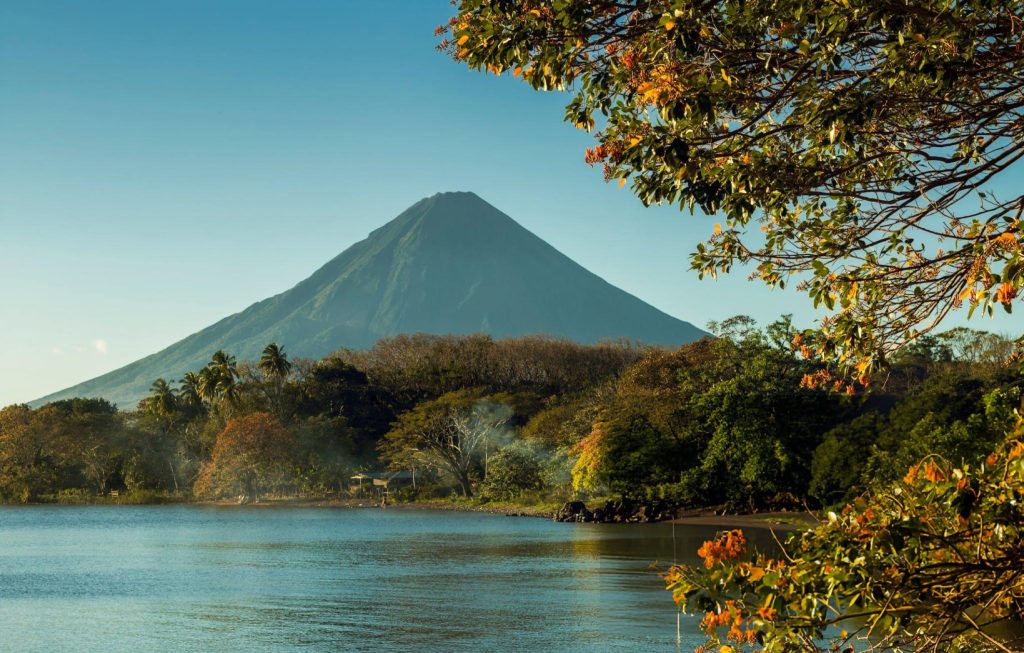
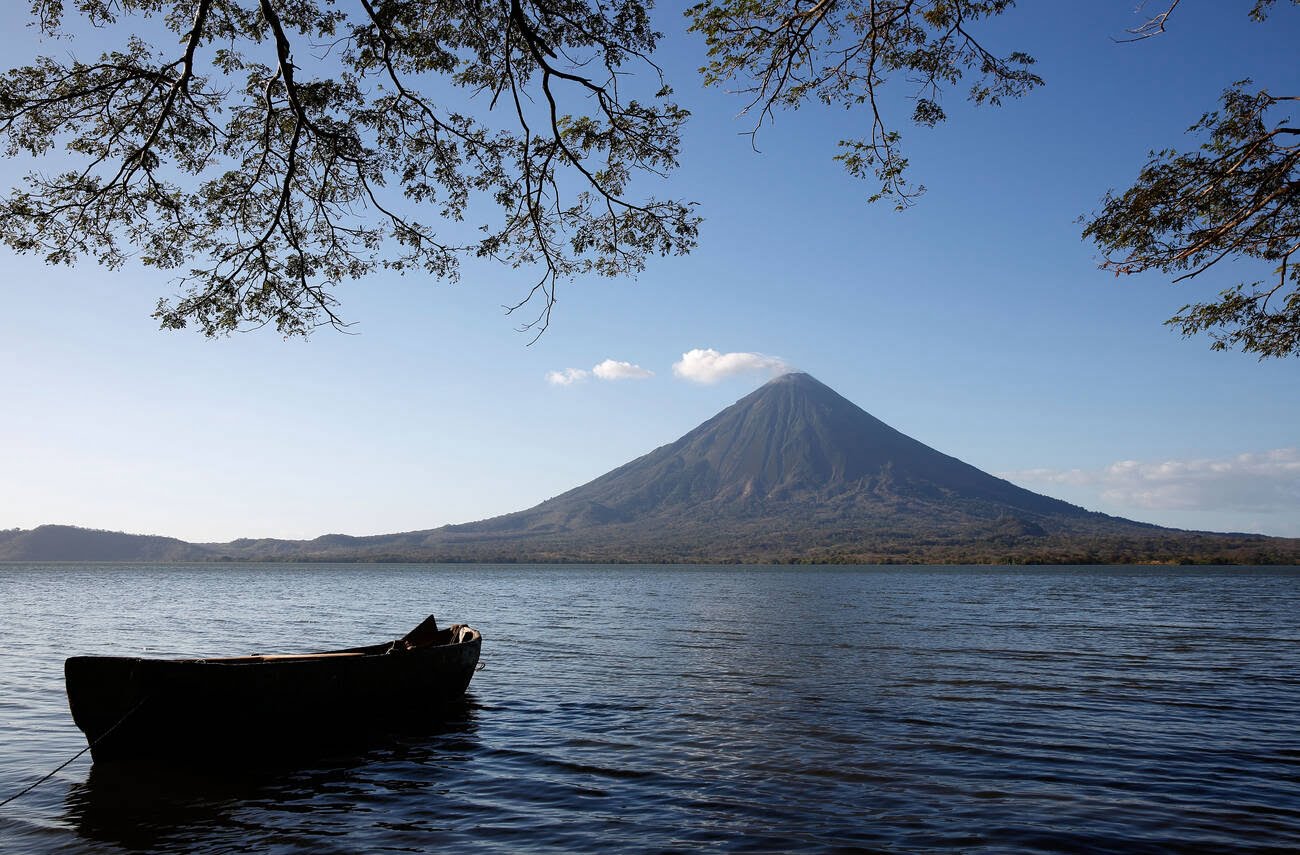
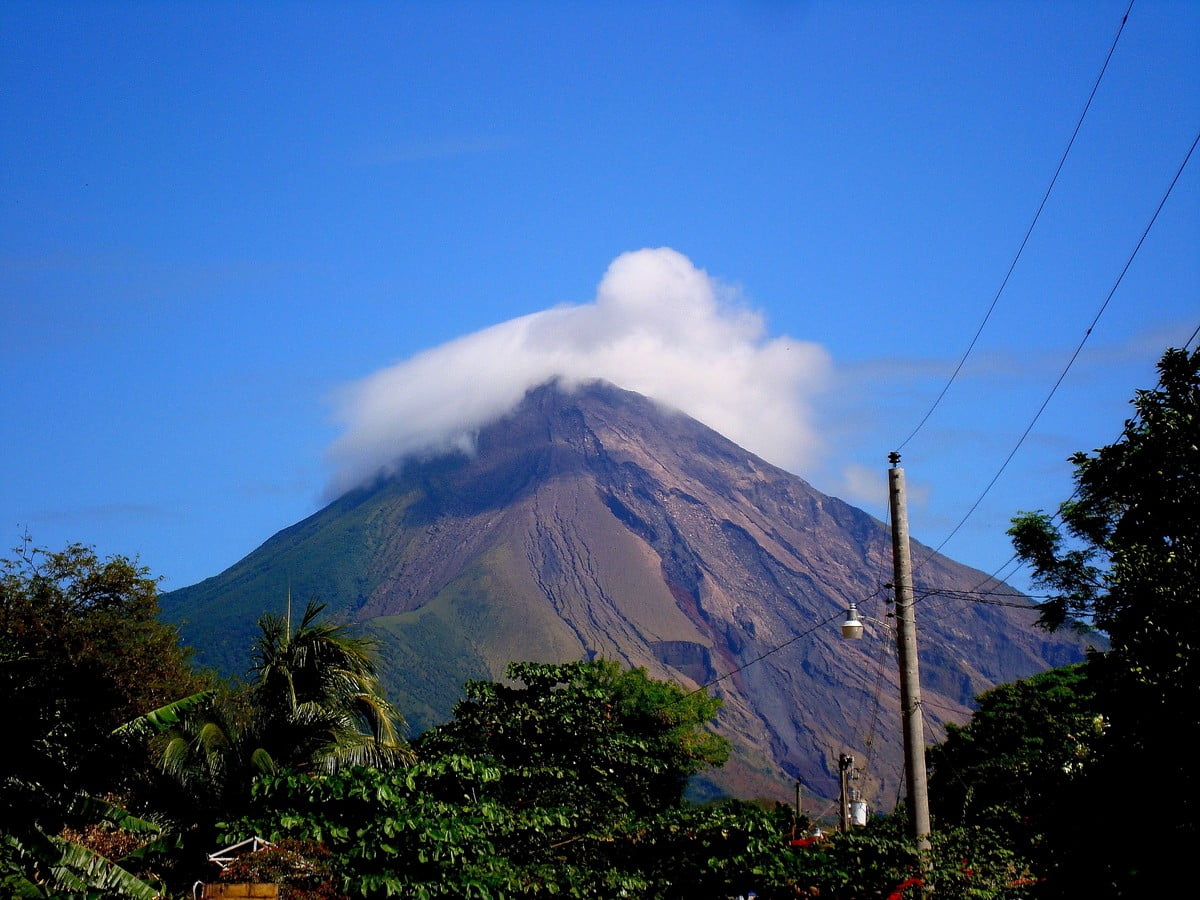
Concepción Volcano is a dominant feature on Ometepe Island, a unique landmass formed by two volcanoes rising from Lake Cocibolca. Located in the southwestern part of Nicaragua, Concepción is a prominent stratovolcano, with its symmetrical cone visible from many parts of the island. The volcano’s elevation of 1,610 meters (5,282 feet) makes it one of the tallest and most visually striking volcanoes in Nicaragua.
Recent Activity and Eruptions
Concepción is known for its frequent eruptions, with the most recent significant eruption occurring in 1957. This activity has shaped the volcano’s current form and contributed to the rich volcanic soil around it. Its eruptions have varied in intensity, from explosive events to more passive lava flows. The volcano is actively monitored by scientists to predict future eruptions and assess potential risks to nearby communities.
Tourism and Hiking Opportunities
Hiking Concepción Volcano is a popular activity for adventure enthusiasts. The trek to the summit is challenging, with a steep and rugged trail that can take 5-7 hours to complete. However, the effort is rewarded with panoramic views of Lake Cocibolca, the surrounding landscape, and even the neighboring Mombacho Volcano on clear days.
Tourists can also explore the island’s unique biodiversity, including various species of birds and endemic plants. The island offers several other attractions, such as petroglyphs and local cultural sites.
Name
Concepción Volcano
Status
Active
Type
Stratovolcano
Coordinates
11.538°N, 85.623°W
Last Eruption
1986
Elevation
1,610 m
Activities
Climbing
Difficulty
Mombacho Volcano
Overview of the Volcanic Structure
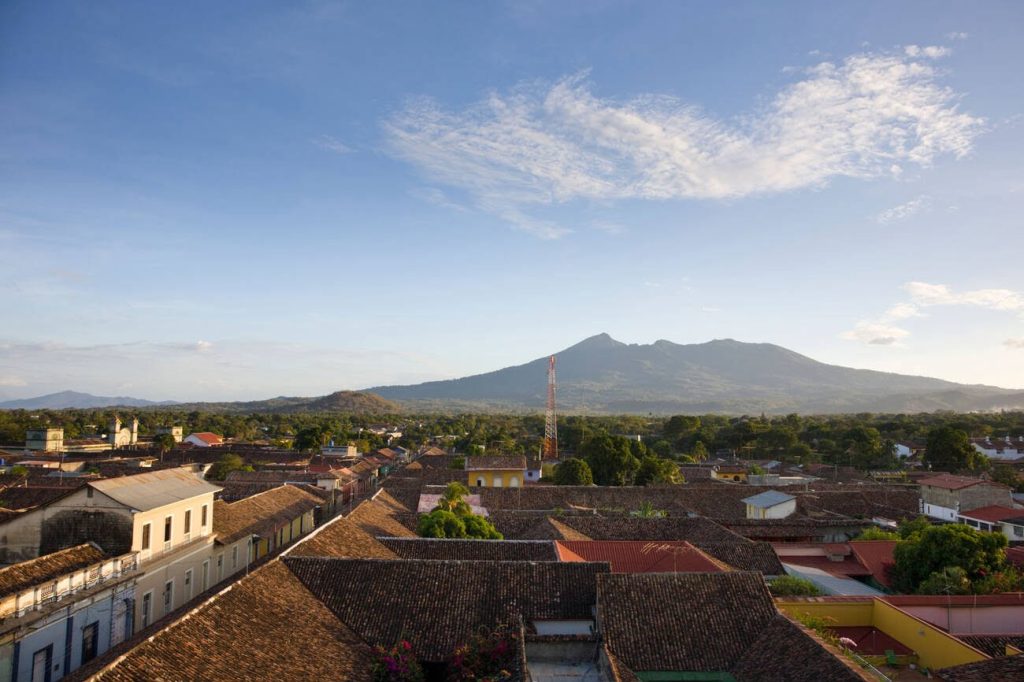
Mombacho Volcano, located near the colonial city of Granada, is a dormant stratovolcano characterized by its broad, expansive crater. The volcano rises to 1,344 meters (4,409 feet) and is distinguished by its well-preserved caldera and several volcanic cones within the crater. The volcanic structure contributes to the area’s diverse ecosystem, including cloud forests that thrive in the humid, cool environment created by the volcano’s elevation.
Current Volcanic Activity
Although Mombacho is currently dormant, its last major eruption occurred in the early 16th century. The volcano is monitored by the Nicaraguan Institute of Territorial Studies (INETER), which tracks seismic activity and gas emissions to ensure that any signs of renewed activity are detected early. The absence of recent eruptions makes Mombacho a safer destination for visitors compared to some other active volcanoes in the region.
Attractions and Eco-Tourism
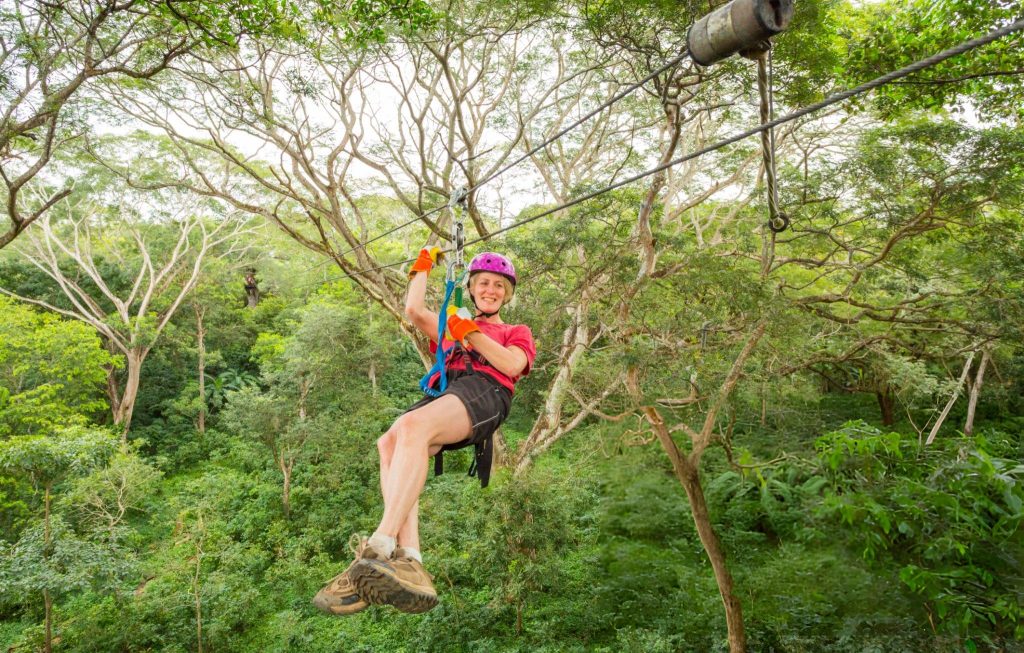
The Mombacho Volcano Nature Reserve is a haven for eco-tourism and outdoor activities. Visitors can explore the cloud forest through various hiking trails that offer different levels of difficulty. The reserve also features zip-lining and canopy tours, providing a thrilling way to experience the lush vegetation and stunning views from above.
Guided tours of the nature reserve offer insights into the area’s unique flora and fauna, including orchids, bromeliads, and diverse bird species. The reserve’s conservation efforts aim to protect the delicate ecosystem and promote sustainable tourism.
Photo by ROBERTO ZUNIGA
Name
Mombacho Volcano
Status
Dormant
Type
Stratovolcano
Coordinates
11.826°N, 85.967°W
Last Eruption
unknown
Elevation
1,345 m
Activities
Hiking
Difficulty
Masaya Volcano
Description of the Active Lava Lake
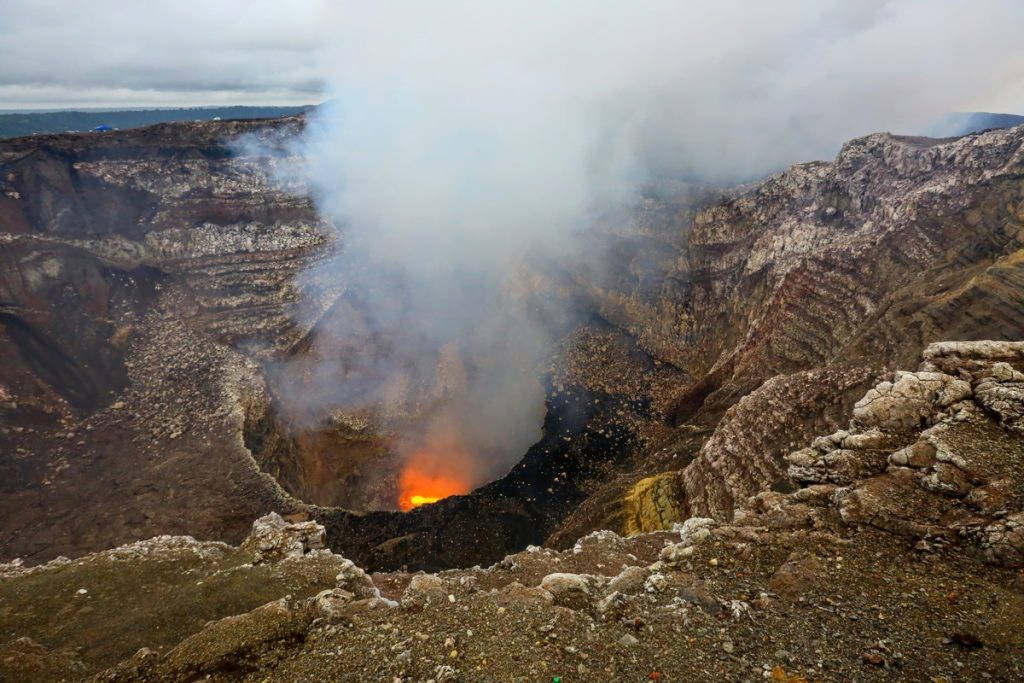
Masaya Volcano, located just 20 kilometers (12 miles) south of Managua, is famous for its active lava lake, one of the few in the world. The lava lake, situated in the main crater of the volcano, provides a dramatic display of molten rock and volcanic gases. The volcano’s activity varies, with occasional bursts of lava and frequent emissions of volcanic gases such as sulfur dioxide.
Recent Eruptions and Volcanic Activity
Masaya has experienced numerous eruptions throughout its history, with significant events in 1772, 1853, and more recently in 2019. These eruptions have shaped the landscape and contributed to the volcano’s reputation as a powerful and dynamic natural feature. The most recent eruptions have been characterized by lava fountains and gas emissions, with occasional ash falls affecting nearby areas.
Safety Measures for Visitors
Due to its ongoing volcanic activity, safety is a top priority for visitors to Masaya Volcano. The national park offers designated viewing areas where tourists can safely observe the lava lake from a distance. Visitors should follow all safety guidelines provided by park rangers and be aware of current volcanic conditions before their visit. It is advisable to check for real-time updates on the volcano’s activity from the Nicaraguan Institute of Territorial Studies.
Name
Masaya Volcano
Status
Active
Type
Shield volcano
Coordinates
11.984°N, 86.161°W
Last Eruption
2003
Elevation
635 m
Activities
Hiking, museum visit
Difficulty
San Cristóbal Volcano
Details on the Tallest Volcano in Nicaragua
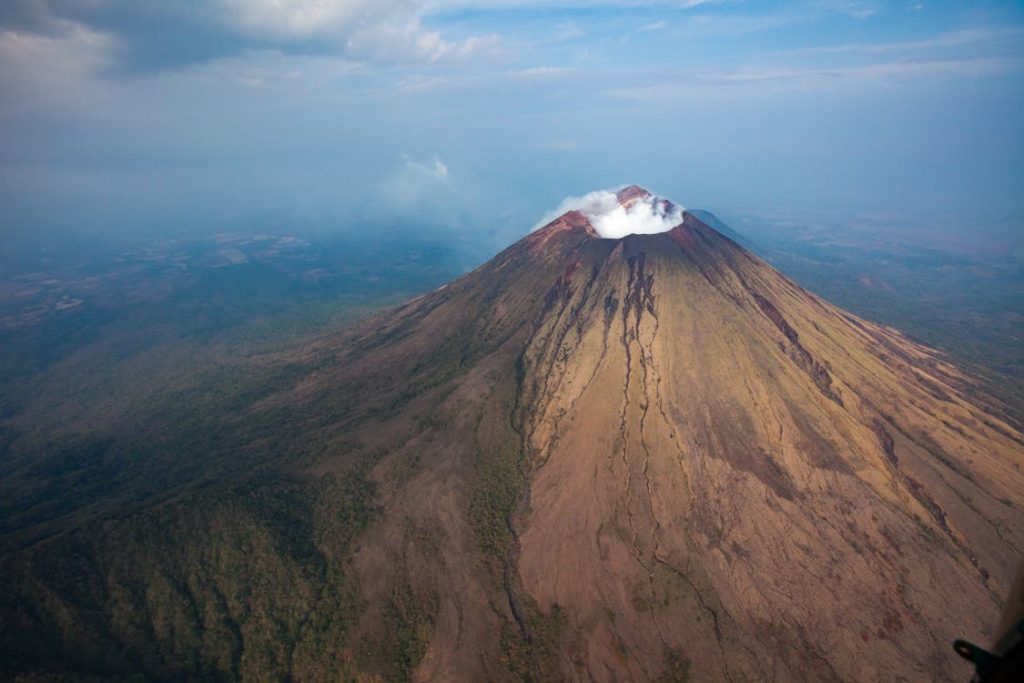
San Cristóbal Volcano, located in the northwestern part of Nicaragua, is the tallest volcano in the country, standing at 1,745 meters (5,725 feet). The volcano is a prominent feature of the region, with its towering peak visible from surrounding towns and cities. San Cristóbal is a stratovolcano, known for its steep, conical shape and frequent volcanic activity.
Historical Eruptions and Volcanic Impact
San Cristóbal has a history of significant eruptions, with its most recent eruption occurring in 2015. The volcano’s eruptions have impacted nearby communities, including the town of Chinandega, which has experienced ash falls and lava flows. Despite its activity, the surrounding area benefits from the fertile volcanic soil, which supports agriculture and local livelihoods.
Climbing and Trekking Opportunities
Climbing San Cristóbal is a challenging but rewarding experience. The trek to the summit can take 6-8 hours, with a steep and strenuous climb. However, the panoramic views from the top are breathtaking, offering a sweeping view of the Nicaraguan landscape, including other volcanoes and the Pacific Ocean on clear days.
Local guides offer tours that provide insights into the volcano’s geology and history, making the climb both an adventure and an educational experience.
Name
San Cristóbal Volcano
Status
Active
Type
Volcanic Complex
Coordinates
12.702°N, 87.004°W
Last Eruption
2004
Elevation
1,745 m
Activities
Climbing
Difficulty
Telica Volcano
Key Features and Eruption History
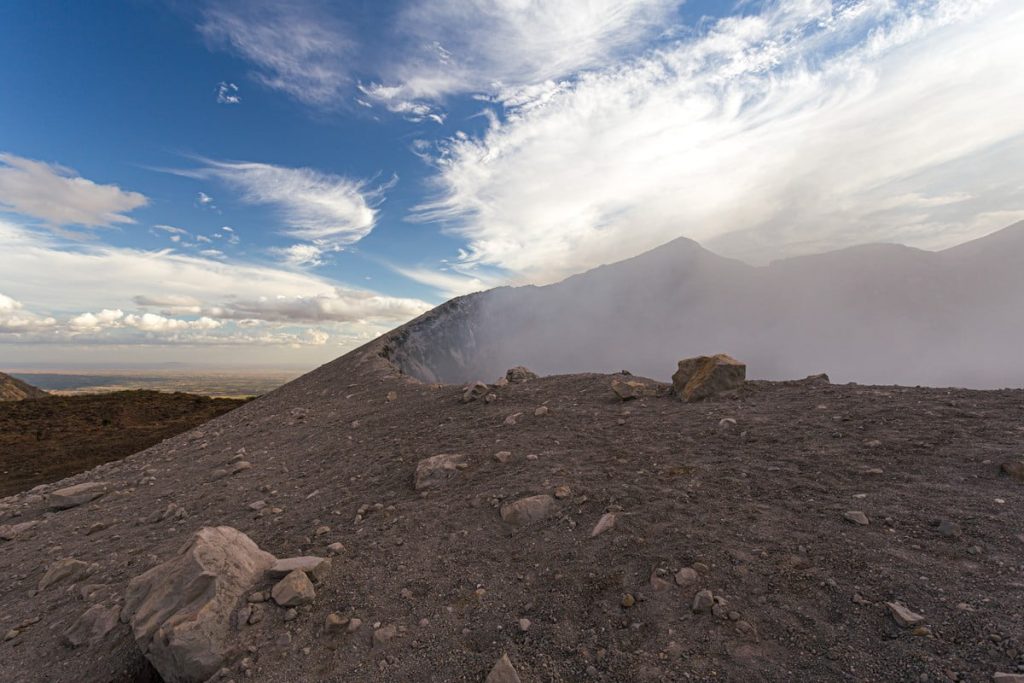
Telica Volcano is a prominent cinder cone located in the northwestern part of Nicaragua. Standing at 1,061 meters (3,484 feet), Telica is known for its frequent eruptions and distinctive volcanic features. The volcano has a history of eruptions dating back several centuries, with significant activity observed in recent decades.
Tourism and Exploration Tips
Visitors to Telica can hike to the summit to witness the volcano’s fumaroles and volcanic craters. The hike is moderately challenging and can take 3-4 hours, depending on the route and weather conditions. The summit offers stunning views of the surrounding landscape, including other volcanoes and the nearby city of León.
For those interested in volcanic activity, Telica provides an opportunity to observe ongoing eruptions and gas emissions from a safe distance. It is advisable to check current volcanic conditions and follow safety guidelines provided by local authorities.
Current Volcanic Status
Telica remains an active volcano, with periodic eruptions and volcanic activity. Visitors should stay informed about the latest volcanic conditions and heed safety recommendations from local guides and authorities. Real-time updates on Telica’s activity can be obtained from the Nicaraguan Institute of Territorial Studies.
Name
Telica Volcano
Status
Active
Type
Stratovolcano
Coordinates
12.603°N, 86.845°W
Last Eruption
2004
Elevation
1,061 m
Activities
Hiking
Difficulty
Cerro Negro Volcano
Overview of the Youngest Volcano in Nicaragua
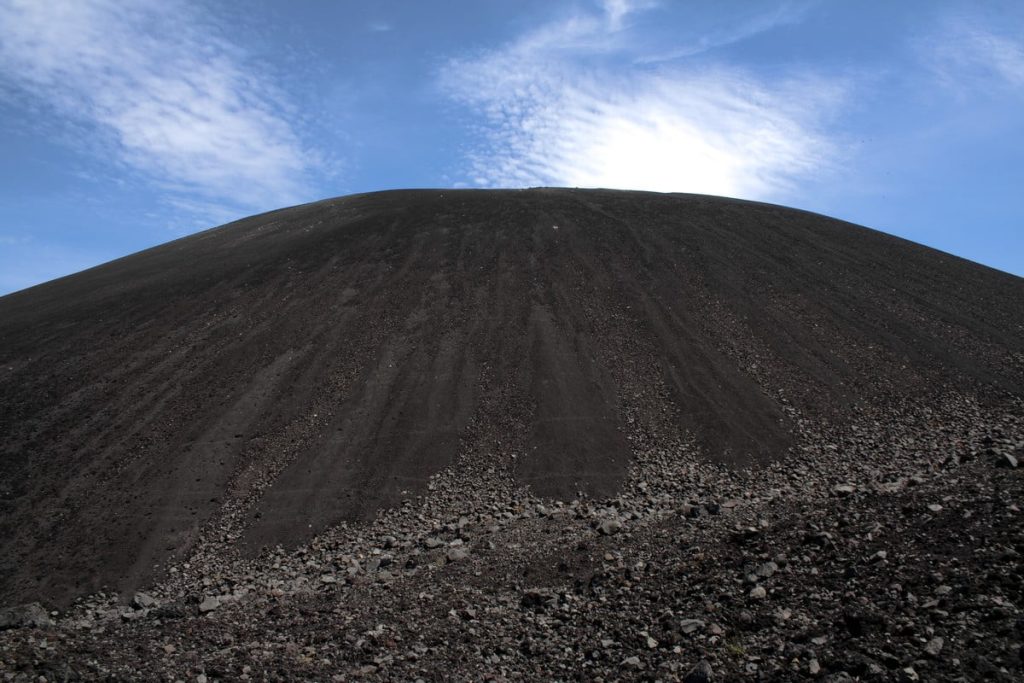
Cerro Negro is one of Nicaragua’s most recent volcanic formations, known for its distinctive black lava flows and cinder cone structure. Located in the northwest part of the country, near the city of León, it stands at an elevation of 728 meters (2,388 feet). The volcano’s name, which means “Black Hill,” reflects the dark-colored volcanic material that covers its slopes.
Recent Eruptions and Volcanic Activity
Cerro Negro has been quite active in recent history, with its first recorded eruption occurring in 1850. Since then, it has had several eruptions, with notable activity in 1992 and 1995. The eruptions of Cerro Negro are typically characterized by explosive events that produce ash clouds and lava flows.
Adventurous Activities
Cerro Negro is famous for its volcano boarding, a unique and thrilling activity where visitors slide down the slopes on specially designed boards. The steep, ash-covered slopes provide an exhilarating experience for adventure seekers. Hiking to the summit also offers panoramic views of the surrounding volcanic landscape and the city of León.
Name
Cerro Negro
Status
Active
Type
Cinder cones
Coordinates
12.506°N, 86.702°W
Last Eruption
1999
Elevation
728 m
Activities
Climbing, Volcano boarding
Difficulty
Momotombo Volcano
Location and Prominence
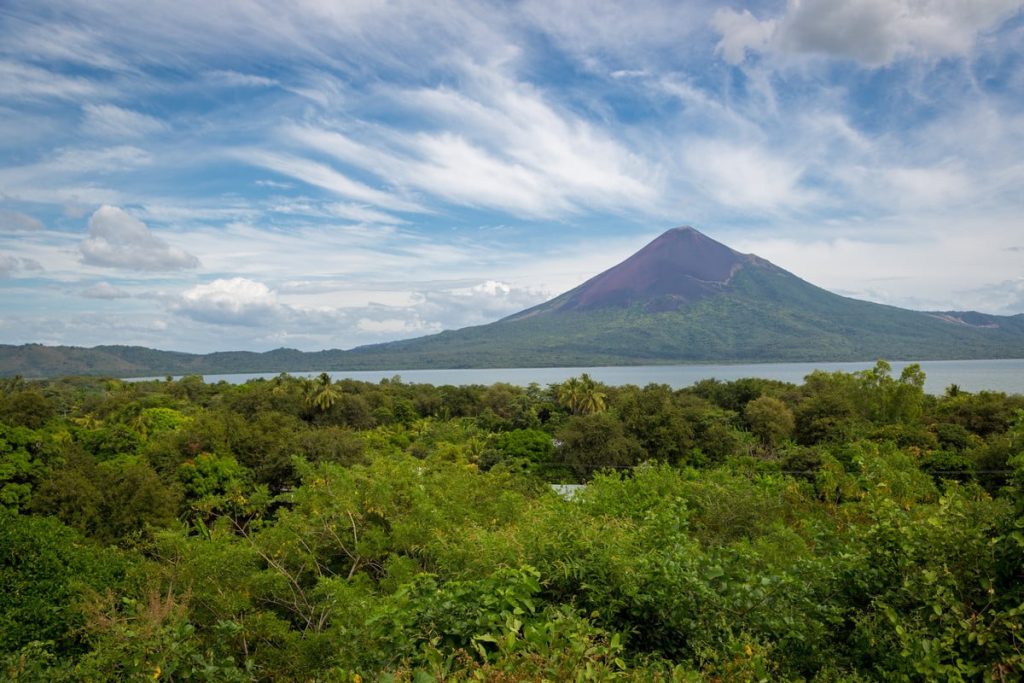
Momotombo Volcano is a notable geological feature located in the western part of Nicaragua, near the city of León. It stands prominently on the shores of Lake Xolotlan (also known as Lake Cocibolca), forming a striking part of the landscape. As a classic stratovolcano, Momotombo is characterized by its symmetrical cone shape and impressive elevation of 1,297 meters (4,255 feet). This elevation, combined with its location overlooking the lake, makes Momotombo a significant and iconic landmark in Nicaragua.
Recent Activity and Eruptions
Momotombo has a history of volcanic activity, with its most recent eruption occurring in 2015. The volcano has experienced several notable eruptions throughout its history, including a major event in 1905 that caused considerable local damage and ashfall. Momotombo’s eruptions have varied from explosive events to less intense lava flows. The volcano’s activity is closely monitored by scientists to understand its behavior and to mitigate potential risks to nearby communities.
Tourism and Hiking Opportunities
Hiking Momotombo Volcano is an adventurous pursuit for those interested in exploring Nicaragua’s volcanic landscapes. The trek to the summit is challenging and requires a high level of fitness, but it offers rewarding views of the surrounding area, including Lake Xolotlan and the city of León. The hike typically takes several hours and involves navigating rugged terrain.
Visitors to the area can also explore the surrounding natural beauty and cultural heritage. The region around Momotombo is known for its rich biodiversity, with opportunities to see various species of flora and fauna. Additionally, the city of León offers cultural attractions, including historical sites and museums that reflect Nicaragua’s history and heritage.
Name
Momotombo Volcano
Status
Active
Type
Stratovolcano
Coordinates
12.423°N, 86.540°W
Last Eruption
1905
Elevation
1,258 m
Activities
Climbing
Difficulty
Maderas Volcano
Introduction to the Volcanic Structure
Maderas Volcano is a stunning stratovolcano located on the island of Ometepe in Lake Cocibolca (Lake Nicaragua), Nicaragua. With an elevation of approximately 1,394 meters (4,573 feet), Maderas is renowned for its lush, verdant landscapes and the serene crater lake nestled at its summit. Unlike many other volcanoes in the region, Maderas remains an iconic symbol of the natural beauty and ecological richness of Nicaragua.
Historical Context
While Maderas is not as famous for explosive eruptions as some of its counterparts, its significance lies in its geological and ecological attributes. The volcano is thought to be less active compared to others in the region, which has allowed it to develop a rich biodiversity. The most significant geological events associated with Maderas are its formation and the ongoing processes of erosion and sedimentation that have shaped its current appearance.
Visiting Maderas
Maderas Volcano is a popular destination for hikers and nature enthusiasts. The trek to the summit is a challenging yet rewarding experience, offering hikers a chance to explore dense tropical forests and diverse wildlife. The trail to the top takes visitors through various ecosystems, including cloud forests and rainforests, providing a glimpse into the rich biodiversity of the region.
At the summit, hikers are greeted by a stunning crater lake, which offers a serene and picturesque view. The lake, surrounded by lush vegetation, provides a tranquil contrast to the rugged terrain of the volcano. The panoramic views from the summit encompass the island of Ometepe and the expansive Lake Cocibolca, making it a breathtaking destination for photographers and nature lovers alike.
The surrounding area of Maderas Volcano is also rich in flora and fauna, with numerous opportunities for birdwatching and wildlife spotting. The volcano’s slopes are home to various species of plants and animals, adding to the allure of the hike.
Name
Maderas Volcano
Status
Dormant
Type
Stratovolcano
Coordinates
11.446°N, 85.515°W
Last Eruption
about 3,000 years ago
Elevation
1,394 m
Activities
Climbing
Difficulty
Apoyeque Volcano
Geological Characteristics
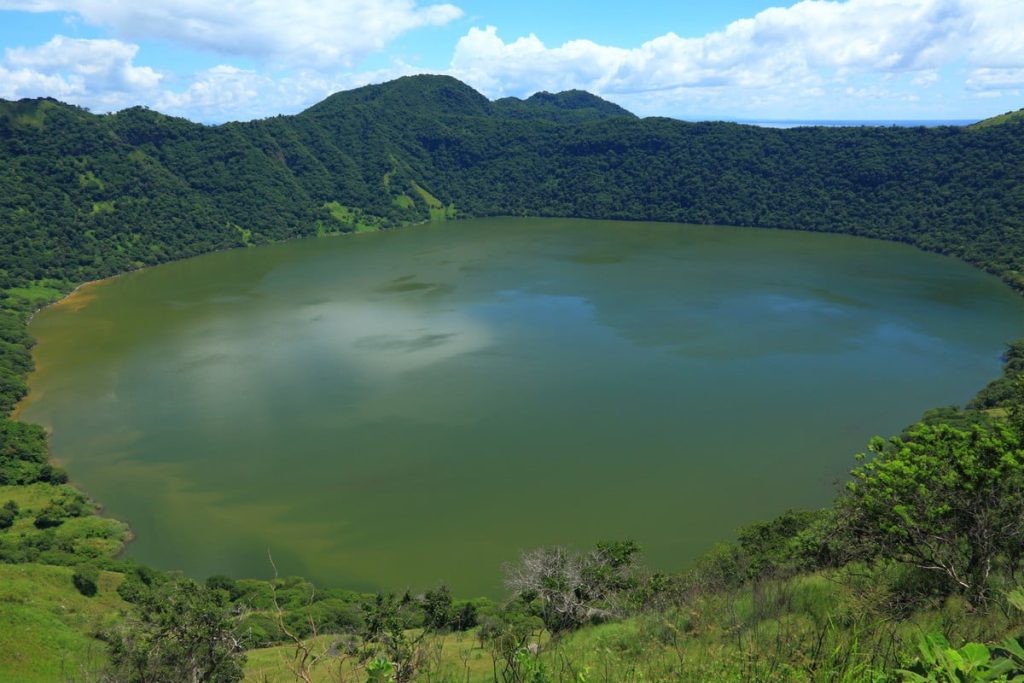
Apoyeque is a large caldera located near the city of Managua. The caldera was formed by a massive volcanic eruption thousands of years ago and is now filled with a lake. The caldera is an impressive geological feature, with steep walls and a serene lake at its center.
Historical Context and Activity
The last known eruption of Apoyeque occurred approximately 4,500 years ago. Since then, the caldera has been dormant, but its formation provides valuable insights into the volcanic history of the region. The lake inside the caldera is a popular spot for local recreation and offers picturesque views.
Activities and Attractions
Visitors to Apoyeque can enjoy scenic hikes around the caldera and take in views of the surrounding landscape. The lake provides opportunities for picnicking and relaxation. The area is also a valuable site for geological study and education.
Name
Apoyeque Volcano
Status
Dormant
Type
Pyroclastic shield
Coordinates
12.242°N, 86.342°W
Last Eruption
about 6400-6800 years ago
Elevation
518 m
Activities
Hiking, swimming
Difficulty
El Hoyo Volcano
Overview of the Volcanic Cone
El Hoyo is a smaller volcanic cone located in the northern part of Nicaragua. The volcano is characterized by its well-defined cone shape and crater. It stands at an elevation of about 1,200 meters (3,937 feet) and is known for its relatively modest size compared to other Nicaraguan volcanoes.
Volcanic Activity
El Hoyo has not been as active as some of Nicaragua’s larger volcanoes, with limited historical eruptions recorded. The volcano’s activity primarily consists of minor eruptions and gas emissions.
Exploration and Tourism
El Hoyo is less frequented by tourists, offering a quieter experience for those interested in exploring lesser-known volcanic sites. The area around the volcano provides opportunities for hiking and enjoying the natural environment.
Name
El Hoyo
Status
Dormant
Type
Volcanic Complex
Coordinates
12.495°N, 86.688°W
Last Eruption
1954
Elevation
1,050 m
Activities
Climbing
Difficulty
Cosigüina Volcano
Overview of the Volcano
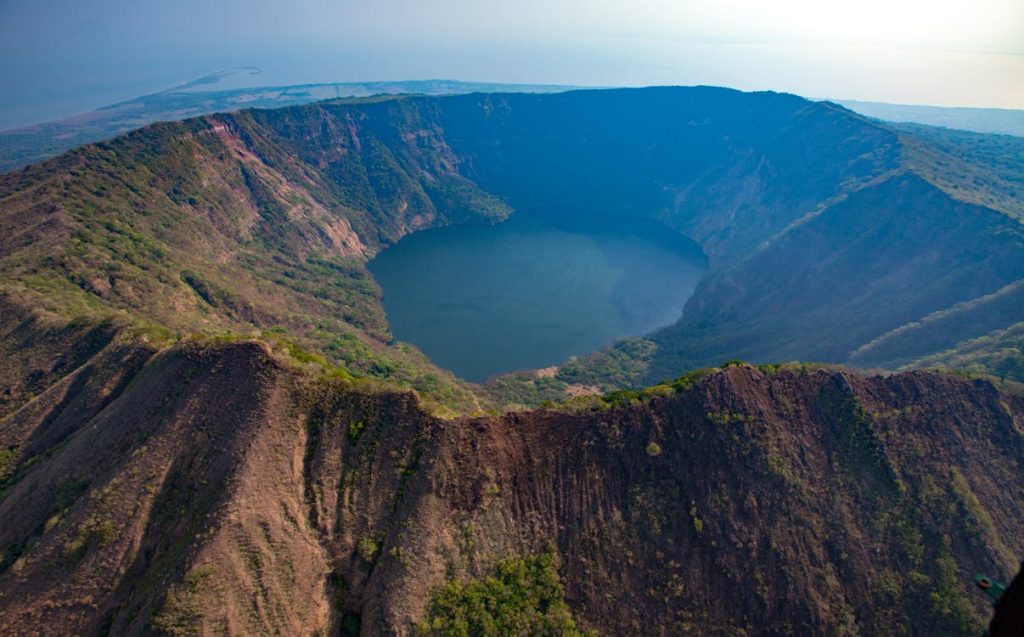
Cosigüina Volcano is located in the northern part of Nicaragua, near the border with Honduras. Standing at approximately 874 meters (2,868 feet) high, it is renowned for its dramatic caldera, which was formed by one of the largest eruptions in Central American history.
Historical Eruptions
The most significant eruption of Cosigüina occurred in 1835, which is considered one of the largest volcanic eruptions in the 19th century. The eruption produced a massive ash cloud that reached as far as the Caribbean and impacted climate patterns. The caldera, which measures about 6 kilometers (3.7 miles) in diameter, is a testament to this historic event.
Visiting Cosigüina
Today, Cosigüina is a popular destination for hikers and those interested in volcanic history. Visitors can hike to the rim of the caldera, where they are rewarded with panoramic views of the surrounding landscape and the large crater lake that has formed. The area around Cosigüina also features diverse flora and fauna, making it a great spot for nature enthusiasts.
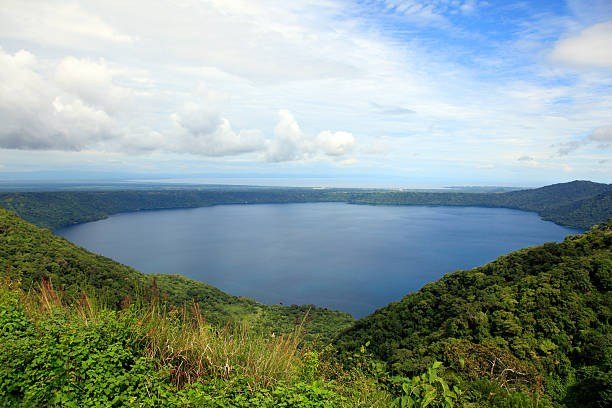
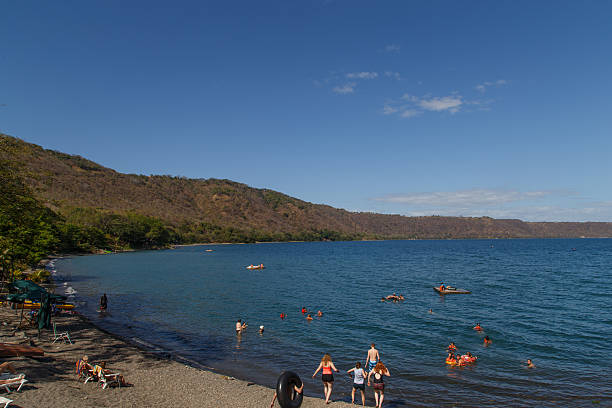
Apoyo Lagoon is a stunning crater lake located in a caldera formed by a volcanic eruption approximately 23,000 years ago. Situated near the city of Managua, it is a popular spot for relaxation and recreation.
Geological Significance
The lagoon is known for its clear blue waters, which are fed by underground springs. The caldera is well-preserved, and the lagoon’s volcanic origin is evident in the surrounding geological formations. The area around Apoyo Lagoon is also known for its lush vegetation and wildlife.
Activities and Attractions
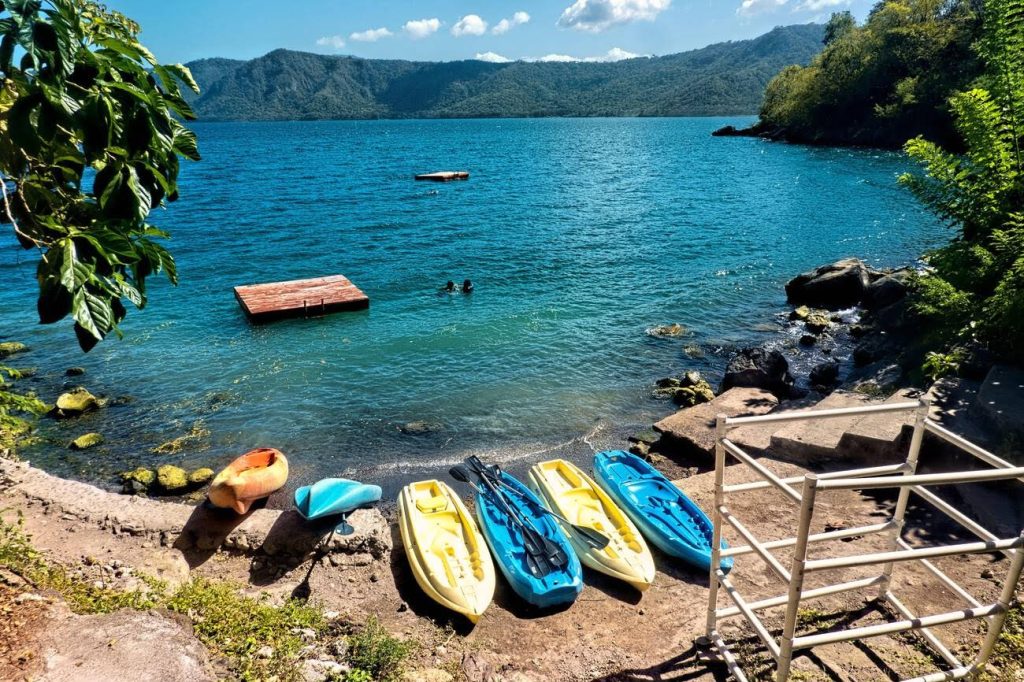
Visitors to Apoyo Lagoon can enjoy a range of activities, including swimming, kayaking, and picnicking. The calm, warm waters make it an ideal place for relaxation and water-based activities. The surrounding forests offer opportunities for hiking and birdwatching.
Conservation Efforts
Efforts are ongoing to protect the lagoon’s environment from pollution and overdevelopment. Local organizations and government agencies work to maintain the ecological balance of the area, ensuring that Apoyo Lagoon remains a pristine and beautiful destination for future generations.
Nicaraguan volcanoes have significantly impacted local communities throughout history. For instance, the eruption of Cosigüina Volcano in 1835 was one of the most devastating in the region, producing an enormous ash cloud that affected weather patterns across the globe. Locally, this eruption led to the destruction of agricultural lands and displacement of residents.
Similarly, the eruption of San Cristóbal Volcano in 2006 resulted in ash falls that disrupted daily life in nearby towns. The volcanic ash covered homes, contaminated water supplies, and posed health risks to residents. In response to these challenges, local authorities and communities have developed robust risk management strategies.
Ongoing Risks and Management Strategies
Managing volcanic risks involves several strategies, including:
Early Warning Systems: Seismographs and other monitoring tools detect volcanic activity and provide early warnings to communities.
Evacuation Plans: Detailed evacuation plans are in place for high-risk areas to ensure timely and orderly evacuations if needed.
Community Education: Public awareness campaigns educate residents about volcanic hazards and safety measures.
Disaster Response Teams: Specialized teams are trained to respond to volcanic emergencies, providing immediate assistance and support.
Environmental Impact
Effects of Volcanic Activity on Local Ecosystems
Volcanic activity has a profound impact on local ecosystems. While eruptions can cause immediate destruction, they also contribute to the creation of diverse habitats. For example, the lava flows and ash deposits from eruptions create new landforms and influence the development of unique plant and animal communities.
Volcanic Soil and Its Benefits for Agriculture
Volcanic soils, enriched with minerals from volcanic ash, are highly fertile and support productive agriculture. These soils are often referred to as andisols and are known for their ability to retain moisture and nutrients. Farmers in volcanic regions benefit from these rich soils, which contribute to the cultivation of crops such as coffee, corn, and beans.
Monitoring and Research
How Nicaraguan Volcanoes Are Monitored
Nicaragua employs various methods to monitor its volcanoes and assess volcanic activity:
Seismographs: Measure ground movements and detect volcanic tremors.
Gas Analyzers: Monitor the release of gases like sulfur dioxide, which can indicate increased volcanic activity.
Satellite Imagery: Provides real-time data on volcanic eruptions, ash clouds, and land deformation.
Field Observations: Scientists conduct regular field visits to observe volcanic activity and collect samples.
Key Research Institutions and Their Roles
Several institutions play a crucial role in volcanic research and monitoring:
Nicaraguan Institute of Territorial Studies (INETER): Responsible for monitoring volcanic activity and issuing warnings.
University of León: Conducts research on volcanic geology and hazards.
National University of Engineering (UNI): Collaborates on technological advancements in volcanic monitoring.
Exploring Nicaraguan Volcanoes
Best Time to Visit
Seasonal Considerations and Weather Conditions
The best time to visit Nicaraguan volcanoes is during the dry season, which runs from November to April. During this period, the weather is generally sunny and clear, making it ideal for hiking and volcano tours. The rainy season, from May to October, can bring heavy rainfall and muddy conditions, which may hinder access to some volcanic sites.
Recommended Times for Volcano Tours and Hikes
For the best experience, plan your visits early in the morning to avoid the heat and crowds. Sunrise tours often provide stunning views and cooler temperatures. Additionally, check for any seasonal weather advisories or volcanic activity updates before planning your trip.
Guided Tours and Safety Tips
Overview of Guided Tour Options
Guided tours are highly recommended for exploring Nicaraguan volcanoes, as they offer:
Expert Knowledge: Guides provide valuable insights into the geology, history, and safety of the volcanic areas.
Safety Measures: Professional guides are trained in emergency procedures and ensure safe navigation through challenging terrain.
Logistical Support: Tours often include transportation, equipment, and refreshments.
Essential Safety Tips for Visiting Active Volcanoes
Follow Guidelines: Adhere to safety guidelines provided by guides and park rangers.
Stay on Marked Trails: Avoid venturing off established paths to reduce the risk of accidents.
Carry Necessary Gear: Bring appropriate footwear, clothing, and gear for hiking and volcanic conditions.
Monitor Volcanic Activity: Stay informed about current volcanic activity and weather conditions.
What to Bring and How to Prepare
Hiking Boots: Essential for navigating volcanic terrain.
Water and Snacks: Keep hydrated and energized during hikes.
Sun Protection: Wear sunscreen, a hat, and sunglasses to protect yourself from the sun.
Camera: Capture the stunning landscapes and volcanic features.
Accommodations and Local Attractions
Recommended Places to Stay Near Major Volcanoes
Accommodation options vary from luxury eco-lodges to budget hostels. Near major volcanoes, consider staying at:
Granada: Offers a range of hotels and guesthouses, with easy access to nearby volcanoes like Mombacho and Apoyo Lagoon.
León: Provides accommodations close to Cerro Negro and Telica, with various options for different budgets.
Managua: Central location with access to Apoyo Lagoon and other nearby volcanic sites.
Additional Attractions and Activities in Volcanic Regions
In addition to volcano tours, explore:
Granada: Known for its colonial architecture and vibrant cultural scene.
Laguna de Apoyo: A beautiful crater lake ideal for swimming and relaxation.
León: Home to historic churches and museums showcasing Nicaraguan culture.
Volcanic Myths and Legends
Local Folklore
Traditional Stories and Legends Associated with Nicaraguan Volcanoes
Nicaraguan volcanoes are steeped in folklore and mythology. For example:
Masaya Volcano: Known as the “Mouth of Hell” in local legends, it is believed that the volcano is a gateway to the underworld.
Mombacho Volcano: Associated with stories of ancient spirits and mystical beings that inhabit the volcano’s forests.
Cultural Significance and Historical Context
These legends reflect the deep cultural connection between Nicaraguans and their volcanic landscape. They play a role in local traditions and festivals, highlighting the importance of volcanoes in Nicaraguan identity and heritage.
Influence on Nicaraguan Art and Culture
How Volcanoes Have Inspired Local Art and Cultural Practices
Nicaraguan volcanoes have been a source of inspiration for local artists and cultural practices. From paintings and sculptures to traditional dances and songs, volcanoes feature prominently in the artistic expression of the region. They symbolize both the beauty and the power of nature, influencing local art and folklore.
Future of Nicaraguan Volcanoes
Predicted Volcanic Activity
What Scientists Predict About Future Volcanic Activity
Scientists continuously study Nicaraguan volcanoes to predict future volcanic activity. Research involves analyzing historical eruption patterns, monitoring current activity, and using geological models. Predictions help prepare for potential eruptions and mitigate risks.
Current Research on Volcanic Forecasting
Advancements in volcanic forecasting include:
Enhanced Monitoring Technologies: Improved sensors and satellite imagery for real-time data.
Geological Surveys: Ongoing research on volcanic structures and magma movement.
Collaboration: International cooperation in volcanic research and disaster preparedness.
Conservation Efforts
Ongoing Conservation Projects and Their Importance
Conservation projects focus on preserving volcanic landscapes and mitigating environmental impacts. Key initiatives include:
Protected Areas: Establishing and maintaining national parks and reserves around volcanoes.
Environmental Education: Raising awareness about the importance of volcanic conservation.
Sustainable Tourism: Promoting eco-friendly practices among visitors and tour operators.
How Visitors Can Support Volcanic Conservation
Visitors can contribute to conservation efforts by:
Respecting Guidelines: Following rules set by park authorities and guides.
Supporting Local Conservation Groups: Donating to or volunteering with organizations focused on preserving volcanic environments.
Reducing Environmental Impact: Minimizing waste and practicing Leave No Trace principles during visits.
Final thought
Nicaragua’s volcanoes are not only awe-inspiring geological features but also integral to the country’s culture, environment, and economy. From their breathtaking landscapes and rich biodiversity to their historical significance and cultural myths, these volcanoes offer a unique and multifaceted experience for visitors.
Final Thoughts on the Significance of Nicaraguan Volcanoes
Understanding and appreciating Nicaraguan volcanoes provide valuable insights into the natural and cultural heritage of the region. By exploring these volcanic wonders responsibly, visitors can contribute to their preservation and enjoy their beauty and significance.
We invite you to share your experiences with Nicaraguan volcanoes in the comments below. Your stories and photos help inspire others to explore and appreciate these incredible natural wonders. Don’t forget to subscribe for more travel and adventure content!
Additional Resources
For more information on Nicaraguan volcanoes, visit:
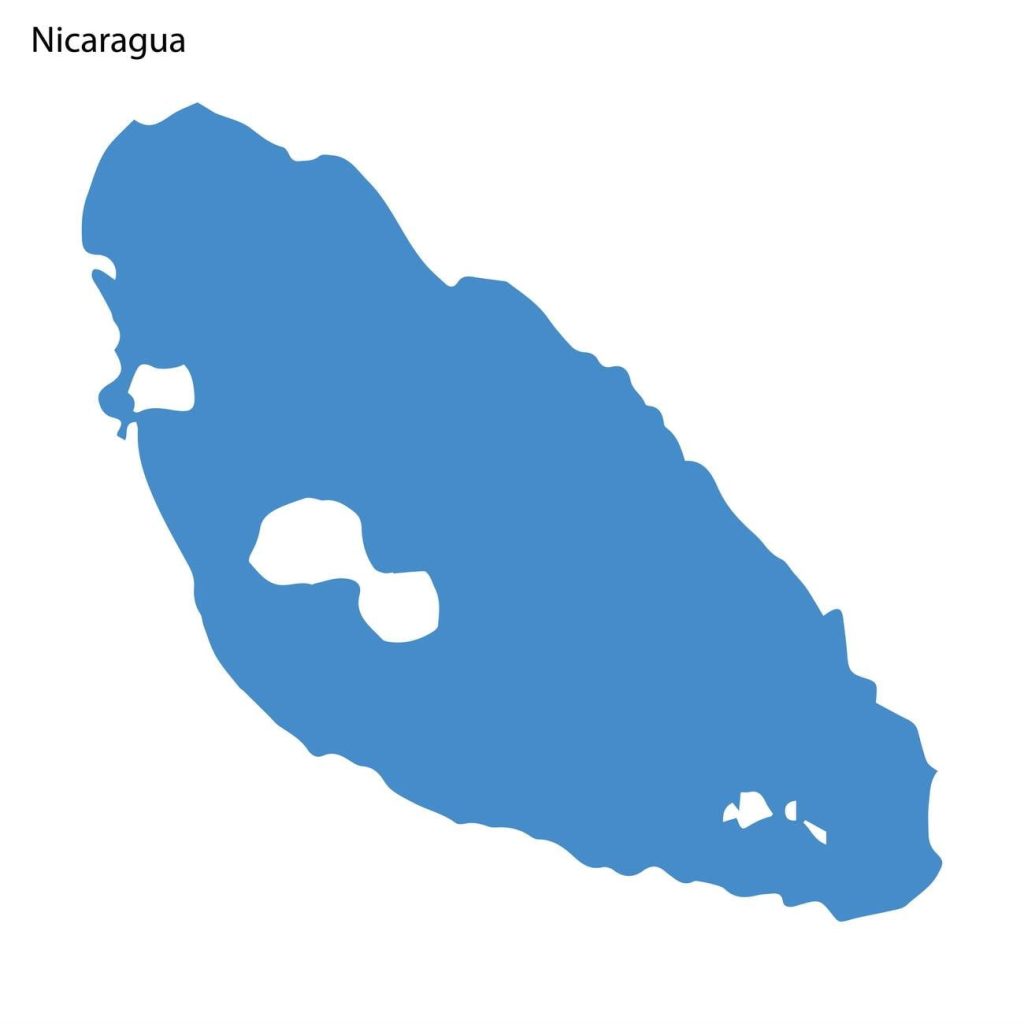
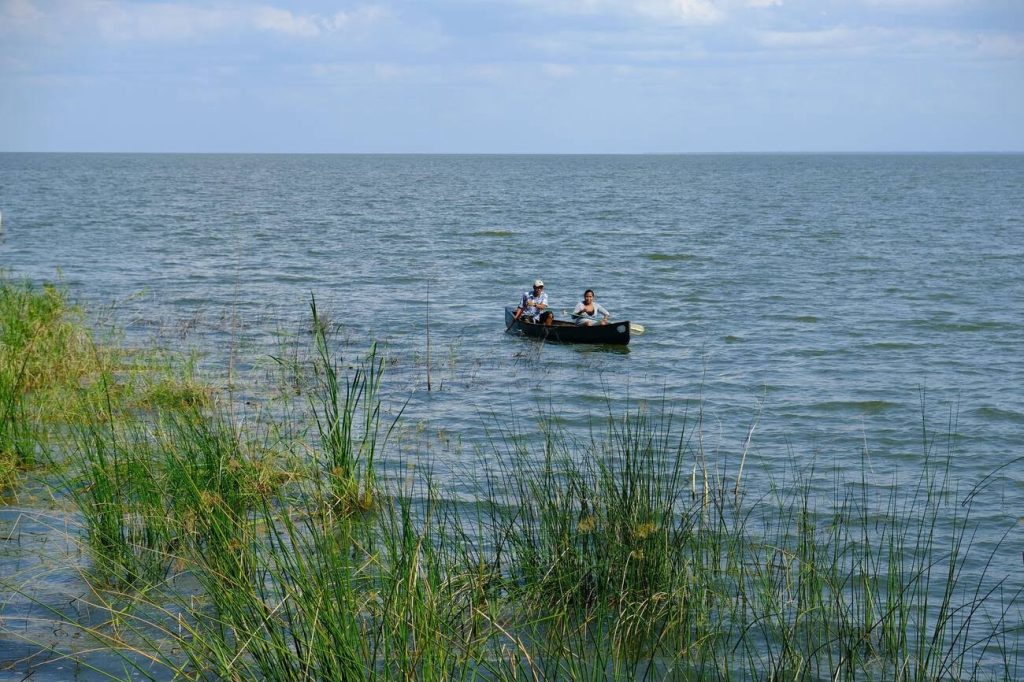
Lake Nicaragua, also known as Cocibolca, is the largest lake in Central America and the 19th largest lake in the world by area. Located in Nicaragua, it spans approximately 108,000 hectares (267,000 acres). This majestic body of water not only holds the title of the largest lake in the region but also serves as a crucial resource for local ecosystems, economies, and cultures.
Importance of Lake Nicaragua
Lake Nicaragua plays a vital role in both environmental and cultural contexts. Environmentally, it supports a diverse range of species, including endemic fish like the Nicaragua shark, which is unique to the lake. Culturally, it influences local traditions, provides livelihoods for many, and is a focal point for tourism and recreation.
Lake Nicaragua is situated in the southwestern part of Nicaragua, bordered by the cities of Granada to the east and Rivas to the west. It stretches approximately 105 kilometers (65 miles) from north to south and about 50 kilometers (31 miles) from east to west. The lake is fed by several rivers, including the San Juan River, which also connects it to the Caribbean Sea.
Geological Formation
Lake Nicaragua is a result of tectonic activity in the region. It was formed by volcanic activity and is situated within a volcanic basin. Over time, sedimentation and erosion have shaped its current form. This geological history is evident in the lake’s diverse shoreline and the surrounding volcanic islands, such as Ometepe Island, which is formed by two volcanic cones.
Biodiversity
Lake Nicaragua is renowned for its rich biodiversity. The lake hosts a variety of wildlife, including:
Fish Species: Over 30 species of fish inhabit the lake, including the freshwater shark (Nicaragua shark) and several endemic species.
Birds: Numerous bird species, such as the great egret and herons, can be seen around the lake.
Reptiles: Various reptiles, including iguanas and turtles, thrive in the lake’s ecosystem.
The unique biodiversity of Lake Nicaragua has led to its designation as an important ecological zone. For more detailed information on the lake’s wildlife, refer to Forbes Centroamérica’s Guide to Lake Nicaragua.
Historical and Cultural Significance
Historical Background
Lake Nicaragua has a rich history that dates back to the pre-Columbian era. Indigenous peoples, including the Nicarao and Chorotega, have lived around the lake for centuries. Spanish explorers, including Francisco Hernández de Córdoba, encountered the lake in the early 16th century. The lake has since been a strategic location for trade and exploration.
Cultural Impact
The cultural significance of Lake Nicaragua extends to various aspects of local life. The lake influences traditional Nicaraguan cuisine, arts, and festivals. For instance, the lake is central to the Granada Festival, which celebrates local culture with music, dance, and food. Additionally, the lake’s islands, such as Ometepe, are steeped in local legends and traditions.
Islets of Granada: A group of small islands in Lake Nicaragua, known for their scenic beauty and historical significance. Popular activities include boat tours and exploring historical sites.
Ometepe Island: Formed by two volcanoes, Ometepe offers hiking, nature tours, and stunning views of the lake. Key attractions include Volcán Concepción and Volcán Maderas.
Outdoor Activities
Lake Nicaragua is a haven for outdoor enthusiasts. Activities include:
Hiking: Trails around Ometepe Island offer various difficulty levels and scenic views.
Water Sports: Enjoy kayaking, paddleboarding, and fishing on the lake.
Bird Watching: Explore the diverse avian species around the lake’s shores.
Local Cuisine and Dining
Local cuisine around Lake Nicaragua features fresh fish, tropical fruits, and traditional Nicaraguan dishes. Popular dining spots include:
Restaurante El Tercer Ojo in Granada, known for its fresh seafood.
La Marisquería in San Jorge, offering a variety of local dishes.
For a full list of dining options, you can consult resources like The Culture Trip.
Environmental Concerns and Conservation Efforts
Current Environmental Issues
Lake Nicaragua faces several environmental challenges:
Pollution: Agricultural runoff and waste have led to water quality issues.
Invasive Species: Non-native species like the water hyacinth threaten local ecosystems.
Conservation Initiatives
Efforts to protect Lake Nicaragua include:
Clean-Up Campaigns: Local organizations are working to reduce pollution and restore water quality.
Protected Areas: Designating areas around the lake as protected zones to conserve wildlife.
The Lake Nicaragua Conservation Project has successfully improved water quality through community engagement and clean-up efforts. Ometepe Island’s Ecotourism initiatives have promoted sustainable tourism while supporting local economies.
Community-Based Tourism
Granada’s Tourism Board has developed programs to ensure that tourism benefits the local community while preserving the lake’s natural beauty. These programs include guided eco-tours and cultural experiences that highlight the region’s heritage.
Additional Resources and Further Reading
For more in-depth information about Lake Nicaragua, refer to the following resources:
By exploring these resources and understanding the diverse aspects of Lake Nicaragua, you’ll gain a comprehensive appreciation of this remarkable body of water.
Conclusion
Summary of Key Points
Lake Nicaragua, with its immense size and ecological diversity, is not just a geographical feature but a vibrant, living entity integral to Nicaragua’s environmental and cultural landscape. Spanning approximately 108,000 hectares, it supports a rich variety of wildlife, influences local cultures, and offers numerous recreational activities. From the volcanic landscapes of Ometepe Island to the charming islets of Granada, Lake Nicaragua captivates visitors and researchers alike.
Final Thoughts
Whether you’re drawn to Lake Nicaragua for its natural beauty, cultural significance, or recreational opportunities, it promises a unique and enriching experience. The lake’s importance extends beyond its scenic allure; it is a crucial part of the region’s ecological balance and a cornerstone of local traditions.
For those planning a visit or wishing to learn more, remember to engage with local conservation efforts and appreciate the intricate relationship between the lake and its surrounding communities.
Lake Nicaragua is more than just a destination—it’s a testament to the natural wonders and cultural heritage of Nicaragua.
Ready to explore Lake Nicaragua? Start planning your trip today and immerse yourself in the beauty and history of this remarkable lake. For more travel tips and detailed guides, visit Culture Trip and Ometepe Nicaragua’s Tourism Information.
Lake Nicaragua awaits your discovery—embrace the adventure and enrich your understanding of this Central American jewel.
FAQs About Lake Nicaragua
What is Lake Nicaragua?
Lake Nicaragua, also known as Lago Cocibolca, is the largest lake in Central America and one of the largest lakes in Latin America. It spans approximately 108,000 hectares and is a key geographical feature in Nicaragua.
Where is Lake Nicaragua located?
Lake Nicaragua is located in southwestern Nicaragua, primarily in the department of Granada. It stretches from the border with Costa Rica to the city of Granada.
What are the main attractions around Lake Nicaragua?
Lake Nicaragua is home to a variety of wildlife, including: Freshwater sharks: Rare species adapted to the lake’s environment. Bull sharks: Migratory species that occasionally enter the lake from the ocean. Birds: Numerous species including herons, egrets, and pelicans.
What are the best activities to do on Lake Nicaragua?
Popular activities on Lake Nicaragua include: Boat tours: Explore the islets and islands. Fishing: Enjoy the lake’s diverse aquatic life. Hiking: Trek around the volcanic regions and enjoy scenic views. Wildlife watching: Observe the lake’s unique fauna.
How does Lake Nicaragua impact local communities?
Lake Nicaragua influences local communities through: Economic activities: Fishing and tourism are vital for local economies. Cultural significance: The lake features prominently in local traditions and folklore. Ecological impact: It supports regional biodiversity and influences local climate patterns.
What conservation efforts are in place for Lake Nicaragua?
Conservation efforts include: Protected areas: Designated national parks and reserves. Environmental education: Programs aimed at promoting sustainable practices. Community involvement: Local initiatives to preserve the lake’s ecosystem.
Can you swim in Lake Nicaragua?
Yes, swimming is possible in Lake Nicaragua, but it is advisable to be cautious of the lake’s aquatic life and varying water conditions.
How does Lake Nicaragua contribute to the region’s climate?
Lake Nicaragua helps moderate the local climate by influencing temperature and precipitation patterns. Its large surface area contributes to local weather regulation.
What is the historical significance of Lake Nicaragua?
Lake Nicaragua has been a vital part of Nicaraguan history, from pre-Columbian times to the present. It played a significant role in indigenous cultures and was a strategic location during historical conflicts.
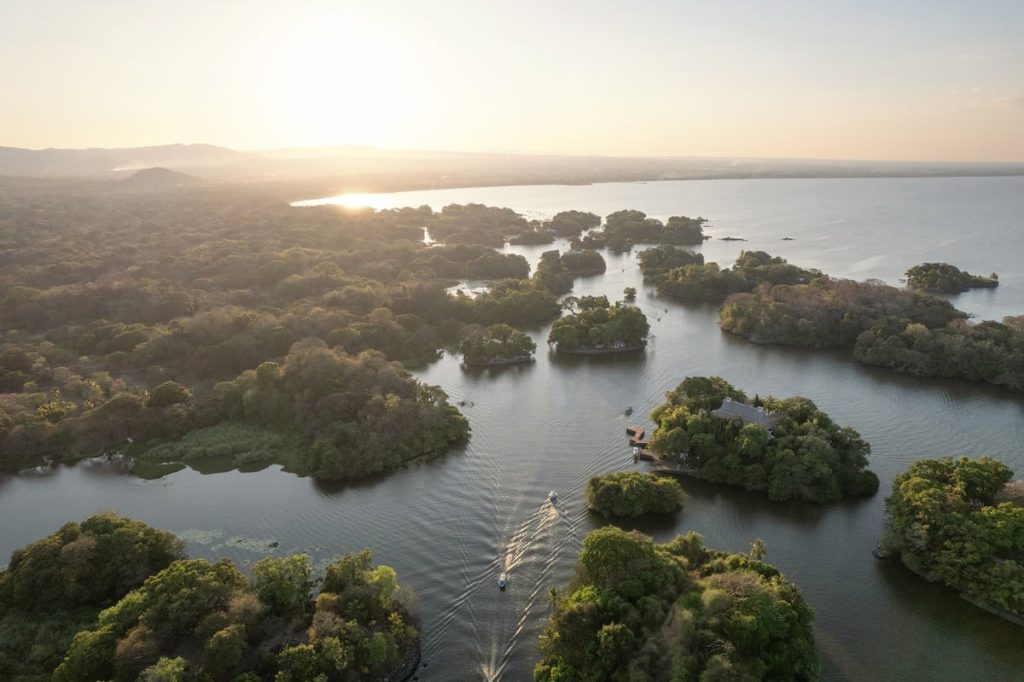
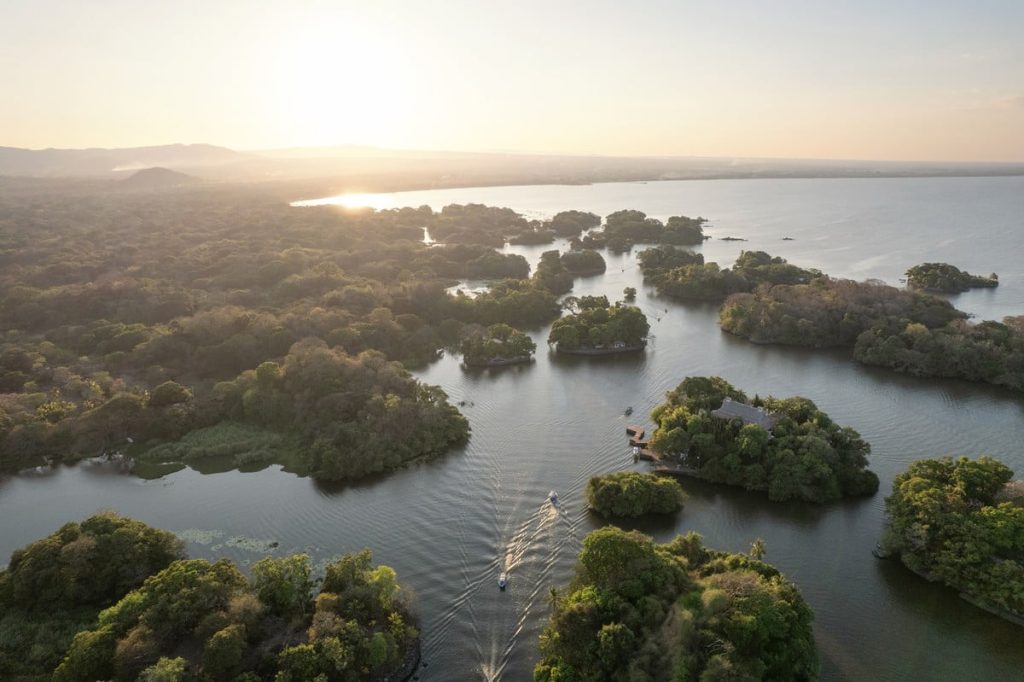
The Isletas de Granada are a cluster of small islands located in Lake Cocibolca, Nicaragua. This captivating archipelago, just a short distance from the city of Granada, offers a serene escape with its stunning landscapes, rich wildlife, and vibrant local culture. In this comprehensive guide, we will explore everything you need to know about these islands, from how to get there to what to do once you arrive.
What Are the Isletas de Granada?
The Isletas de Granada consist of over 360 small islands scattered in the vast expanse of Lake Cocibolca, also known as Lake Nicaragua. These islands, formed by volcanic activity, are a geological marvel that contributes significantly to the region’s natural beauty and ecological diversity.
Historical Background
Historically, the Isletas de Granada hold a unique place in Nicaragua’s heritage. They emerged from volcanic eruptions that shaped the lake’s landscape thousands of years ago. Over time, these islands have been home to various communities and have played a role in local legends and traditions.
The islands are often referred to as the “Galapagos of Nicaragua” due to their rich biodiversity. They have attracted explorers and naturalists alike, who have marveled at their natural beauty and diverse ecosystems.
Significance to Granada and Nicaragua
The Isletas de Granada are not just a natural wonder but also a vital part of Granada’s tourism industry. They offer a tranquil retreat from the bustling city life and provide visitors with opportunities to experience Nicaragua’s natural splendor. The islands are integral to the local economy, supporting various eco-tourism ventures and preserving the region’s natural resources.
For further reading on the Isletas de Granada, you can visit their Wikipedia page or explore detailed reviews on TripAdvisor.
How to Get to the Isletas de Granada
Getting to the Isletas de Granada is relatively straightforward and can be an enjoyable part of your travel experience. Here’s a breakdown of the best ways to reach these picturesque islands:
Travel Options from Granada
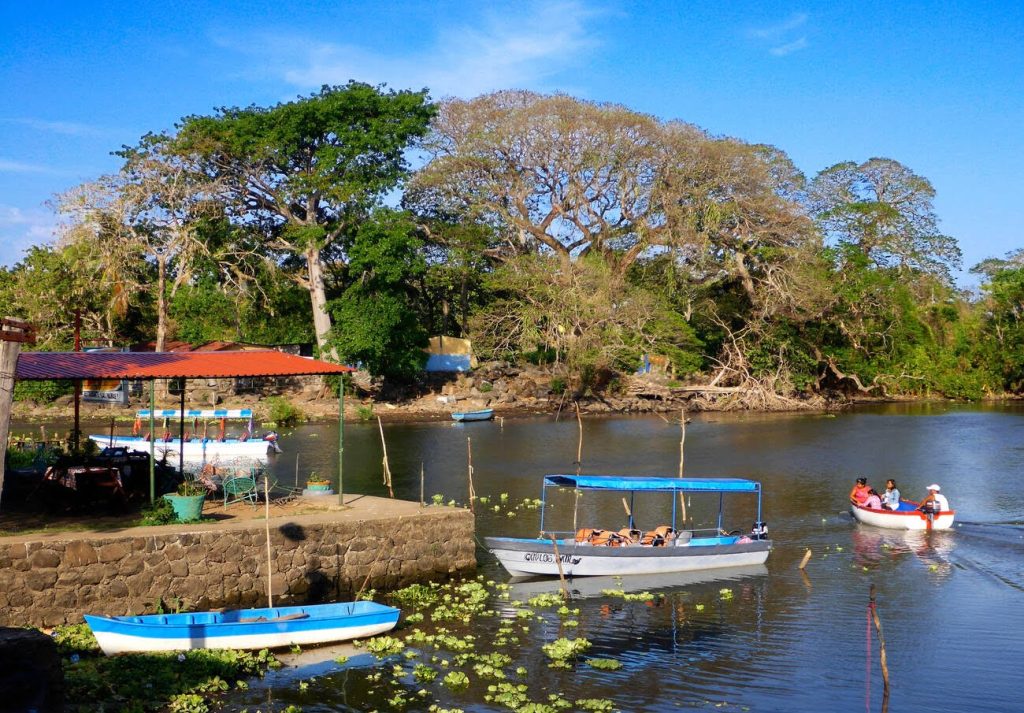
The most common way to reach the Isletas de Granada is by boat. Here’s how you can arrange your trip:
Boat Tours and Private Charters: Numerous tour operators in Granada offer boat tours to the Isletas de Granada. These tours provide a guided experience, including insights into the islands’ ecology and history. Private charters are also available if you prefer a more personalized experience. For a list of options, you can check out GetYourGuide.
Public Transportation and Logistics: If you’re looking for a budget-friendly option, public boats are available. These are typically less expensive but may not offer the same level of comfort or personalization as private tours. Be sure to check schedules and availability in advance.
Best Times to Visit
The timing of your visit can greatly affect your experience. Here’s what you should consider:
Seasonal Weather Patterns: The best time to visit the Isletas de Granada is during the dry season, which runs from November to April. During this period, you can expect pleasant weather with less rain, making boat trips and outdoor activities more enjoyable.
Peak Tourist Seasons: The peak tourist season coincides with the dry season. While this means more tourists, it also means more available tours and activities. If you prefer a quieter experience, consider visiting just before or after the peak season.
Additional Travel Resources
For more detailed information about travel options and planning your visit, you can refer to the Booking.com page which provides insights on accommodation and travel arrangements.
What to Do at the Isletas de Granada
The Isletas de Granada offer a range of activities and experiences, making them a versatile destination for travelers seeking both relaxation and adventure. Here’s what you can expect when you visit these enchanting islands:
Exploring the Islands
Popular Islands to Visit: Some of the most notable islands include Isla Zapatera, which is known for its archaeological remains, and Isla de los Monos (Monkey Island), where you can see playful monkeys in their natural habitat. Each island has its unique charm, from lush vegetation to historical sites.
Activities: Kayaking and paddleboarding are popular activities in the Isletas. These allow you to explore the islands at your own pace and enjoy the serene environment. Boat tours often include stops for swimming and snorkeling, offering a chance to experience the clear waters and vibrant aquatic life.
Wildlife and Nature
Unique Flora and Fauna: The islands are home to a diverse range of species. You might encounter various bird species, such as the magnificent herons and kingfishers. The surrounding waters are also rich in fish, making it a great spot for fishing enthusiasts.
Birdwatching and Nature Photography Tips: Early mornings and late afternoons are the best times for birdwatching. Bring binoculars and a good camera with a zoom lens to capture the stunning wildlife. For nature photography, consider using a drone to get unique aerial shots of the islands and their lush landscapes.
Cultural and Historical Sites
Local Traditions and Festivals: The islands and surrounding areas often celebrate local festivals and traditions. Participating in these events can provide deeper insight into the local culture and heritage. Festivals might include traditional music, dance, and crafts.
Historical Landmarks and Museums: In Granada, you can visit local museums that provide historical context about the Isletas and the broader region. The Museo de la Revolución and Museo de San Francisco offer valuable historical insights that complement your visit to the islands.
For more detailed information on local wildlife and activities, check out the TripAdvisor reviews.
Where to Stay Near the Isletas de Granada
Finding the right accommodation can enhance your experience when visiting the Isletas de Granada. Here’s a guide to help you choose where to stay, whether you prefer lodging directly on the islands or in the nearby city of Granada.
Accommodations on the Islands
Types of Lodging Options Available: A few islands offer eco-lodges and boutique hotels that provide an immersive experience right in the heart of nature. These accommodations often feature comfortable rooms with views of the lake and easy access to boat tours and activities. Popular choices include Jicaro Island Ecolodge, known for its luxury and sustainability, and Isla de Fuego, which offers a more rustic experience.
Pros and Cons of Staying on the Islands:
Pros: Staying on the islands offers immediate access to nature, privacy, and a unique experience away from the city’s hustle. It’s ideal for those who want to fully immerse themselves in the tranquil environment.
Cons: Limited dining and entertainment options may make it less convenient. Additionally, staying on the islands can be more expensive compared to options in Granada.
Hotels and Resorts in Granada
Recommended Hotels and Resorts: Granada, being a larger city, offers a wide range of accommodation options. Some highly recommended places include:
Hotel Colonial: Known for its historic charm and central location.
Granada Boutique Hotel: Offers modern amenities and is well-situated for exploring the city.
Mansion de Chocolate: A unique stay with a chocolate-themed twist.
Tips for Booking and Amenities to Look For: When booking accommodations, consider proximity to the boat docks for easy access to the Isletas. Look for amenities like complimentary breakfast, Wi-Fi, and transportation services. Checking recent guest reviews can also provide insights into the quality and service of the hotel.
For more accommodation options, visit the Booking.com page for the Isletas de Granada.
Local Cuisine and Dining Options
Exploring the culinary landscape around the Isletas de Granada enhances your visit by offering a taste of Nicaraguan flavors and local delicacies. Here’s where to find the best dining experiences both on the islands and in Granada.
Dining on the Isletas
Restaurants and Cafes on the Islands: Dining options on the islands are somewhat limited but can provide unique and charming experiences. For example:
Isla de Fuego: Features a restaurant with views of the lake, offering a variety of local and international dishes.
Jicaro Island Ecolodge: Provides an upscale dining experience with a focus on fresh, local ingredients and a fusion of Nicaraguan and international cuisine.
Popular Dishes and Local Specialties: When dining on the islands, you might encounter dishes such as:
Vigorón: A traditional Nicaraguan dish made with yuca, pork, and a tangy cabbage salad.
Nacatamales: A Nicaraguan take on tamales, filled with meat, rice, and vegetables wrapped in plantain leaves.
Dining in Granada
Top Restaurants and Food Experiences: Granada offers a vibrant food scene with diverse dining options:
Restaurante El Mariscal: Known for its fresh seafood and elegant atmosphere.
La Casita de Gaspar: A cozy spot offering a range of local and international dishes.
Café de las Sonrisas: Offers a unique dining experience with a focus on local coffee and traditional Nicaraguan cuisine.
Culinary Tours and Cooking Classes: For a deeper dive into Nicaraguan cuisine, consider joining a culinary tour or cooking class. These experiences often include visits to local markets, hands-on cooking sessions, and tastings of traditional dishes.
For more detailed recommendations and to explore dining options, you can use resources like TripAdvisor.
Tips for Visiting the Isletas de Granada
To ensure a memorable and enjoyable visit to the Isletas de Granada, consider these practical tips and essential information. Preparing ahead can make your trip more comfortable and rewarding.
Safety and Health Precautions
Vaccinations and Health Tips: While traveling to the Isletas de Granada doesn’t generally require specific vaccinations, it’s wise to be up-to-date on routine vaccines. Malaria is a consideration in some parts of Nicaragua, so consult with a travel health specialist before your trip. Bring insect repellent and stay hydrated to avoid common health issues.
Safety Advice for Water Activities: Always wear a life jacket when participating in water activities such as kayaking or paddleboarding. Check weather conditions before setting out, as sudden storms can occur. It’s also a good idea to choose reputable tour operators who prioritize safety.
Packing Essentials
What to Bring for a Comfortable Visit:
Clothing: Lightweight, breathable clothing is ideal for the warm, tropical climate. Don’t forget swimwear for water activities and a light jacket for cooler evenings.
Footwear: Comfortable shoes are essential for exploring, especially if you plan to hike or walk around the islands.
Sun Protection: Pack sunscreen, sunglasses, and a hat to protect yourself from the sun.
Weather-Specific Gear and Supplies: During the rainy season (May to October), bring a waterproof jacket and quick-dry clothing. A reusable water bottle and a portable charger for your electronics can also be useful.
Additional Resources
For further details on health and safety while traveling in Nicaragua, you can consult the CDC’s travel health website.
How to Make the Most of Your Visit
Maximize your enjoyment of the Isletas de Granada with these tips and recommendations. Whether you’re a nature enthusiast, history buff, or simply seeking relaxation, there’s something for everyone.
Itinerary Suggestions
Day 1: Arrival and Exploration
Morning: Arrive in Granada and check into your accommodation. If you’re staying in the city, start with a visit to the Granada Cathedral and the Central Park for a glimpse of local architecture and culture.
Afternoon: Head to the boat docks and take a tour of the Isletas de Granada. Spend time exploring a few key islands, such as Isla de los Monos, where you can see monkeys up close.
Evening: Enjoy a traditional Nicaraguan dinner at a local restaurant in Granada, such as Restaurante El Mariscal.
Day 2: Activities and Relaxation
Morning: Engage in a kayaking or paddleboarding session around the islands. This is a great way to explore the natural beauty and enjoy the tranquil waters.
Afternoon: Visit Isla Zapatera for a bit of historical exploration. Take a guided tour to learn about the island’s archaeological sites.
Evening: Return to Granada and relax at a local café or enjoy a cultural event, such as a traditional dance performance.
Day 3: Cultural Immersion and Departure
Morning: Take a cooking class or a food tour to dive into Nicaraguan cuisine. Visit a local market to experience the vibrant flavors and ingredients of the region.
Afternoon: Spend your final hours exploring any remaining sites in Granada or relaxing before your departure.
Local Etiquette and Cultural Insights
Respect for Local Customs: When visiting local communities, dress modestly and ask for permission before taking photographs. Showing respect for local customs and traditions enhances your travel experience and fosters positive interactions with residents.
Language Tips: While Spanish is the official language of Nicaragua, many locals in the tourist areas speak some English. Learning a few basic Spanish phrases, such as “por favor” (please) and “gracias” (thank you), can be helpful and appreciated.
Useful Contacts and Emergency Information
Emergency Numbers: In case of emergencies, the local emergency number is 911. It’s also wise to have contact information for your country’s embassy or consulate in Nicaragua.
Tourist Information Centers: Granada has several tourist information centers where you can get maps, brochures, and additional advice on local attractions and services.
For more detailed travel planning, check out resources like Google Maps for navigation and CDC Travel Health for health-related tips.
Conclusion: Why Visit the Isletas de Granada
The Isletas de Granada offer a unique blend of natural beauty, adventure, and cultural experiences that make them a must-visit destination in Nicaragua. Whether you’re drawn to the tranquil waters, vibrant wildlife, or historical sites, these islands provide a memorable escape from everyday life.
Summary of Key Points
Natural Beauty and Wildlife: The Isletas de Granada are renowned for their stunning landscapes and rich biodiversity. From kayaking amidst lush greenery to spotting exotic birds and monkeys, nature enthusiasts will find plenty to marvel at.
Cultural and Historical Significance: The islands are not only a natural wonder but also hold historical and cultural value. Visiting sites like Isla Zapatera allows you to connect with Nicaragua’s rich past and diverse cultural heritage.
Diverse Activities: Whether you prefer relaxing on a boat tour, exploring historical ruins, or enjoying local cuisine, the Isletas de Granada cater to a wide range of interests and activities.
Final Thoughts
A trip to the Isletas de Granada offers a rare opportunity to immerse yourself in both the natural and cultural wonders of Nicaragua. With careful planning and an adventurous spirit, you can make the most of your visit and create lasting memories.
For additional travel planning and resources, you might find the following links helpful:
For those eager to dive deeper into the Isletas de Granada and enhance their travel experience, here are some additional resources and further reading options:
Books and Guides
“Nicaragua: The Land of Lakes and Volcanoes”: A comprehensive travel guide that covers various destinations in Nicaragua, including the Isletas de Granada. It offers insights into local culture, history, and practical travel tips.
“Moon Nicaragua”: This guidebook provides detailed descriptions of attractions, accommodation, and activities, with a section dedicated to the Isletas de Granada.
Travel Blogs and Articles
Nomadic Matt’s Guide to Nicaragua: Offers personal experiences and tips on exploring Nicaragua, including a segment on the Isletas de Granada.
Nicaragua Tourism Board: Provides official information on travel destinations, including the Isletas de Granada, and offers practical advice for visitors.
Granada Tourism: Features detailed information on local attractions, events, and accommodations in Granada and the Isletas de Granada.
Useful Apps and Tools
Google Maps: Essential for navigation and exploring the Isletas de Granada and surrounding areas.
TripIt: Useful for organizing travel itineraries and keeping track of bookings and plans.
By leveraging these resources, you can enrich your trip to the Isletas de Granada, making it both enjoyable and informative.
This concludes our comprehensive guide on the Isletas de Granada. I hope you find this information helpful and that it enhances your travel experience. If you have any more questions or need further assistance, feel free to ask!
Located in the heart of Nicaragua, Volcán Mombacho stands as a majestic sentinel overlooking the region. This active stratovolcano, part of the Mombacho Volcano Natural Reserve, offers a stunning array of natural beauty and adventure opportunities. Whether you’re a seasoned hiker, a nature enthusiast, or simply someone seeking a unique travel experience, Mombacho has something to captivate your interest. From its diverse ecosystems to its panoramic views, this guide will delve into every aspect of visiting Volcán Mombacho, ensuring you make the most of your trip.
What is Volcán Mombacho?
Geographical and Geological Background
Volcán Mombacho is a prominent stratovolcano located in the Granada Department of Nicaragua. It rises to an elevation of 1,344 meters (4,409 feet) and is a prominent feature in the region’s landscape. The volcano is characterized by its lush cloud forest and a caldera that hosts several craters.
Formation and Eruption History
The volcano’s formation dates back to approximately 50,000 years ago. Its most recent significant eruption occurred around 23,000 years ago. Mombacho’s volcanic activity has shaped the surrounding landscape, creating fertile soil that supports diverse flora and fauna. Today, it remains an active volcano, although it has been quiet in recent centuries.
Key Facts:
Elevation: 1,344 meters (4,409 feet)
Type: Stratovolcano
Last Major Eruption: Approximately 23,000 years ago
Volcán Mombacho is situated in the Granada Department of Nicaragua, just a short drive from the city of Granada. Its geographic coordinates are approximately 11.9992° N latitude and 85.9161° W longitude. The volcano is part of the Mombacho Volcano Natural Reserve, a protected area that showcases a diverse range of ecosystems.
50 kilometers (31 miles) from the capital city, Managua.
100 kilometers (62 miles) from the popular beach town of San Juan del Sur.
The proximity to Granada makes it easily accessible for tourists staying in the city. Granada itself is a charming colonial city known for its rich history and vibrant culture, making it an excellent base for exploring the volcano.
Reaching Volcán Mombacho from nearby cities is straightforward, with several transportation options available:
From Granada:
By Car: A drive from Granada to the volcano takes about 30 minutes. Follow the road signs to the Mombacho Volcano Natural Reserve.
By Taxi: Taxis are readily available in Granada. Negotiate the fare beforehand or use a ride-hailing app.
From Managua:
By Car: The drive from Managua to Mombacho takes approximately 1.5 hours. Take the Carretera a Masaya and then head towards Granada before following signs to the reserve.
By Shuttle Service: Several shuttle services operate between Managua and Granada, with options to include stops at Mombacho.
Local Transportation:
Tour Operators: Many local tour operators offer day trips to Mombacho, which typically include transportation, guided tours, and sometimes meals.
Best Routes from Major Cities
Granada to Volcán Mombacho:
Head east on Carretera a Mombacho from Granada.
Follow signs to the entrance of the Mombacho Volcano Natural Reserve.
Managua to Volcán Mombacho:
Take the Carretera a Masaya towards Granada.
Continue to follow the signs to Mombacho Volcano Natural Reserve.
Travel Tip: Renting a car provides flexibility and allows you to explore the scenic routes around the volcano at your own pace.
Volcán Mombacho is renowned for its hiking trails, which offer a range of experiences for outdoor enthusiasts. The cloud forest on the volcano provides a unique ecosystem and diverse flora and fauna.
Crater Trail: This moderate trail takes you around the main crater, offering breathtaking panoramic views of the surrounding area. The trail is about 2.5 kilometers (1.5 miles) and typically takes 1-2 hours to complete.
Sendero de la Llanura: This easier trail is perfect for those who want a leisurely walk while enjoying views of the volcanic landscape and nearby lakes. It’s approximately 1.5 kilometers (1 mile) long and is suitable for all skill levels.
El Chocoyero Trail: For a more challenging hike, the El Chocoyero Trail leads through denser forest and offers opportunities to see unique wildlife. This trail is about 5 kilometers (3 miles) and takes around 3-4 hours.
Trail Difficulty Levels:
Easy: Sendero de la Llanura
Moderate: Crater Trail
Difficult: El Chocoyero Trail
Tips for Hikers:
Wear sturdy hiking boots.
Bring plenty of water and snacks.
Check the weather forecast before heading out.
Wildlife and Flora
The cloud forest of Volcán Mombacho is home to a rich variety of wildlife and plant species. The diverse habitats support numerous bird species, mammals, and insects.
Bird Watching: The reserve is a haven for birdwatchers. Look out for species like the resplendent quetzal, toucans, and various hummingbirds.
Flora: The forest features a range of plant species, including orchids, bromeliads, and giant ferns. The rich vegetation is a result of the high humidity and volcanic soil.
Guided Tours:
Consider joining a guided tour to enhance your experience. Guides can provide detailed information about the local flora and fauna and ensure you don’t miss out on key sights.
The climate at Volcán Mombacho is influenced by its elevation and the surrounding cloud forest. The temperature and weather conditions can vary significantly from the lower elevations to the summit.
Temperature: At the summit, temperatures generally range from 15°C to 20°C (59°F to 68°F) throughout the year. The lower elevations are warmer, with temperatures ranging from 20°C to 30°C (68°F to 86°F).
Rainfall: The region experiences a wet season from May to October, with frequent rain showers. The dry season lasts from November to April, with less frequent precipitation.
Humidity: Due to the cloud forest, humidity levels are high year-round, often exceeding 80%.
Best Time to Visit
Dry Season (November to April): This period offers more stable weather conditions, making it ideal for hiking and outdoor activities. The trails are less muddy, and visibility is generally better.
Wet Season (May to October): While rain is more common, the cloud forest is lush and vibrant during this time. Be prepared for rain showers and potential trail closures due to muddy conditions.
Packing Tips:
Dry Season: Lightweight, breathable clothing, sunscreen, and a hat.
Wet Season: Waterproof gear, including a rain jacket, sturdy hiking boots, and quick-dry clothing.
Staying near Volcán Mombacho offers easy access to the volcano and its surrounding attractions. Here are some accommodation options to consider:
Hotels in Granada:
Hotel Colonial: A historic hotel located in Granada’s city center, offering comfortable rooms and easy access to local attractions.
Casa San Francisco: A boutique hotel with charming decor, a pool, and proximity to Granada’s restaurants and shops.
Eco-Lodges and Cabins:
Mombacho Lodge: Located near the volcano, this eco-lodge provides a unique experience with stunning views and a commitment to sustainability.
Casa de la Abuela: An eco-friendly cabin that offers a more immersive experience in nature, ideal for those seeking tranquility and proximity to the volcano.
Hostels:
Hostel Oasis: A budget-friendly option in Granada with a friendly atmosphere and easy access to local tours and activities.
The Backpacker’s Inn: Offers affordable lodging and is well-situated for exploring Granada and the nearby volcano.
Booking Tips:
Book Early: Accommodations can fill up quickly, especially during peak tourist seasons.
Check Reviews: Use platforms like TripAdvisor and Expedia to read recent reviews and ensure the quality of your stay.
Volcán Mombacho is situated within the Mombacho Volcano Natural Reserve, a protected area that offers a variety of activities and attractions beyond just hiking. Here are some highlights:
Canopy Tours: Experience the thrill of zip-lining through the cloud forest canopy. The tours offer breathtaking views of the volcano and surrounding landscape while providing an adrenaline-pumping adventure.
Orchid Garden: Visit the reserve’s orchid garden, which showcases a diverse collection of native orchid species. The garden provides a unique opportunity to see these delicate flowers up close.
Bird Watching: The reserve is a hotspot for birdwatchers. Look for species like the quetzal, toucans, and various hummingbirds as you explore the trails.
Nearby Attractions
Granada City Tour: Explore Granada’s colonial architecture, vibrant markets, and historical landmarks. Don’t miss the Granada Cathedral and the picturesque Lake Cocibolca.
Islets of Granada: Take a boat tour around the Islets of Granada, a group of small islands in Lake Cocibolca. The islets offer scenic views and opportunities for wildlife spotting.
Laguna de Apoyo:A volcanic crater lake located about 30 kilometers (19 miles) from Granada. The lake is perfect for swimming, kayaking, and enjoying the serene environment.
Recommended Activities:
Canopy Tour at Mombacho: Book a canopy tour to see the cloud forest from a new perspective.
Granada City Exploration: Spend a day in Granada to soak up the local culture and history.
Visit Laguna de Apoyo: Relax by the lake and enjoy various water activities.
Safety and Guidelines for Visiting Volcán Mombacho
Safety Precautions
Visiting Volcán Mombacho requires some basic safety measures to ensure a pleasant and secure experience:
Weather Awareness: Check weather conditions before heading out. The weather on the volcano can change rapidly, so be prepared for sudden rain or temperature drops.
Trail Conditions: Stick to marked trails to avoid getting lost or encountering hazardous terrain. Some trails may become slippery or muddy during rainy periods.
Wildlife Encounters: While wildlife sightings are a highlight, maintain a respectful distance from animals. Avoid feeding or disturbing them.
Health Considerations: Ensure you’re in good health before hiking. The high humidity and altitude can be challenging for some visitors.
Guidelines for Eco-Friendly Travel
To help preserve the natural beauty of Volcán Mombacho and its surrounding environment, follow these eco-friendly guidelines:
Leave No Trace: Take all your trash with you. Use designated bins if available and avoid littering on trails and in the reserve.
Respect Flora and Fauna: Avoid picking plants or disturbing wildlife. Stick to established paths to minimize your impact on the ecosystem.
Stay on Marked Trails: This helps prevent soil erosion and protects delicate vegetation.
Emergency Contact Information
In case of an emergency, it’s essential to have contact information readily available:
Local Emergency Number: Dial 911 for emergency services in Nicaragua.
Park Rangers: Contact park rangers at the Mombacho Volcano Natural Reserve for assistance or to report any issues.
Cultural and Historical Significance of Volcán Mombacho
Historical Background
Volcán Mombacho has a rich history that dates back to ancient times. The volcano is not only a natural landmark but also holds cultural and historical significance for the region.
Indigenous Heritage: The indigenous people of Nicaragua have long revered Mombacho as a sacred site. The volcano is featured in local myths and legends, symbolizing the power and beauty of nature.
Spanish Colonial Era: During the Spanish colonial period, the volcano played a role in the regional history, influencing settlement patterns and agricultural practices. The fertile volcanic soil was ideal for growing crops like coffee and tobacco.
Cultural Significance
Local Traditions: The local communities around Volcán Mombacho celebrate traditional festivals and ceremonies that honor the volcano. These events often include dances, music, and rituals that reflect the cultural heritage of the region.
Economic Impact: Mombacho contributes to the local economy through tourism. Visitors come to explore the natural beauty, hike the trails, and experience the cultural aspects associated with the volcano.
Notable Cultural Events:
Mombacho Festival: An annual festival that celebrates the volcano’s cultural importance with traditional music, dance, and food.
Local Artisan Markets: Markets in nearby Granada often feature crafts and goods inspired by the volcano and its surroundings.
Efforts to conserve Volcán Mombacho and its surrounding natural environment are crucial for preserving the area’s biodiversity and ecological health. Here’s a look at some of the key initiatives:
Protected Area Status: The Mombacho Volcano Natural Reserve is a protected area, which helps safeguard its unique ecosystems and wildlife. This designation ensures that the land is managed in a way that minimizes human impact.
Reforestation Projects: Local organizations and conservation groups are involved in reforestation efforts to restore and maintain the cloud forest. These projects aim to combat deforestation and support biodiversity.
Environmental Education: Educational programs are offered to raise awareness about the importance of conservation. These programs often target local communities and visitors to promote sustainable practices.
Environmental Impact of Tourism
Tourism brings significant benefits to the region but also poses challenges. Understanding the environmental impact helps mitigate negative effects:
Trail Erosion: Heavy foot traffic can lead to erosion and damage to trails. Managing visitor numbers and maintaining trails are essential for minimizing this impact.
Waste Management: Ensuring proper waste disposal is crucial to prevent pollution. Efforts are made to provide waste management solutions in the reserve.
Wildlife Disturbance: Visitors should respect wildlife and follow guidelines to avoid disturbing animals. This helps maintain the natural behavior and health of the local fauna.
How You Can Contribute:
Follow Guidelines: Adhere to park rules and guidelines to help protect the environment.
Support Conservation Efforts: Consider donating to local conservation organizations or participating in volunteer programs.
Practice Eco-Friendly Tourism: Reduce waste, respect wildlife, and stay on designated trails.
Essential Tips for a Memorable Visit to Volcán Mombacho
Preparation and Packing
To ensure a smooth and enjoyable visit to Volcán Mombacho, consider the following preparation and packing tips:
Footwear: Wear sturdy, comfortable hiking boots with good traction. Trails can be muddy and uneven, especially during the wet season.
Clothing: Dress in layers to adjust to changing weather conditions. Lightweight, moisture-wicking clothing is recommended for hiking.
Gear: Bring essentials such as a rain jacket, hat, sunscreen, and insect repellent. A walking stick can be helpful on uneven trails.
Navigating the Trails
Volcán Mombacho offers several hiking trails, each with its own unique features and challenges:
Crater Trail: A popular trail that circles the summit crater, offering panoramic views of the surrounding landscape. This trail is moderate in difficulty and provides a great overview of the volcano.
Puma Trail: A more challenging trail with steeper sections, suitable for more experienced hikers. It offers a closer look at the cloud forest and diverse flora.
Trail Tips:
Stay Hydrated: Carry plenty of water to stay hydrated, especially during strenuous hikes.
Follow Trail Markers: Pay attention to trail markers and signs to ensure you stay on the correct path.
Respect Trail Hours: Some trails may have specific opening hours or require permits. Check with local authorities before setting out.
Local Etiquette and Customs
Respecting local customs and etiquette enhances your experience and fosters positive interactions with the community:
Greetings: A friendly greeting in Spanish, such as “Hola” or “Buenos días,” is appreciated. Learning a few basic phrases can go a long way.
Tipping: Tipping is customary in Nicaragua. Consider tipping guides, drivers, and other service providers as a gesture of appreciation.
The best time to visit Volcán Mombacho is during the dry season, from November to April. During this period, the weather is more stable, with less rainfall and better trail conditions. The dry season also offers clearer views from the summit. The wet season, from May to October, brings lush vegetation and a vibrant cloud forest but can also result in muddy trails and unpredictable weather.
How Difficult Are the Hikes at Volcán Mombacho?
The hikes at Volcán Mombacho vary in difficulty: Crater Trail: This is a moderate hike around the summit crater, suitable for most visitors with a reasonable level of fitness. Puma Trail: A more challenging hike with steeper sections, recommended for experienced hikers. Each trail offers different experiences, so choose one based on your fitness level and hiking experience.
Are There Guided Tours Available?
Yes, guided tours are available for those who prefer a more informative experience. Local guides offer insights into the geology, flora, and fauna of Volcán Mombacho. Tours can be arranged through local tour operators or directly at the visitor center of the Mombacho Volcano Natural Reserve.
What Should I Bring for My Visit?
When visiting Volcán Mombacho, bring: Comfortable hiking boots Rain jacket and layers Sunscreen and hat Insect repellent Water bottle and snacks Camera and binoculars for wildlife viewing
Is It Safe to Visit Volcán Mombacho?
Visiting Volcán Mombacho is generally safe if you follow the park rules and guidelines. Be aware of changing weather conditions and stay on marked trails. It’s also advisable to check for any trail closures or advisories before heading out.
Conclusion: Why Volcán Mombacho Should Be on Your Travel List
Volcán Mombacho stands out as a unique destination that offers a blend of natural beauty, cultural heritage, and outdoor adventure. Its stunning landscapes, diverse ecosystems, and rich history make it a must-visit for nature enthusiasts and adventure seekers alike.
Recap of Key Points
Natural Beauty: From lush cloud forests to volcanic craters, Mombacho provides breathtaking views and diverse wildlife.
Activities: Enjoy hiking trails, canopy tours, and local cultural experiences around the volcano.
Conservation Efforts: Conservation initiatives are crucial in preserving the area’s unique environment and biodiversity.
Practical Tips: Proper preparation, understanding trail difficulties, and following safety guidelines will enhance your visit.
Why You Should Visit
Visiting Volcán Mombacho offers more than just a hike; it’s an opportunity to immerse yourself in the natural and cultural wonders of Nicaragua. The experience combines scenic beauty with enriching activities, all within a well-preserved natural reserve.
Plan Your Trip:
Book a Guided Tour: Enhance your visit with a knowledgeable guide.
Stay Locally: Explore nearby Granada and the surrounding attractions.
Prepare Accordingly: Follow the practical tips to ensure a safe and enjoyable experience.
For more information on planning your visit to Volcán Mombacho, check out these resources:
Volcán Mombacho is not just a destination but an experience that captivates with its natural splendor and cultural richness. Plan your visit to discover the ultimate adventure and natural beauty that awaits in Nicaragua.
Additional Resources and Further Reading
Recommended Books and Articles
For those interested in diving deeper into the natural history and cultural significance of Volcán Mombacho, here are some recommended books and articles:
“Nicaragua: A Guide to the Country” by Jane Mackenzie
This book provides comprehensive information on Nicaragua’s natural and cultural attractions, including Volcán Mombacho.
“Geology and Geothermal Resources of the Mombacho Volcano” – Published in geological journals
Offers detailed scientific insights into the volcanic activity and geothermal features of Mombacho.
“The Ecology of Volcanoes in Central America” – Research articles and publications on volcanic ecosystems
Explores the unique ecological aspects of volcanic regions, including Mombacho.
Online Resources
Nicaragua Tourism Board
Visit Nicaragua provides official travel information and highlights of various attractions, including Volcán Mombacho.
National Geographic
National Geographic often features articles on volcanoes and natural wonders. Search for articles on volcanic regions in Central America.
Local News and Blogs
Check local blogs and news websites for the latest updates and visitor experiences related to Volcán Mombacho.
Join discussions on Reddit’s Travel Communities to gather tips and share experiences about visiting volcanic sites like Mombacho.
Local Contacts and Organizations
Granada Tourism Office
Contact the local tourism office for up-to-date information on tours and activities around Volcán Mombacho.
Mombacho Volcano Natural Reserve
Official Reserve Website for information on visiting hours, trail conditions, and conservation efforts.
Summary
Volcán Mombacho offers a wealth of experiences from stunning natural landscapes to rich cultural insights. By preparing adequately and respecting the environment, visitors can enjoy a safe and enriching journey. Make sure to explore the recommended resources and stay updated with the latest information to fully appreciate all that this remarkable destination has to offer.
Feel free to revisit this guide as you plan your visit to ensure you make the most out of your trip to Volcán Mombacho. Happy travels!
Poneloya is a quaint beach town located on Nicaragua’s picturesque Pacific coast, just a short drive from the vibrant city of León. Known for its tranquil beaches and relaxed vibe, Poneloya offers a refreshing escape from the hustle and bustle of urban life. Historically a small fishing village, it has transformed into a sought-after destination for those looking to enjoy Nicaragua’s natural beauty and local culture.
The name “Poneloya” is derived from the Nahuatl language of the indigenous people, meaning “Place of the Gray Stones,” which refers to the distinctive volcanic rocks found along the shoreline.
Poneloya attracts visitors for a variety of reasons:
Stunning Beaches: Poneloya’s beaches, including the renowned Playa Poneloya, are celebrated for their golden sands and clear waters. These beaches are perfect for swimming, sunbathing, and engaging in beach sports. The gentle waves and breathtaking sunsets provide an idyllic setting for relaxation.
Tranquil Atmosphere: Unlike more crowded tourist destinations, Poneloya offers a serene atmosphere. This peaceful environment is ideal for those seeking a quiet retreat where they can unwind and enjoy the natural surroundings without the usual tourist crowds.
Authentic Cultural Experience: Visitors to Poneloya can immerse themselves in local Nicaraguan culture. From traditional cuisine to local festivals and music, Poneloya provides a genuine cultural experience that offers a glimpse into the region’s way of life.
Proximity to León: Situated close to León, one of Nicaragua’s most culturally rich cities, Poneloya offers the perfect balance between exploring urban attractions and enjoying a coastal escape. This close proximity allows visitors to enjoy both the historical and cultural attractions of León https://nicaraguaguides.com/discovering-leon-nicaragua-history-culture-and-attractions/https://nicaraguaguides.com/discovering-leon-nicaragua-history-culture-and-attractions/and the tranquil beaches of Poneloya.
Reaching Poneloya from Managua, the capital city of Nicaragua, is straightforward and convenient. Here are the main transportation options:
By Car: Driving from Managua to Poneloya takes approximately 1.5 to 2 hours. The route involves heading northwest towards León and following signs to Poneloya. Renting a car provides the flexibility to explore the area at your own pace and is ideal for those who prefer independence during their travels.
By Bus: Several bus companies operate services between Managua and León. From León, you can take a local taxi or shuttle service to Poneloya. Buses are a cost-effective option, though they may take a bit longer and may involve some transfers.
By Taxi: For a more direct and comfortable journey, consider hiring a private taxi. This option is more expensive but offers convenience, especially for groups or those with a higher budget.
Arriving at Poneloya Beach
Upon arrival at Poneloya Beach, you’ll be greeted by a stunning coastal view and a welcoming atmosphere. The beach area is well-maintained, with various facilities available to ensure a pleasant visit. Here’s what to expect:
Local Transportation: Within Poneloya, you can get around using various options:
Bicycles: Renting a bicycle is a popular way to explore the town and enjoy the pleasant sea breeze.
Golf Carts: Local businesses offer golf cart rentals, which can be a fun and practical way to navigate the area.
Walking: Many attractions and amenities are within walking distance, making it easy to explore the town on foot.
Things to Do in Poneloya
Enjoying Poneloya’s Beaches
Poneloya’s beaches are the highlight of the area. Here’s a closer look at what you can enjoy:
Playa Poneloya: The main beach in Poneloya is known for its beautiful golden sands and clear waters. It’s ideal for swimming, sunbathing, and enjoying beach activities. The beach is also a great spot for picnics and watching the sunset.
Playa Las Peñitas: Just a short distance north of Poneloya, Playa Las Peñitas is famous for its strong surf, making it a popular spot for surfing enthusiasts. It’s also a good location for beachcombing and observing local fishermen at work.
Beach Activities: Beyond swimming and sunbathing, Poneloya offers a range of activities:
Beach Volleyball: Join a friendly game of beach volleyball with locals or other tourists.
Surfing: Rent a surfboard and catch some waves at Playa Las Peñitas.
Kayaking: Explore the coastline and nearby mangroves by kayak.
Exploring Local Attractions
Poneloya is not just about its beaches. Here are some attractions to explore:
Volcanic Landscapes: The surrounding area features volcanic rocks and scenic landscapes. Take a hike or a guided tour to see the unique geological formations.
Wildlife Viewing: The region is home to various bird species and marine life. Participate in eco-friendly tours to learn about the local wildlife and natural environment.
Cultural Sites: Visit local landmarks and cultural sites to gain insight into Poneloya’s history and traditions. Explore traditional markets and local festivals to experience the culture firsthand.
Dining and Nightlife in Poneloya
Poneloya offers a variety of dining and nightlife options:
Local Restaurants: Enjoy traditional Nicaraguan cuisine at local restaurants. Popular dishes include:
Gallo Pinto: A traditional dish made with rice and beans.
Ceviche: Fresh seafood marinated in citrus juices.
Casado: A hearty meal of rice, beans, meat, and salad.
Nightlife: While Poneloya is quieter than major cities, you can find a few bars and small clubs where you can enjoy live music and socialize. The nightlife here is more relaxed but provides a great opportunity to mingle with locals and fellow travelers.
Recommendations: For dining and nightlife suggestions, consult local guides and reviews to discover the best spots in Poneloya.
For accommodation options in Poneloya, check out listings on Airbnb and Booking.com.
Where to Stay in Poneloya
Best Hotels and Resorts
When planning your stay in Poneloya, you have several accommodation options ranging from luxurious resorts to charming boutique hotels. Here’s a look at some of the best places to stay:
Hotel Playa Roca: Located right on the beach, Hotel Playa Roca offers stunning ocean views and direct beach access. The hotel features comfortable rooms, a restaurant serving local cuisine, and a pool. It’s ideal for those looking to enjoy a beachfront stay with convenient amenities.
La Joya de Poneloya: This boutique hotel is known for its personalized service and beautiful setting. La Joya de Poneloya offers spacious rooms, a lush garden, and a relaxed atmosphere. The hotel is a short walk from the beach and provides a tranquil retreat.
Hotel Los Balcones: Situated a bit further from the beach, Hotel Los Balcones is a budget-friendly option with clean, comfortable rooms and basic amenities. It’s a good choice for travelers looking for affordability without compromising on comfort.
Price Ranges: Prices for these accommodations vary depending on the season and room type. You can expect to pay between $50 and $150 per night for a mid-range to upscale hotel. For the most current rates and availability, check out Booking.com’s Poneloya listings.
Alternative Lodging Options
If you’re looking for more personalized or unique lodging options, consider these alternatives:
Vacation Rentals: Platforms like Airbnb offer a range of vacation rentals in Poneloya. You can find anything from cozy beachfront cottages to luxurious villas. Vacation rentals often provide more space and amenities, such as full kitchens and private pools.
Hostels and Guesthouses: For budget travelers, local hostels and guesthouses offer affordable lodging options. These are typically more basic but provide a chance to meet fellow travelers and experience local hospitality.
Pros and Cons:
Vacation Rentals: Offer privacy and home-like comforts, but might be more expensive and require advance booking.
Hostels/Guesthouses: Budget-friendly and social, but may have fewer amenities and less privacy.
Activities for Families and Solo Travelers
Family-Friendly Activities in Poneloya
Poneloya is a great destination for families, offering a range of activities suitable for all ages:
Beach Games: Enjoy a day of beach games such as frisbee, beach volleyball, or building sandcastles. The shallow waters of Playa Poneloya are perfect for young children to play safely.
Family-Friendly Tours: Explore local wildlife and natural attractions with guided tours tailored for families. Look for eco-tours that offer educational experiences about the region’s flora and fauna.
Local Markets: Visit local markets to experience Nicaraguan culture and shop for souvenirs. Many markets have food stalls and crafts that are interesting for both adults and children.
Safety Tips:
Always keep an eye on children when they are playing near the water.
Ensure that family accommodations have appropriate safety features and amenities.
Solo Travel Tips for Poneloya
Poneloya is also a welcoming destination for solo travelers. Here’s what you can do:
Explore on Foot: The small size of Poneloya makes it easy to explore on foot. Stroll along the beach, visit local shops, and enjoy the relaxed pace of life.
Join Group Tours: Participate in group tours or activities to meet fellow travelers. Look for local tours that offer insights into the area’s natural and cultural attractions.
Relax and Reflect: Use the tranquil setting to unwind and reflect. Poneloya’s peaceful environment is perfect for solo travelers seeking relaxation and solitude.
Safety Tips:
Always inform someone of your plans and whereabouts.
Keep valuables secure and be aware of your surroundings, especially in less populated areas.
Best Time to Visit Poneloya
Weather and Climate Overview
Poneloya enjoys a tropical climate, which means it has distinct wet and dry seasons:
Dry Season (November to April): This is the best time to visit Poneloya, with sunny weather and minimal rainfall. Temperatures are pleasant, ranging from 75°F to 85°F (24°C to 29°C). It’s ideal for beach activities and exploring the outdoors.
Wet Season (May to October): The wet season brings higher humidity and frequent rain showers. While it’s less crowded and the landscape is lush and green, heavy rains can sometimes disrupt outdoor plans. Temperatures remain warm, around 75°F to 85°F (24°C to 29°C).
Peak Tourist Seasons
Peak Season (December to March): This period sees the highest number of tourists due to the favorable weather. It’s a popular time for vacations, so expect higher prices and more crowded beaches.
Low Season (April to November): Travel during the low season can offer a more peaceful experience and lower prices, but be prepared for occasional rain and humid conditions.
Tip: Booking accommodations in advance during the peak season is recommended to secure the best rates and availability.
Practical Travel Tips for Poneloya
Currency and Payment Options
Currency: The official currency in Nicaragua is the Nicaraguan Córdoba (NIO). However, US dollars are widely accepted in tourist areas. It’s a good idea to carry a small amount of local currency for smaller transactions.
Payment Options: Credit and debit cards are commonly accepted at hotels, restaurants, and larger stores. For smaller establishments and markets, having cash on hand is useful.
Tip: Use ATMs in secure locations, such as banks or well-lit areas, to withdraw cash.
Language and Communication
Language: Spanish is the official language of Nicaragua. While some locals speak English, especially in tourist areas, learning a few basic Spanish phrases can enhance your experience.
Common Phrases:
“Hola” – Hello
“Gracias” – Thank you
“¿Dónde está…?” – Where is…?
Communication Tips: Many locals are friendly and appreciate attempts to speak their language. Translation apps can also be handy for communicating in more complex situations.
Health and Safety Precautions
Vaccinations: It’s advisable to check with your healthcare provider about recommended vaccinations before traveling to Nicaragua. Common vaccines may include those for hepatitis A and B, typhoid, and tetanus.
Safety: Poneloya is generally safe for tourists, but it’s important to take standard precautions:
Avoid walking alone late at night in unfamiliar areas.
Secure your belongings and avoid displaying expensive items.
Familiarize yourself with emergency contact information and local medical facilities.
Poneloya offers a rich cultural experience, rooted in Nicaraguan traditions and local customs. Here’s a look at some of the cultural highlights:
Traditional Festivals: Poneloya and the surrounding areas celebrate several local festivals and cultural events throughout the year. These festivals often feature music, dance, and traditional foods. One notable event is the annual “Fiesta de San Sebastián” in nearby León, which includes parades, music, and traditional Nicaraguan celebrations.
Local Cuisine: Nicaraguan cuisine is a blend of indigenous, Spanish, and Afro-Caribbean influences. In Poneloya, you can savor traditional dishes such as:
Gallo Pinto: A classic Nicaraguan dish made of rice and beans, often served with eggs, cheese, and fried plantains.
Vigorón: A hearty meal consisting of yuca (cassava) topped with a tangy cabbage salad.
Nacatamales: Similar to tamales, these are corn dough filled with meat, vegetables, and spices, wrapped in banana leaves and steamed.
Crafts and Artisans: Local artisans create beautiful handmade crafts, including woven baskets, pottery, and textiles. These items make excellent souvenirs and reflect the vibrant cultural heritage of the region.
Experience Culture: Engage with the local community by visiting markets, attending festivals, and trying traditional dishes. This will provide a deeper understanding of Poneloya’s cultural richness.
Interacting with Locals
Poneloya’s residents are known for their warmth and hospitality. Here’s how you can make the most of your interactions:
Respect Local Customs: Show respect for local customs and traditions. This includes dress codes for religious sites and polite behavior in social interactions.
Learn Basic Spanish: While many locals speak some English, learning basic Spanish phrases can help you communicate more effectively and show respect for the local language.
Support Local Businesses: Contribute to the local economy by supporting small businesses, restaurants, and markets. This helps sustain the community and ensures that your travel benefits the residents.
Community Engagement and Volunteer Opportunities
For those interested in giving back, Poneloya and its surrounding areas offer various volunteer opportunities:
Environmental Conservation: Join local efforts to protect and preserve natural habitats. Activities may include beach clean-ups, wildlife monitoring, and reforestation projects.
Educational Programs: Volunteer with organizations that support education and community development. This could involve teaching English, assisting with local schools, or supporting community programs.
Local Charities: Contribute to or volunteer with local charities that focus on health, education, and community welfare.
Getting Involved: Contact local community organizations or check with your hotel for information on volunteer opportunities and how you can contribute.
Dining and Nightlife in Poneloya
Recommended Restaurants
Poneloya offers a range of dining options that cater to various tastes and budgets. Here are some top recommendations:
La Casa de la Abuela: Known for its traditional Nicaraguan dishes and cozy atmosphere, La Casa de la Abuela is a great place to enjoy a home-cooked meal. The restaurant is famous for its gallo pinto and ceviche.
El Oasis: This beachfront restaurant offers a casual dining experience with a focus on seafood. Enjoy fresh catches of the day while relaxing with a view of the ocean.
Bar & Grill Poneloya: Perfect for a laid-back evening, this spot offers a variety of grilled dishes, burgers, and drinks. The bar has a relaxed vibe and often features live music.
Tip: Make reservations in advance during peak tourist seasons to ensure you get a table at popular dining spots.
Nightlife Options
While Poneloya is more relaxed compared to major cities, there are still enjoyable nightlife options:
Beach Bars: Several beachfront bars offer a relaxed atmosphere where you can enjoy cocktails and local beers while listening to live music. Look for places with outdoor seating and ocean views for a more enjoyable experience.
Local Clubs: For a livelier scene, check out local clubs and bars in León, which is a short drive away. León has a more vibrant nightlife with a variety of music and entertainment options.
Sunset Views: Many bars and restaurants offer stunning views of the sunset. This is a great time to unwind with a drink and enjoy the picturesque scenery.
Safety Tip: Always stay aware of your surroundings and drink responsibly. Use trusted transportation options if traveling back to your accommodation late at night.
Excursions and Day Trips from Poneloya
Exploring Nearby Attractions
Poneloya’s location makes it an excellent base for exploring nearby attractions. Here are some must-visit places:
León City: Just a short drive from Poneloya, León is known for its colonial architecture, historical sites, and vibrant cultural scene. Explore landmarks such as the León Cathedral, the National University of León, and local museums.
Las Peñitas: A neighboring beach town known for its excellent surfing conditions. It’s also a great place for beachcombing and enjoying seafood at local eateries.
Cerro Negro: For adventure enthusiasts, a visit to Cerro Negro, an active volcano near León, offers the chance to try volcano boarding. This unique activity involves sliding down the side of the volcano on a specially designed board.
Masaya Volcano National Park: Located about 1.5 hours from Poneloya, this national park features an active volcano with a visible lava lake. Guided tours provide a fascinating look at volcanic activity and the surrounding landscape.
Tip: Arrange excursions through local tour operators or ask your hotel for recommendations. Guided tours can enhance your experience and provide valuable insights into the attractions.
Tips for Planning Day Trips
Book in Advance: Popular excursions can fill up quickly, especially during peak tourist seasons. Book your tours and activities in advance to secure your spot.
Travel Light: For day trips, pack light and bring essentials such as sunscreen, water, and a camera. Dress appropriately for the activities planned.
Check Weather: Be aware of weather conditions, especially for outdoor excursions. Check forecasts and be prepared for changes in weather.
Useful Links: For additional information on local attractions and activities, visit the TripAdvisor Poneloya page.
Sustainable Tourism in Poneloya
Importance of Sustainable Practices
Sustainable tourism focuses on minimizing the negative impact of travel on the environment, society, and local cultures while maximizing the benefits for the host community. In Poneloya, embracing sustainable tourism practices is crucial due to its delicate coastal ecosystem and the importance of preserving local traditions. Here’s why sustainable tourism matters:
Environmental Protection: Coastal areas like Poneloya face challenges such as erosion, pollution, and loss of biodiversity. Sustainable practices help protect these environments for future generations.
Community Benefits: Responsible tourism supports local businesses and ensures that the economic benefits of tourism are distributed fairly among the community.
Cultural Preservation: By respecting local customs and traditions, travelers contribute to the preservation of cultural heritage and help maintain the authenticity of the destination.
How to Practice Sustainable Tourism
Travelers can adopt several practices to ensure their visit to Poneloya is sustainable:
Reduce Plastic Use: Minimize the use of single-use plastics by bringing reusable items like water bottles, bags, and straws. Many areas are working to reduce plastic waste, and your efforts will contribute to this goal.
Support Eco-Friendly Accommodations: Choose hotels and lodges that implement sustainable practices, such as energy and water conservation, waste reduction, and local sourcing of food. Look for eco-certifications or ask your accommodation about their sustainability practices.
Participate in Conservation Activities: Join local initiatives focused on environmental conservation, such as beach clean-ups or wildlife protection programs. This direct involvement helps make a positive impact on the local environment.
Respect Wildlife: When engaging in wildlife-related activities, follow guidelines to avoid disturbing animals. Maintain a safe distance and avoid feeding wildlife.
Support Local Artisans and Businesses: Buy souvenirs and products made by local artisans rather than mass-produced items. This supports the local economy and helps preserve traditional crafts.
Several operators in Poneloya offer eco-friendly tours and activities that allow you to explore the area while minimizing your environmental footprint:
Eco-Tours: Look for guided tours that focus on environmental education and conservation. These tours often include visits to protected areas, discussions on local ecosystems, and involvement in conservation projects.
Kayaking and Stand-Up Paddleboarding: Engage in water-based activities that have a low environmental impact. Kayaking and paddleboarding offer a peaceful way to explore the coastline and observe marine life.
Organic Farming Tours: Participate in tours of local organic farms to learn about sustainable agriculture practices and enjoy fresh, locally-grown produce.
Eco-Friendly Tour Operators:
Ecotourism Nicaragua: Offers various eco-friendly tours and experiences in Nicaragua.
Green Pathways: Provides sustainable travel options and conservation-focused tours.
Practical Information for Visitors
Transportation Options
Getting around Poneloya and the surrounding areas can be done easy since is a small place you can walk around with no hasle since there is not that much traffic but as a traveler getting there ca be through various transportation options:
Local Buses: Buses are an affordable way to travel between Poneloya and nearby cities like León. They are a common mode of transport and provide a glimpse into local life.
Taxis: Taxis are readily available and can be a convenient way to get around, especially for shorter distances. Always use registered taxis and agree on the fare before starting your journey.
Car Rentals: Renting a car offers flexibility and convenience, especially if you plan to explore nearby attractions. Ensure that you have a valid driver’s license and are familiar with local driving conditions.
Bicycle Rentals: For a more eco-friendly option, consider renting a bicycle to explore Poneloya and its surroundings at your own pace.
Tip: Check with your accommodation for recommendations on reliable transportation options and local rental services.
Health and Safety Considerations
Travel Insurance: It’s advisable to have travel insurance that covers medical emergencies, trip cancellations, and lost belongings. This provides peace of mind and financial protection during your trip.
Health Precautions: Stay updated on any health advisories and follow recommended vaccinations. Carry a basic first-aid kit and any necessary medications.
Emergency Contacts: Familiarize yourself with local emergency contacts and services. Keep a list of important numbers, including the nearest hospital and your country’s embassy.
Poneloya, Nicaragua, offers a unique blend of natural beauty, cultural richness, and tranquil experiences. Whether you’re exploring its picturesque beaches, engaging in sustainable tourism practices, or immersing yourself in local culture, Poneloya provides an unforgettable destination. By planning your trip thoughtfully and embracing responsible travel practices, you can ensure a positive impact on this charming coastal town.
For more detailed information about Poneloya and to plan your visit, refer to the following resources:
Welcome to our exploration of Bosawás Biosphere Reserve, a pristine wilderness nestled in Nicaragua’s northeastern region. This UNESCO World Heritage site is renowned for its unparalleled biodiversity and rich cultural heritage. Join us as we delve into the depths of this natural gem and uncover its ecological wonders and the vibrant traditions of its indigenous communities.
What is Bosawás Biosphere Reserve?
Bosawás Biosphere Reserve, established in 1997, spans over 20,000 square kilometers of lush rainforest and diverse ecosystems. Located in northeastern Nicaragua, it is a critical sanctuary for countless species of flora and fauna, many of which are endemic to the region. The reserve is not only a haven for biodiversity but also a living laboratory for studying tropical rainforest dynamics and conservation strategies.
Ecological Diversity of Bosawás
Bosawás Biosphere Reserve boasts a staggering array of ecological diversity, making it a hotspot for biodiversity enthusiasts and scientists alike. The rainforests here are teeming with life, from towering hardwood trees to elusive big cats and colorful bird species. The reserve’s biodiversity is a result of its unique geographical location, topography, and climate, which provide ideal conditions for a wide range of species to thrive.
Flora of Bosawás
The flora of Bosawás is characterized by dense tropical rainforests dominated by a variety of tree species. These include towering giants like mahogany, cedar, and kapok, which provide essential habitats for numerous animal species. Epiphytes, such as orchids and bromeliads, adorn the canopy, while the forest floor supports a rich understory of ferns, palms, and medicinal plants used by indigenous communities for centuries.
Fauna of Bosawás
The fauna of Bosawás is equally impressive, with an estimated 200 species of mammals, including jaguars, pumas, tapirs, and howler monkeys. Birdwatchers flock to the reserve to spot over 300 species of birds, including toucans, parrots, and the rare harpy eagle. Amphibians and reptiles, such as colorful poison dart frogs and boa constrictors, add to the reserve’s biological diversity.
Importance of Rainforest Ecosystems
Rainforests like Bosawás play a crucial role in global ecology. They act as carbon sinks, absorbing carbon dioxide from the atmosphere and helping mitigate climate change. The dense vegetation regulates local and regional climates, influencing weather patterns and rainfall. Additionally, rainforests provide essential ecosystem services, such as water purification, soil stabilization, and genetic resources for pharmaceuticals and agriculture.
Cultural Significance
Bosawás Biosphere Reserve is not only a biological treasure but also a cultural haven, home to several indigenous communities whose roots in the region span centuries. These communities, including the Miskito, Mayangna, and Ulwa peoples, have developed deep-seated connections to the land and its resources, fostering unique cultural practices and sustainable lifestyles.
Indigenous Communities
Miskito People
The Miskito people are one of the largest indigenous groups in Nicaragua and have inhabited the Bosawás region for generations. They have a deep spiritual connection to the rainforest, viewing it as a source of life and sustenance. Traditionally, they engage in subsistence farming, hunting, and fishing, utilizing traditional knowledge to maintain balance with nature.
Mayangna People
The Mayangna, also known as the Sumu, are another prominent indigenous group in Bosawás. They have a rich cultural heritage characterized by intricate craftsmanship, storytelling traditions, and communal living structures. The Mayangna practice sustainable agriculture known as slash-and-burn farming, rotating their cultivation plots to allow natural regeneration of the forest.
Ulwa People
The Ulwa people are one of the smaller indigenous groups in the region, known for their unique language and cultural practices. They have a profound understanding of medicinal plants and traditional healing methods, which they continue to pass down through oral traditions. The Ulwa’s close relationship with the forest underscores their role as stewards of Bosawás’ natural resources.
Traditional Practices and Knowledge
Indigenous communities in Bosawás possess invaluable traditional knowledge that contributes to conservation efforts and sustainable resource management. They have developed sophisticated methods for navigating and utilizing the rainforest without depleting its resources. From medicinal plant use to spiritual ceremonies honoring forest spirits, these practices highlight the intricate relationship between culture and conservation.
Challenges and Preservation Efforts
Despite their resilience, indigenous communities in Bosawás face numerous challenges, including encroachment on their ancestral lands, resource extraction, and climate change impacts. Conservation organizations and local governments collaborate with these communities to implement sustainable development initiatives, empower local leadership, and protect indigenous rights. These efforts aim to preserve both the cultural heritage and ecological integrity of Bosawás Biosphere Reserve for future generations.
Why Visit Bosawás?
Bosawás Biosphere Reserve offers an unparalleled opportunity for ecotourism and adventure, attracting nature enthusiasts, researchers, and cultural explorers from around the globe. Whether you’re seeking a thrilling jungle trek, wildlife encounters, or a glimpse into indigenous cultures, Bosawás promises a memorable and enriching experience.
Ecotourism Opportunities
Visitors to Bosawás can immerse themselves in the heart of one of Central America’s last remaining rainforests. The reserve offers a variety of ecotourism activities tailored to different interests and fitness levels. From guided nature hikes along pristine trails to birdwatching expeditions in search of rare species, there’s something for every adventurer.
Adventure Experiences
Jungle Trekking
Explore Bosawás’ dense jungles on foot, accompanied by knowledgeable guides who share insights into the region’s flora, fauna, and indigenous traditions. Trekking routes vary in difficulty and duration, offering opportunities to discover hidden waterfalls, natural springs, and ancient trees.
Wildlife Watching
Bosawás is a haven for wildlife enthusiasts, boasting a remarkable diversity of species. Keep your eyes peeled for jaguars prowling through the underbrush, playful spider monkeys swinging overhead, and vibrant bird species flitting through the canopy. Early morning and late afternoon are prime times for spotting elusive creatures.
River Expeditions
Embark on a thrilling river expedition along the winding waterways that crisscross Bosawás. Navigate through pristine ecosystems, passing by lush vegetation and observing aquatic wildlife. River trips provide a unique perspective of the reserve’s landscapes and offer opportunities for swimming, fishing, and encountering local communities.
Cultural Immersion
Indigenous Community Visits
Connect with the Miskito, Mayangna, and Ulwa communities that call Bosawás home. Experience traditional ceremonies, sample local cuisine, and learn about ancient customs passed down through generations. Visiting indigenous villages offers a glimpse into sustainable living practices and the preservation of cultural heritage amidst a rapidly changing world.
Conservation and Sustainable Tourism
Bosawás Biosphere Reserve emphasizes sustainable tourism practices that prioritize environmental conservation and support local communities. By choosing eco-friendly accommodations, participating in community-led tours, and respecting indigenous customs, visitors contribute to the preservation of this fragile ecosystem and ensure its long-term sustainability.
Conservation Efforts
Preserving the ecological integrity of Bosawás Biosphere Reserve is paramount to safeguarding its biodiversity and cultural heritage for future generations. Conservation efforts within the reserve are multifaceted, involving local communities, governmental agencies, non-profit organizations, and international partnerships.
Conservation Projects and Initiatives
Reforestation and Habitat Restoration
Conservation organizations collaborate with local communities to restore degraded habitats and implement reforestation projects. Native tree species are planted to enhance biodiversity, stabilize soils, and create corridors for wildlife movement. These efforts aim to counteract deforestation caused by illegal logging and agricultural expansion.
Wildlife Monitoring and Research
Scientific research plays a crucial role in understanding Bosawás’ diverse ecosystems and informing conservation strategies. Wildlife monitoring programs track population trends of endangered species like jaguars and tapirs, providing valuable data for conservation planning and management.
Community-based Conservation
Empowering local communities as stewards of their natural resources is central to sustainable conservation in Bosawás. Projects focus on building capacity for sustainable agriculture, promoting eco-tourism ventures, and enhancing environmental education. By involving communities in decision-making processes, conservation initiatives gain local support and foster a sense of ownership over natural resource management.
Challenges in Conservation
Deforestation and Land Use Change
One of the primary threats to Bosawás is deforestation driven by agricultural expansion, illegal logging, and land encroachment. Clearing forests for cattle ranching and cash crops jeopardizes wildlife habitats and disrupts crucial ecosystem services provided by rainforests.
Climate Change Impacts
Climate change poses additional challenges to Bosawás’ biodiversity and local communities. Rising temperatures, altered rainfall patterns, and increased frequency of extreme weather events threaten the resilience of rainforest ecosystems and exacerbate existing pressures on vulnerable species.
Sustainable Tourism Practices
Promoting sustainable tourism practices is essential to balancing visitor access with conservation goals in Bosawás. Eco-lodges and tour operators adhere to principles of responsible tourism, such as minimizing waste, supporting local economies, and educating visitors about conservation issues. By integrating tourism with conservation efforts, Bosawás aims to generate economic benefits while preserving its natural and cultural heritage.
Planning Your Visit
Visiting Bosawás Biosphere Reserve requires careful planning to ensure a safe, enjoyable, and environmentally responsible experience. From obtaining permits to selecting eco-friendly accommodations, here’s everything you need to know to make the most of your trip to this natural paradise.
Getting There
Transportation Options
Bosawás is located in northeastern Nicaragua, accessible primarily by road from major cities like Managua and Puerto Cabezas. Travelers can opt for private vehicles, public buses, or guided tours offered by eco-tourism operators. Roads leading to the reserve may be rugged, requiring 4WD vehicles for certain routes.
Permits and Regulations
Before entering Bosawás, visitors must obtain permits from local authorities or designated checkpoints. These permits help manage visitor numbers and ensure compliance with conservation regulations. It’s advisable to apply for permits in advance to avoid delays upon arrival.
Accommodation Options
Eco-Lodges
Choose from a variety of eco-friendly lodges nestled within or near Bosawás Biosphere Reserve. These lodges are designed to minimize environmental impact while providing comfortable accommodations for visitors. Amenities may include solar power, composting toilets, and locally sourced meals.
Camping
For adventurers seeking a closer connection to nature, camping is permitted in designated areas within the reserve. Campers must adhere to leave-no-trace principles, packing out all waste and respecting wildlife habitats. Campfire regulations may apply, depending on local conditions and fire risk.
Packing Essentials
Clothing and Gear
Pack lightweight, moisture-wicking clothing suitable for humid tropical climates. Sturdy hiking boots or shoes with good traction are essential for jungle treks. Don’t forget insect repellent, sunscreen, a wide-brimmed hat, and a waterproof jacket for unexpected rain showers.
Essentials
Bring a refillable water bottle to minimize plastic waste and stay hydrated during outdoor activities. A reliable flashlight or headlamp, binoculars for wildlife spotting, and a camera to capture memorable moments are recommended. Consider packing a basic first aid kit with essentials like bandages, antiseptic, and any personal medications.
Safety Tips
Wildlife Encounters
Respect wildlife from a safe distance and avoid feeding or approaching wild animals. Jaguars and other large mammals are elusive and typically avoid human contact, but caution is advised during hikes and jungle explorations.
Navigation and Communication
Carry a detailed map of Bosawás and a compass or GPS device to navigate trails and remote areas. Cell phone reception may be limited or nonexistent in certain parts of the reserve, so inform others of your travel plans and expected return times.
Supporting Local Communities
Cultural Sensitivity
Interact respectfully with indigenous communities and seek permission before photographing individuals or cultural ceremonies. Purchase handicrafts directly from artisans to support local economies and preserve traditional craftsmanship.
Sustainable Practices
Minimize your environmental footprint by reducing plastic waste, conserving water, and opting for eco-friendly products. Participate in guided tours led by trained local guides who prioritize conservation and provide insights into Bosawás’ natural and cultural heritage.
Tips for Responsible Tourism
Responsible tourism in Bosawás Biosphere Reserve is essential for preserving its fragile ecosystems and supporting local communities. By adopting sustainable practices and respecting indigenous cultures, visitors can contribute to conservation efforts and ensure the long-term sustainability of this pristine wilderness.
Eco-Friendly Practices
Waste Management
Practice leave-no-trace principles by packing out all waste, including biodegradable items like food scraps and toilet paper. Use designated waste disposal facilities or carry waste back to designated collection points outside the reserve.
Water Conservation
Conserve water resources by taking short showers and using water sparingly. Refill reusable water bottles from filtered sources where available and avoid purchasing single-use plastic bottles.
Supporting Local Communities
Cultural Awareness
Learn about the traditions and customs of indigenous communities in Bosawás and show respect for their cultural practices. Participate in guided cultural tours led by community members to gain insights into local traditions and sustainable livelihoods.
Economic Impact
Support local economies by purchasing locally produced crafts, artwork, and agricultural products. Choose accommodations and tour operators that prioritize hiring local staff and investing in community development initiatives.
Environmental Education
Guided Tours and Interpretive Programs
Join guided tours led by trained naturalists and indigenous guides who share knowledge about Bosawás’ biodiversity and conservation challenges. Participate in interpretive programs that highlight the importance of rainforest ecosystems and the role of ecotourism in conservation.
Educational Outreach
Engage in educational activities aimed at raising awareness about environmental conservation among visitors, local communities, and school groups. Volunteer opportunities may be available to assist with research projects or community-based conservation initiatives.
Advocacy and Conservation Support
Volunteer Opportunities
Consider volunteering with conservation organizations working in Bosawás to support reforestation efforts, wildlife monitoring, or community outreach programs. Your time and skills can make a meaningful contribution to conservation initiatives.
Advocacy Efforts
Stay informed about environmental policies and conservation issues affecting Bosawás Biosphere Reserve. Advocate for sustainable tourism practices and policies that prioritize conservation and equitable benefits for local communities.
This comprehensive guide prepares visitors to Bosawás Biosphere Reserve to enjoy a fulfilling and environmentally responsible experience. By embracing sustainable tourism practices, respecting cultural diversity, and supporting conservation efforts, travelers can contribute to the preservation of this extraordinary natural heritage for future generations.
Conclusion
Bosawás Biosphere Reserve stands as a testament to the intricate beauty of nature and the resilience of indigenous cultures. As one of the largest protected areas in Central America, it offers a sanctuary for biodiversity and a glimpse into sustainable living practices that have sustained local communities for centuries.
Importance of Conservation
The conservation of Bosawás is crucial not only for safeguarding its rich biodiversity but also for mitigating climate change impacts and preserving indigenous cultural heritage. By supporting conservation efforts and practicing responsible tourism, visitors play a vital role in ensuring the long-term sustainability of this natural treasure.
Invitation to Explore
We invite you to embark on a journey of discovery in Bosawás Biosphere Reserve. Whether you’re drawn to its lush rainforests, diverse wildlife, or vibrant cultures, Bosawás promises an unforgettable experience that fosters a deeper connection to nature and a greater appreciation for the importance of conservation.
Plan Your Visit Today
Plan your visit to Bosawás with a commitment to responsible travel practices. Choose eco-friendly accommodations, engage respectfully with local communities, and leave a positive impact on this pristine wilderness. Together, we can preserve Bosawás Biosphere Reserve for future generations to cherish and enjoy.
Welcome to Bluefields, Nicaragua—a hidden gem nestled along the Caribbean coast. Known for its rich cultural heritage and stunning natural beauty, Bluefields offers a unique blend of Afro-Caribbean traditions and vibrant local charm. Whether you’re an adventurer seeking pristine beaches or a cultural enthusiast eager to explore diverse traditions, Bluefields promises an unforgettable experience. Join us as we dive into the heart of this captivating destination.
History and Cultural Heritage of Bluefields
History of Bluefields
Bluefields traces its origins back to the early 17th century when it was established as a British trading post. Situated strategically on Nicaragua’s Caribbean coast, the city quickly became a hub for commerce and cultural exchange. Over the centuries, Bluefields evolved into a melting pot of cultures, attracting settlers from Africa, Europe, and indigenous tribes of the region.
Cultural Diversity
The cultural tapestry of Bluefields is rich and diverse, shaped by its Afro-Caribbean roots and the indigenous Miskito heritage. The city’s population predominantly consists of Afro-descendants, including the Garifuna and Creole communities, whose traditions are deeply intertwined with everyday life. Music plays a pivotal role in local culture, with rhythms of reggae, calypso, and traditional Miskito melodies filling the streets during festivals and celebrations.
Local Festivals and Events
One of the highlights of Bluefields’ cultural calendar is the Palo de Mayo festival, celebrated annually in May. This vibrant event blends African rhythms with colorful street parades and dance competitions, offering visitors a glimpse into the city’s lively spirit. Other festivals include cultural showcases and religious ceremonies that reflect the community’s strong ties to its heritage.
Geography and Natural Beauty
Location and Landscape
Bluefields enjoys a picturesque setting along Nicaragua’s Caribbean coast, nestled between lush rainforests and the azure waters of the Caribbean Sea. This coastal city serves as a gateway to the remote islands of the Corn Islands and the expansive Pearl Lagoon Basin, each offering unique ecosystems and opportunities for exploration.
Natural Attractions
The natural beauty of Bluefields extends beyond its coastline, encompassing pristine islands, vibrant coral reefs, and dense mangrove forests. These ecosystems support a wealth of biodiversity, making it a haven for nature enthusiasts and eco-tourists alike. Explore the underwater wonders through snorkeling or diving expeditions, where colorful fish and marine life thrive among coral gardens.
Wildlife and Ecotourism
Bluefields is home to a diverse array of wildlife, both on land and in the sea. Birdwatchers can spot exotic species in the surrounding rainforests, while nature lovers can embark on guided tours to observe sea turtles nesting on secluded beaches. Sustainable tourism practices are encouraged to preserve these natural habitats and support local conservation efforts.
Things to Do in Bluefields
Water Activities
Bluefields offers an array of water activities for adventurers and relaxation seekers alikeVisiting near places like Pearl Laggon or Corn Island to dive into the clear Caribbean waters to explore coral reefs teeming with marine life. Fishing enthusiasts can cast their lines for prized catches, while sailing enthusiasts can cruise along tranquil waters, enjoying panoramic views of the coastline.
Cultural Experiences
Immerse yourself in Bluefields’ vibrant cultural scene by attending local festivals and visiting cultural centers. Learn about the Miskito indigenous heritage at the Museo Yatama or participate in traditional dance performances during festivities. Delve into the city’s history by exploring architectural landmarks and museums that showcase its colonial past and cultural evolution.
Historical Landmarks
Explore Bluefields’ historical landmarks, each telling a story of resilience and adaptation. Visit the Casa de la Cultura, a cultural center that preserves and promotes local traditions through exhibitions and workshops. Wander through neighborhoods adorned with colorful murals depicting scenes from Bluefields’ history and daily life.
Cuisine and Local Delicacies
Traditional Food
Bluefields’ culinary scene is a delightful reflection of its Caribbean heritage, characterized by flavorsome dishes that blend fresh seafood, tropical fruits, and aromatic spices. One of the standout dishes is rondón, a hearty seafood stew simmered with coconut milk, plantains, and cassava. This dish not only satisfies the palate but also highlights the region’s reliance on locally sourced ingredients.
Local Ingredients
The cuisine of Bluefields showcases a bounty of ingredients sourced from both land and sea. Freshly caught fish, such as snapper and lobster, feature prominently in seafood dishes, while staples like coconut, yucca, and plantains add depth and texture to meals. The use of herbs and spices enhances the flavors, creating a culinary experience that resonates with Caribbean authenticity.
Dining Experiences
While exploring Bluefields, visitors can indulge in local delicacies at family-run eateries known as comedores, where home-cooked meals provide a taste of everyday life in the city. Beachfront restaurants offer panoramic views of the Caribbean Sea, allowing diners to savor their meals against a backdrop of gentle waves and stunning sunsets.
Where to Stay in Bluefields
Accommodation Options
Bluefields offers a range of accommodation options to suit every traveler’s preference and budget. From intimate guesthouses nestled in the heart of the city to eco-lodges tucked away in pristine rainforest settings, each lodging choice promises comfort and hospitality.
Eco-Lodges and Sustainability
For eco-conscious travelers, eco-lodges in Bluefields provide a sustainable retreat amidst nature. These lodges prioritize environmental conservation through practices such as rainwater harvesting, solar energy use, and support for local biodiversity initiatives. Staying at an eco-lodge not only minimizes your environmental footprint but also supports community-based tourism efforts.
Beachfront Resorts
Travelers seeking a luxurious stay can opt for beachfront resorts offering modern amenities and breathtaking views of the Caribbean coastline. These resorts cater to guests looking to unwind in style while enjoying easy access to water sports, spa treatments, and gourmet dining experiences.
Best Time to Visit and Practical Tips
Climate
Bluefields experiences a tropical climate characterized by distinct wet and dry seasons. The dry season typically extends from February to April, offering pleasant weather with clear skies and lower humidity levels. This period is ideal for outdoor activities such as hiking, snorkeling, and sightseeing.
During the wet season, from May to November, Bluefields receives regular rainfall, which can affect travel plans and outdoor excursions. However, these months also bring lush green landscapes and fewer tourists, providing a unique perspective of the region’s natural beauty.
Travel Tips
Getting There: Reach Bluefields by domestic flights from Nicaragua’s capital, Managua, or enjoy a scenic boat ride along the Escondido River from coastal towns like El Rama.
Local Customs: Respect local customs and traditions, including dress codes for religious ceremonies and cultural events. Engage with residents respectfully to foster meaningful interactions and enhance your travel experience.
Safety: Exercise caution when exploring Bluefields, especially at night or in remote areas. Stay informed about current safety recommendations and local conditions to ensure a safe and enjoyable visit.
Currency and Payments: The official currency in Nicaragua is the Nicaraguan córdoba (NIO). While some establishments accept major credit cards, it’s advisable to carry cash for small purchases and transactions.
Local Economy and Trade
Economic Activities
Bluefields sustains its economy through diverse economic activities rooted in its natural resources and cultural heritage. Fishing plays a crucial role, providing livelihoods for local communities and supplying fresh seafood to regional markets. Agriculture, including the cultivation of bananas and coconuts, supports rural economies surrounding the city.
Tourism Impact
Tourism contributes significantly to Bluefields’ economy, providing employment opportunities in hospitality, tour operations, and related services. Sustainable tourism practices are increasingly emphasized to preserve the city’s natural environment and cultural heritage while benefiting local residents and businesses.
Artisanal Crafts and Markets
Explore Bluefields’ bustling markets to discover handmade crafts, including intricate wood carvings, woven baskets, and vibrant textiles. These artisanal products reflect local craftsmanship and cultural traditions, making them meaningful souvenirs of your visit.
Conclusion
Bluefields, Nicaragua, captivates travelers with its rich cultural tapestry, breathtaking natural landscapes, and warm Caribbean hospitality. Whether you’re drawn to its vibrant festivals, delectable cuisine, or serene beaches, Bluefields offers a unique blend of experiences that cater to every traveler’s interests.
Plan your journey to Bluefields to immerse yourself in the rhythms of Afro-Caribbean music, explore diverse ecosystems, and connect with a community shaped by centuries of history. Embrace the spirit of adventure and discovery as you uncover the hidden treasures of this enchanting Caribbean destination.
Experience Bluefields Today
Embark on an unforgettable journey to Bluefields, where every moment invites you to explore, indulge, and connect with the essence of Nicaragua’s Caribbean coast. Discover why Bluefields deserves a place on your travel itinerary and create memories that will last a lifetime.
La Laguna de Apoyo, ubicada cerca de Granada, es una maravilla natural que encanta a todos con sus aguas cristalinas y su entorno verde. Formada hace miles de años por el colapso de un cráter volcánico, esta laguna ofrece vistas impresionantes y un ecosistema rico en biodiversidad. En esta guía completa, te contamos sobre su origen geológico, actividades para disfrutar, fauna, esfuerzos de conservación y consejos prácticos para planear tu visita a la Laguna de Apoyo.
¿Qué es la Laguna de Apoyo?
La Laguna de Apoyo es un lago de cráter ubicado en el departamento de Masaya, Nicaragua, a unos 16 kilómetros al noreste de Granada. Forma parte de la Reserva Natural Laguna de Apoyo, creada para proteger sus características geológicas y su variada fauna. La laguna mide aproximadamente 7 km de diámetro y alcanza profundidades de hasta 200 metros, siendo la laguna más profunda de Centroamérica.
Formación Geológica y Ubicación
La Laguna de Apoyo se formó hace más de 23,000 años, cuando una gran erupción volcánica provocó el colapso del cono del Volcán Mombacho. Con el tiempo, esta depresión se llenó de agua de lluvia, creando la laguna de agua dulce que vemos hoy. Su ubicación entre la cadena volcánica de Nicaragua le aporta características únicas, como aguas minerales y ventilas termales.
Importancia del Ecosistema de la Laguna de Apoyo
La laguna y sus bosques albergan una gran diversidad de flora y fauna. Es hábitat de muchas especies de aves como loras, tucanes y colibríes. Bajo el agua, la laguna tiene peces adaptados a su ambiente volcánico, además de plantas acuáticas endémicas.
Actividades para Disfrutar en la Laguna de Apoyo
Nadar y Hacer Snorkel
Las aguas claras y turquesas de la laguna son ideales para nadar y hacer snorkel. Sus aguas tranquilas permiten observar peces y tortugas mientras nadas. Puedes disfrutar en las áreas públicas de la orilla o alquilar equipo de snorkel con operadores locales, quienes también ofrecen tours guiados.
Tip: Busca zonas designadas para snorkel donde el agua es más clara y profunda, y mantén siempre el respeto por la naturaleza mientras exploras.
Masaya, Nicaragua – Apoyo Lagoon view
Kayak y Paddleboard
Explorar la laguna en kayak o paddleboard es una forma tranquila de admirar su belleza. Cerca de la laguna puedes alquilar kayaks y tablas de paddle para principiantes y expertos.
Remar por la orilla te permitirá observar los acantilados volcánicos y la vegetación. Algunas rutas incluyen paradas en playas tranquilas y miradores para disfrutar de las vistas.
Caminatas y Senderismo
La Laguna de Apoyo cuenta con varios senderos para caminatas que rodean la laguna y ofrecen diferentes perspectivas de sus paisajes.
Si buscas aventura, visita el Mirador de Catarina, donde tendrás una vista panorámica de la laguna y los alrededores. Durante la caminata, podrás observar aves y animales propios de la zona.
Observación de Aves
La laguna es ideal para el avistamiento de aves gracias a su diversidad de especies como garzas, martines pescadores y el guardabarranco (ave nacional de Nicaragua).
Mejores horas: temprano en la mañana o al final de la tarde, cuando las aves están más activas. Lleva binoculares y una guía de aves para identificar las especies que encuentres.
Fauna y Ecología
La Laguna de Apoyo cuenta con un ecosistema diverso gracias a su origen volcánico y su bosque seco tropical, lo que la convierte en un paraíso para los amantes de la naturaleza.
Biodiversidad Única
Sus aguas albergan peces como los coloridos cíclidos, adaptados al ambiente volcánico. Además, plantas como lirios acuáticos y vegetación sumergida crean hábitats para muchas especies.
Características Geológicas
Un aspecto único de la laguna son sus ventilas geotermales bajo el agua, que liberan aguas termales y crean microhábitats para especies únicas, afectando la temperatura y los nutrientes del agua.
Esfuerzos de Conservación
Por su importancia ecológica, la Laguna de Apoyo está protegida como reserva natural bajo la ley nicaragüense. Se trabaja para proteger su biodiversidad, manejar de forma sostenible las actividades turísticas y promover la educación ambiental en comunidades locales y visitantes.
Organizaciones y científicos monitorean la calidad del agua, cuidan los hábitats y promueven el turismo responsable.
Planea tu Visita a la Laguna de Apoyo
Mejor Época para Visitar
La mejor época para visitar es durante la temporada seca (noviembre a abril), cuando el clima es más estable y se pueden realizar actividades al aire libre como nadar, hacer snorkel y senderismo.
Hospedaje
Cerca de la Laguna de Apoyo encontrarás opciones que van desde eco-lodges hasta hoteles boutique con vistas a la laguna. Muchos hospedajes ofrecen acceso a senderos y actividades acuáticas, y se enfocan en la sostenibilidad.
Transporte
La Laguna de Apoyo está cerca de Granada, a unos 30 minutos en taxi, carro de alquiler o servicio de shuttle. Es un viaje corto con vistas hermosas del campo nicaragüense.
Si deseas explorar más allá de la laguna, puedes unirte a tours organizados desde Granada.
Conclusión
La Laguna de Apoyo en Nicaragua es un tesoro natural que te permite disfrutar de la belleza de los paisajes volcánicos de Centroamérica. Ya sea para nadar, hacer snorkel, andar en kayak, paddleboard o caminar por sus senderos, la laguna ofrece una experiencia inolvidable.
Como reserva natural, es un ejemplo del compromiso de Nicaragua con la conservación y el turismo sostenible. Planea tu visita y descubre por qué la Laguna de Apoyo es un destino imperdible para los amantes de la naturaleza y la aventura.