Author: Arian

  • Cerro Negro: A Comprehensive Guide to Exploring Nicaragua’s Iconic Volcano

    Cerro Negro: A Comprehensive Guide to Exploring Nicaragua’s Iconic Volcano

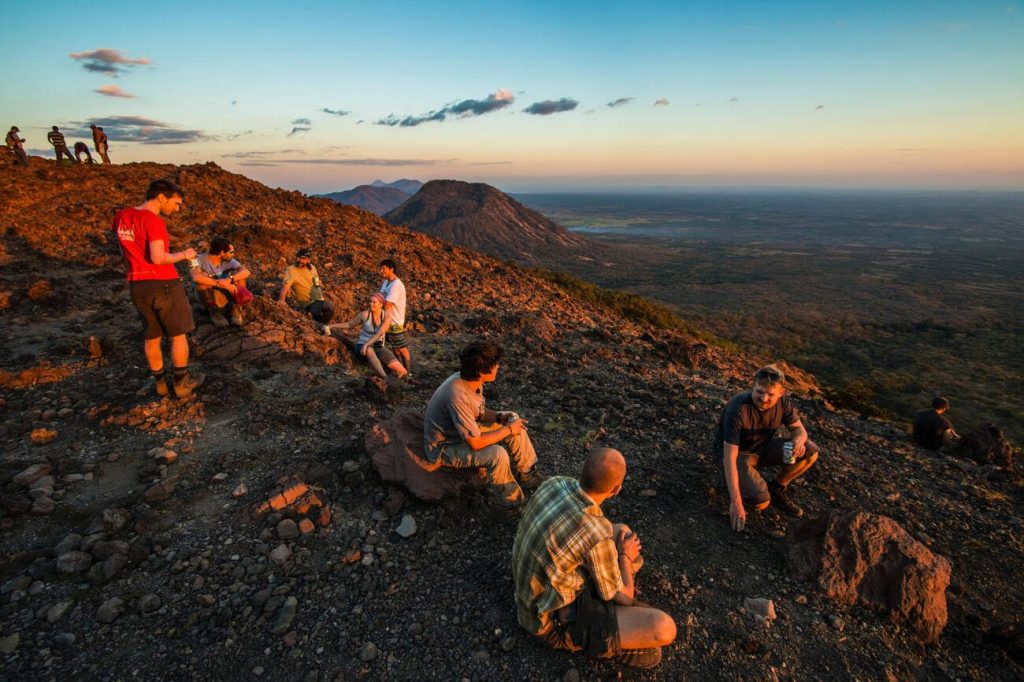
    Cerro Negro, translated as “Black Hill,” stands as a striking testament to Nicaragua’s volcanic landscape. This relatively young volcano, located in the western part of Nicaragua, has captured the fascination of adventurers and nature enthusiasts alike. Rising starkly from the surrounding greenery, Cerro Negro’s unique geological features and thrilling activities make it a must-visit destination for travelers seeking both excitement and natural beauty.

    In this comprehensive guide, we will delve into the history, geography, activities, and cultural significance of Cerro Negro. Whether you’re planning a hike to its summit, intrigued by the idea of volcano boarding, or simply eager to explore its geological wonders, this guide will equip you with everything you need to know for an unforgettable experience.

    Where is Cerro Negro Located?

    Cerro Negro is situated in the Cordillera de los Maribios mountain range in Nicaragua, approximately 25 kilometers northeast of the city of León. Its precise coordinates are [insert coordinates if needed]. This region is known for its volcanic activity, and Cerro Negro is one of the youngest and most active volcanoes in Central America.

    Geographical Location of Cerro Negro

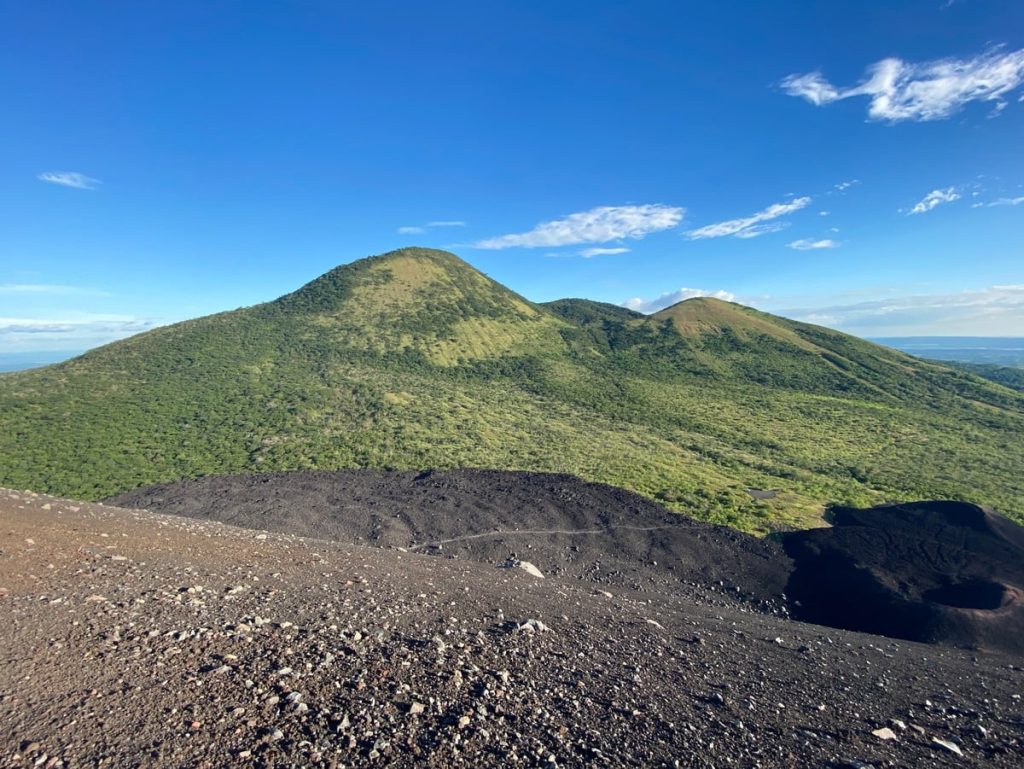
    Cerro Negro is part of the Nicaraguan volcanic arc, which stretches from the Gulf of Fonseca to the Cosigüina Volcano in the northwest. It stands at an elevation of 728 meters above sea level and offers panoramic views of the surrounding volcanic landscape.
    How to Get to Cerro Negro

    Traveling to Cerro Negro typically involves starting from the city of León, which is the nearest major city and a hub for tourism in the region.

    • From León: The most common way to reach Cerro Negro is by hiring a local guide or joining a tour group from León. The journey by car takes approximately 45 minutes to an hour, depending on road conditions.
    • Transportation Options:
      1. Private Transport: Many tour operators and hotels in León offer shuttle services to Cerro Negro. This option provides convenience and flexibility in scheduling.
      2. Public Transport: For budget travelers, public buses also ply the route from León to nearby towns like La Paz Centro or El Sauce, from where you can arrange further transport to the volcano.

    Exploring Cerro Negro begins with reaching its base, where visitors can start their ascent to explore its volcanic wonders and enjoy thrilling activities like volcano boarding.

    What to Expect When Visiting Cerro Negro?

    Cerro Negro offers a unique experience for adventurers and nature lovers alike. Here’s what you can expect when planning a visit to this iconic volcano:

    Climbing Cerro Negro

    Climbing Cerro Negro is a memorable adventure but requires some preparation due to its steep slopes and volcanic terrain:

    • Difficulty Level: The ascent to Cerro Negro is moderate to challenging, depending on your fitness level and hiking experience. The trail can be steep and rocky in parts, requiring sturdy footwear and adequate physical fitness.
    • Hiking Tips:
      1. Start early in the day to avoid the heat and crowds, especially during peak tourist seasons.
      2. Carry plenty of water and snacks, as there are limited facilities along the trail.
      3. Follow the guidance of local guides or tour operators for a safe and enjoyable hike.
    Safety Precautions and Gear Needed

    Safety is paramount when exploring Cerro Negro due to its volcanic nature and unpredictable weather conditions:

    • Clothing and Equipment:
      1. Wear comfortable hiking clothes suitable for rugged terrain and varying temperatures.
      2. Sturdy hiking boots with good ankle support are recommended.
      3. Pack a lightweight rain jacket or windbreaker, as weather conditions can change rapidly.
      4. Sunscreen, sunglasses, and a hat are essential for sun protection.
    • Additional Safety Tips:
      1. Stay on designated trails and follow any instructions from local guides or park rangers.
      2. Be aware of volcanic activity alerts and adhere to any safety restrictions in place.
      3. Carry a basic first aid kit and emergency contacts in case of any unforeseen incidents.

    Exploring Cerro Negro is not just about conquering its summit but also about immersing yourself in its raw natural beauty and geological wonders. Whether you’re hiking solo or with a group, being prepared ensures a safe and enjoyable experience amidst Nicaragua’s volcanic landscape.

    Next, I’ll proceed with the section on the geology of Cerro Negro. Please let me know if there are any specific aspects you would like to include or if there’s anything else you’d like to emphasize!

    The Geology of Cerro Negro

    Cerro Negro’s geological features make it a fascinating destination for geologists and visitors interested in volcanic landscapes:

    Formation of Cerro Negro

    Cerro Negro is a relatively young volcano, having emerged in 1850 and since then becoming one of the most active in Nicaragua:

    • Volcanic History and Eruptions: Cerro Negro has erupted multiple times since its formation, with notable eruptions in 1867, 1968, and more recent activity in the 1990s. These eruptions have contributed to its distinctive appearance and the surrounding volcanic landscape.

    Unique Geological Features

    Cerro Negro’s volcanic composition and ongoing activity create unique features that attract scientists and adventurers alike:

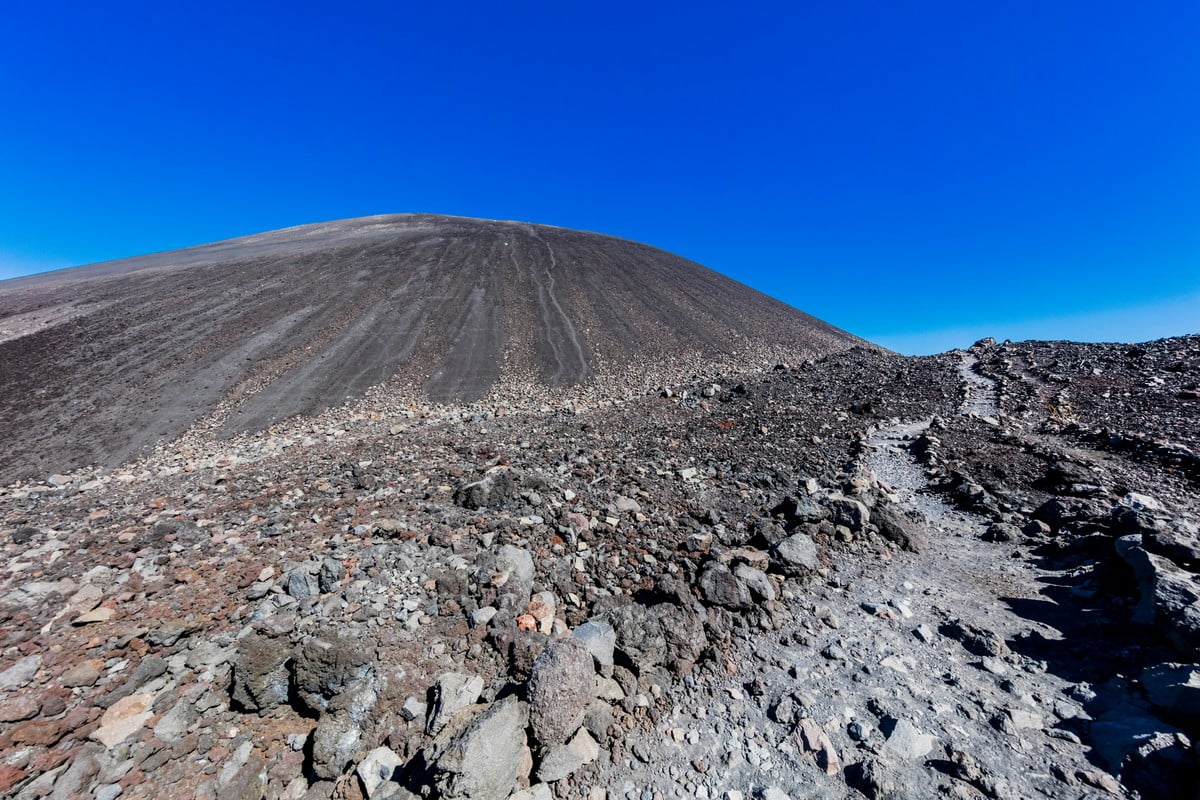
    • Volcanic Ash and Black Sand: The volcano is known for its black volcanic ash and sand, contrasting starkly with the lush greenery of the surrounding landscape. These volcanic materials are a result of recent eruptions and offer a glimpse into the volcano’s active geological processes.
    • Crater and Vent Structure: At the summit, visitors can observe the crater and vent structures typical of stratovolcanoes. These features provide insights into Cerro Negro’s internal volcanic activity and the dynamics of its eruptions over time.

    Best Time to Visit Cerro Negro

    Choosing the right time to visit Cerro Negro can significantly enhance your experience and ensure favorable weather conditions:

    Cerro Negro experiences a tropical climate typical of Nicaragua’s Pacific region, characterized by distinct wet and dry seasons:

    • Dry Season (November to April): This period generally offers the best weather conditions for hiking and exploring Cerro Negro. Expect sunny days with lower chances of rainfall, making it ideal for outdoor activities like hiking and volcano boarding.
    • Wet Season (May to October): The wet season brings higher humidity and frequent afternoon showers or thunderstorms. Trails can become muddy and slippery, posing challenges for hiking. However, the lush greenery and fewer tourists during this time may appeal to some travelers.

    Peak Tourist Seasons and Off-Peak Recommendations

    Planning your visit to Cerro Negro around weather patterns and tourist seasons ensures you make the most of your time exploring this iconic volcano and its surroundings.

    • Peak Tourist Seasons: The dry season, especially from December to February and around Easter (Semana Santa), sees an influx of tourists visiting Cerro Negro. It’s advisable to book accommodations and tours in advance during these peak periods.
    • Off-Peak Recommendations: Consider visiting during the shoulder seasons of November and March or the early part of the wet season (May and June). These times offer a balance of favorable weather and fewer crowds, allowing for a more relaxed and immersive experience.

    Activities and Attractions Around Cerro Negro

    Cerro Negro offers an array of activities and attractions that cater to different interests and adventurous spirits:

    Volcano Boarding Experience

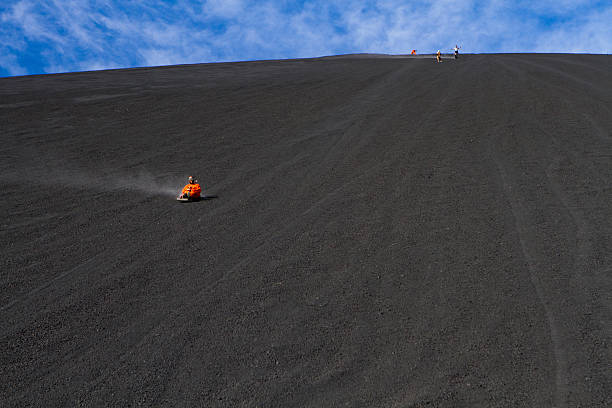
    One of the most thrilling and unique activities at Cerro Negro is volcano boarding, an exhilarating downhill descent on a specially designed board:

    • Details on Volcano Boarding:
      1. Equipment and Preparation: Participants typically begin the adventure by gearing up with protective jumpsuits, goggles, and gloves provided by tour operators. These items protect against volcanic ash and ensure a safe descent.
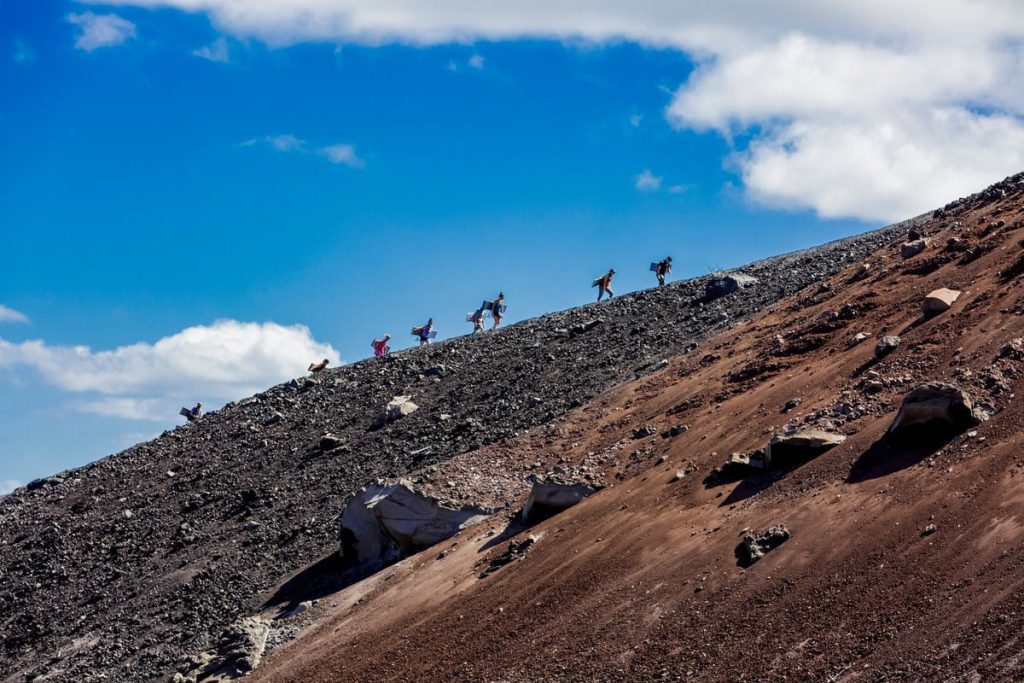
      2. The Descent: After hiking to the summit of Cerro Negro, adventurers are treated to panoramic views of Nicaragua’s volcanic landscape. Then, they mount their boards and prepare for a thrilling ride down the steep slopes of volcanic ash.
      3. Speed and Thrills: Volcano boarding is known for its adrenaline-pumping speeds, with participants often reaching velocities up to 50 miles per hour. The unique terrain and smooth volcanic ash allow for a fast and exciting ride that’s unlike any other.
      4. Experience Levels: While exhilarating, volcano boarding is accessible to people of various experience levels, as instructors provide thorough safety briefings and guidance throughout the activity.
      5. Environmental Impact: Tour operators emphasize responsible practices to minimize environmental impact, ensuring the preservation of Cerro Negro’s natural beauty for future generations.

    Wildlife and Nature Sightings

    Despite its volcanic terrain, Cerro Negro hosts a surprising diversity of flora and fauna:

    • Biodiversity Around Cerro Negro:
      1. Look out for unique plant species adapted to volcanic soils, such as ferns and mosses.
      2. Birdwatchers may spot species like the turquoise-browed motmot or the white-throated magpie-jay in the surrounding forests.
      3. Wildlife enthusiasts might encounter lizards, insects, and occasionally small mammals adapted to the volcanic ecosystem.

    Nearby Attractions and Day Trips

    Exploring Cerro Negro can be combined with visits to nearby attractions and cultural experiences:

    • Nearby Towns: Consider visiting the colonial city of León, known for its historic architecture and vibrant culture. It’s a hub for arts, music, and culinary delights influenced by its rich history.
    • Beach Escapes: Nicaragua’s Pacific coast offers beautiful beaches such as Las Peñitas or Poneloya, perfect for relaxing after adventurous activities at Cerro Negro.
    • Cultural Experiences: Learn about Nicaragua’s indigenous cultures and traditions through visits to local communities near Cerro Negro, offering insights into their way of life and cultural heritage.

    Cultural Significance of Cerro Negro

    Cerro Negro holds cultural significance beyond its geological allure, playing a role in local folklore and community life:

    Indigenous Perspectives and Local Folklore

    • Local Legends: Indigenous communities in Nicaragua have long held beliefs and stories about the volcanoes in their midst. Cerro Negro, with its black volcanic sands and periodic eruptions, features prominently in these tales.
    • Spiritual Significance: Some indigenous groups consider volcanoes like Cerro Negro as sacred sites, believing they are inhabited by spirits or deities that influence the land and its people.

    Impact of Cerro Negro on Local Communities and Economy

    • Tourism and Livelihoods: The presence of Cerro Negro has contributed to the local economy through tourism, providing opportunities for employment in guiding, hospitality, and related services.
    • Cultural Exchange: Visitors to Cerro Negro often engage with local communities, learning about their traditions, crafts, and ways of life. This cultural exchange fosters mutual understanding and appreciation.

    Sustainable Tourism Practices at Cerro Negro

    Promoting sustainable tourism practices at Cerro Negro is essential to preserving its natural beauty and supporting local communities:

    Environmental Conservation Efforts

    • Preserving Natural Habitats: Conservation initiatives focus on protecting the diverse flora and fauna around Cerro Negro, minimizing human impact on sensitive ecosystems.
    • Waste Management: Tour operators and local authorities promote responsible waste disposal practices to minimize littering and pollution in and around the volcano.

    Responsible Tourism Guidelines and Initiatives

    • Educational Programs: Visitor centers and guided tours emphasize the importance of respecting natural habitats and cultural heritage.
    • Community Engagement: Collaboration with local communities ensures tourism benefits are shared equitably, supporting sustainable development initiatives and cultural preservation.

    Sustainable Development Benefits

    • Economic Opportunities: Sustainable tourism generates income for local communities, fostering economic stability and reducing dependence on environmentally harmful practices.
    • Cultural Preservation: By promoting respect for indigenous cultures and traditions, sustainable tourism helps preserve unique cultural identities linked to Cerro Negro and its surroundings.

    What should I wear when visiting Cerro Negro?

    Clothing: Wear comfortable hiking attire suitable for rugged terrain, including sturdy hiking boots, long pants, and layers to adjust to changing weather conditions.
    Protection: Don’t forget sunscreen, sunglasses, and a hat for sun protection, especially during sunny days at higher altitudes.

    Is it safe to hike Cerro Negro?

    Safety Precautions: While hiking Cerro Negro is generally safe with proper preparation and guidance, it’s essential to follow designated trails and safety instructions from local guides or authorities. Stay informed about volcanic activity alerts and adhere to any restrictions in place.

    Can I go volcano boarding at Cerro Negro?

    Volcano Boarding: Yes, volcano boarding is a popular activity at Cerro Negro. Tour operators provide specialized boards and safety gear for an exhilarating descent down its volcanic slopes. Participants should be prepared for an adrenaline-pumping adventure!

    Are there guided tours available for visiting Cerro Negro?

    Guided Tours: Yes, guided tours are recommended for visiting Cerro Negro to ensure safety, learn about its geological and cultural significance, and make the most of your experience. Tour operators in nearby León offer various packages that include transportation, guides, and equipment rental.

    How long does it take to hike Cerro Negro?

    Hiking Duration: The hike to the summit of Cerro Negro typically takes around 1.5 to 2 hours, depending on your pace and trail conditions. Plan additional time for breaks and enjoying the views from the top.

    What else can I do around Cerro Negro besides hiking and volcano boarding?

    Nearby Attractions: Explore the colonial city of León, visit nearby beaches on Nicaragua’s Pacific coast, or immerse yourself in cultural experiences by interacting with local communities and learning about their traditions.

    Conclusion

    Cerro Negro stands as a testament to Nicaragua’s geological wonders, offering visitors a unique blend of adventure, natural beauty, and cultural richness. Whether you’re hiking to its summit, experiencing the thrill of volcano boarding, or exploring its volcanic landscapes, Cerro Negro promises an unforgettable journey into the heart of Central America.

    In this comprehensive guide, we’ve covered the geological origins of Cerro Negro, the best times to visit, adventurous activities like volcano boarding, and its cultural significance to local communities. We’ve also highlighted the importance of sustainable tourism practices in preserving this natural treasure for future generations.

    Whether you’re a thrill-seeker, nature enthusiast, or cultural explorer, Cerro Negro invites you to discover its rugged beauty and vibrant history. Plan your visit, respect its natural habitats, and embrace the spirit of adventure as you explore one of Nicaragua’s most iconic volcanoes.
  • Exploring Volcan Mombacho: Nicaragua’s Natural Wonder

    Exploring Volcan Mombacho: Nicaragua’s Natural Wonder

    Volcan Mombacho stands as a majestic sentinel in the heart of Nicaragua, offering not just geological marvels but also a rich tapestry of biodiversity and cultural significance. This dormant volcano, located near Granada, entices adventurers and nature lovers alike with its lush forests, diverse wildlife, and breathtaking views. In this guide, we’ll delve into the geological formation, activities, ecotourism opportunities, and practical tips for visiting Volcan Mombacho.

    Geological Formation and History

    What is Volcan Mombacho?

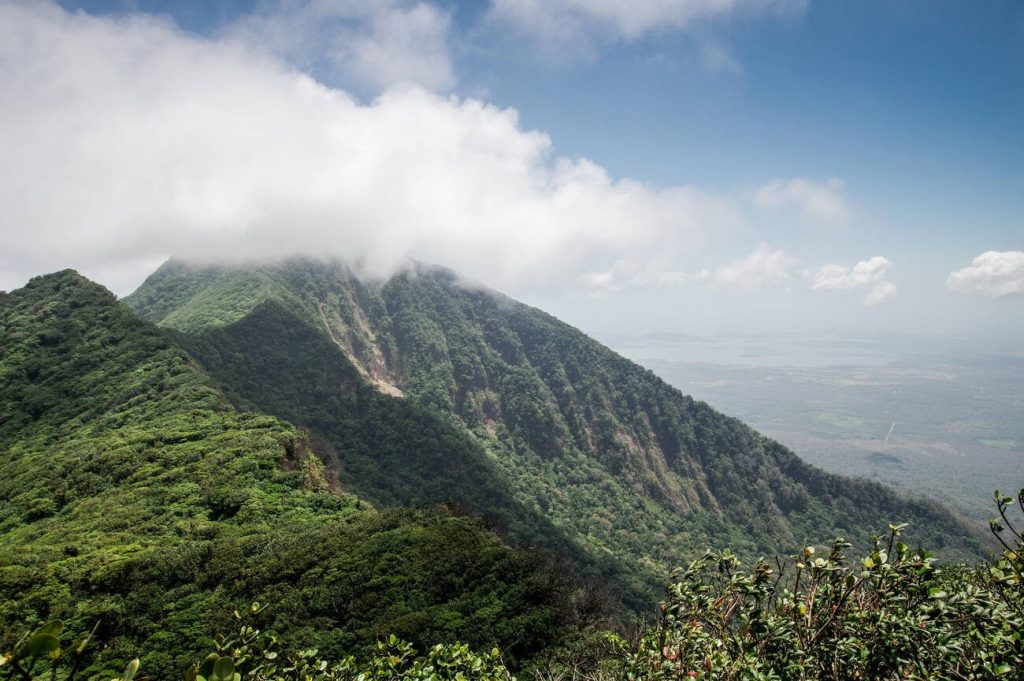
    Volcan Mombacho, part of the Cordillera de los Maribios mountain range, is a stratovolcano characterized by its distinctive shape and volcanic history. It rises approximately 1,344 meters (4,409 feet) above sea level and is composed of four craters, each offering unique insights into its past eruptions. The volcano’s formation dates back thousands of years, with its most recent activity occurring over 3,000 years ago.

    Location and Access

    Situated just 10 kilometers (6 miles) south of Granada, Volcan Mombacho is easily accessible from Nicaragua’s tourism hub. Visitors can reach the volcano by road, enjoying scenic drives that gradually ascend through coffee plantations and dense forests. The main entrance leads to a visitor center where guided tours and information about the volcano’s ecology are available.

    Biodiversity and Conservation

    Volcan Mombacho is renowned for its rich biodiversity, hosting a variety of flora and fauna within its cloud forests. The dense vegetation provides habitat for howler monkeys, sloths, and numerous bird species, including the elusive resplendent quetzal. Conservation efforts led by local organizations focus on preserving these ecosystems, balancing tourism with sustainability to protect the volcano’s natural beauty.

    Activities and Attractions on Volcan Mombacho

    Hiking Trails and Nature Walks

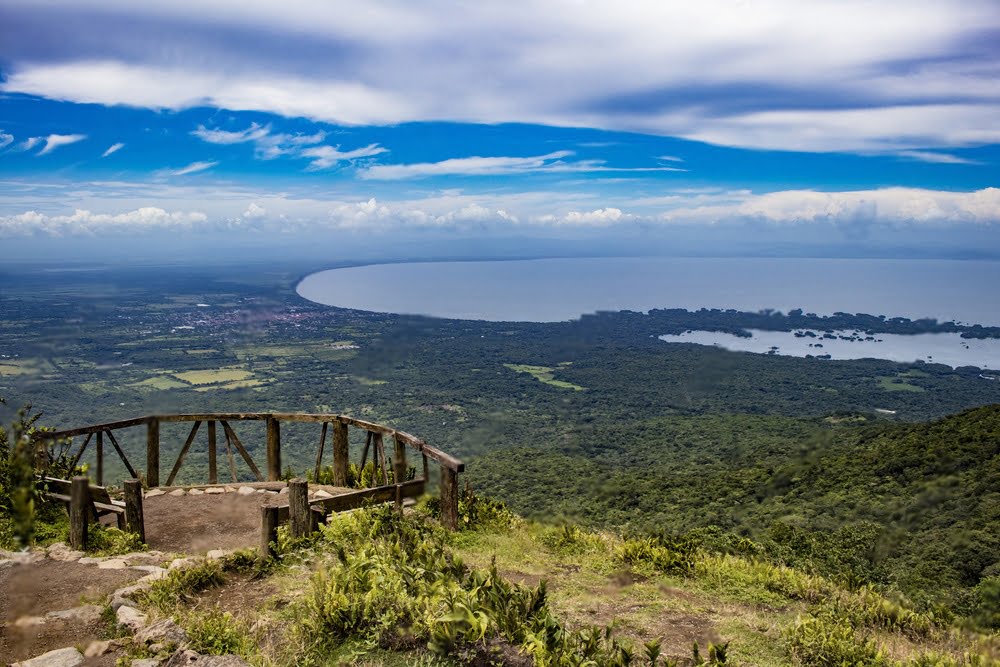
    Exploring Volcan Mombacho on foot unveils a network of well-maintained hiking trails catering to all levels of adventurers. The Crater Trail offers a moderate hike around one of the volcano’s craters, providing panoramic views of Granada and Lake Nicaragua. For a more immersive experience, the Puma Trail leads through dense cloud forests, showcasing the diverse plant life and occasional wildlife sightings.

    Canopy Tour and Zip-lining

    Thrill-seekers can soar above the canopy on zip-line tours that traverse the treetops of Volcan Mombacho. These tours not only provide an adrenaline rush but also offer aerial views of the volcanic landscape and Lake Cocibolca (Lake Nicaragua) beyond. Safety protocols and equipment ensure a secure and exhilarating experience for all participants.

    Coffee Plantations

    Volcan Mombacho’s fertile slopes are dotted with coffee plantations known for producing some of Nicaragua’s finest coffee beans. Visitors can tour these plantations to learn about the coffee cultivation process, from bean to brew. Guided tours often include tastings, allowing guests to savor the flavors of locally grown coffee amidst the volcano’s serene surroundings.

    Ecotourism and Sustainable Practices

    Sustainable Tourism Initiatives

    In recent years, sustainable tourism practices have gained momentum on Volcan Mombacho, driven by local communities and environmental organizations. Initiatives focus on minimizing the ecological footprint of tourism activities, promoting responsible visitor behavior, and supporting conservation projects. By participating in eco-friendly tours and supporting local businesses, visitors contribute to preserving the volcano’s natural heritage.

    Local Culture and Communities

    Volcan Mombacho holds cultural significance for nearby communities, influencing traditions and livelihoods. Indigenous communities, such as the Pueblos Blancos, celebrate the volcano’s natural resources through arts, crafts, and culinary traditions. Visitors can engage with these communities to gain insights into their heritage and enjoy authentic cultural experiences during their stay.

    Tips for Visiting Volcan Mombacho

    Best Time to Visit

    The best time to visit Volcan Mombacho is during the dry season, from November to April, when weather conditions are favorable for hiking and outdoor activities. Avoiding the rainy season (May to October) reduces the risk of encountering heavy downpours that can hinder visibility and trail conditions.

    Packing Essentials

    When preparing for a visit to Volcan Mombacho, essential items include lightweight clothing suitable for hiking, sturdy footwear with good traction, sun protection (hat, sunglasses, sunscreen), insect repellent, and a refillable water bottle. Layered clothing is recommended, as temperatures can vary throughout the day.
    Safety Guidelines

    Prioritize safety during your visit by following designated trails, staying hydrated, and respecting wildlife habitats. Weather conditions on the volcano can change rapidly, so check forecasts before embarking on hikes and heed advice from park rangers. Emergency contact information and medical facilities are available at the visitor center for any unforeseen incidents.

    Conclusion

    In conclusion, Volcan Mombacho stands as a testament to Nicaragua’s natural beauty and cultural heritage, offering visitors a myriad of experiences from hiking through cloud forests to immersing in local traditions. Whether you’re an adventure enthusiast or a nature lover, exploring this volcanic wonder promises unforgettable moments and a deeper appreciation for sustainable tourism practices. Plan your journey to Volcan Mombacho and discover why it remains a cherished destination in Central America.

  • Exploring Granada Nicaragua: Your Ultimate Travel Guide

    Exploring Granada Nicaragua: Your Ultimate Travel Guide

    Granada, Nicaragua, situated on the shores of Lake Nicaragua, stands as a testament to the country’s rich history and cultural heritage. Founded in 1524, Granada is one of the oldest cities in the Americas, boasting a blend of colonial architecture, vibrant markets, and breathtaking natural landscapes. Whether you’re drawn to its historical significance, outdoor adventures, or simply seeking a relaxing getaway, Granada offers an array of experiences that cater to every traveler’s taste.

    Discovering Granada Nicaragua

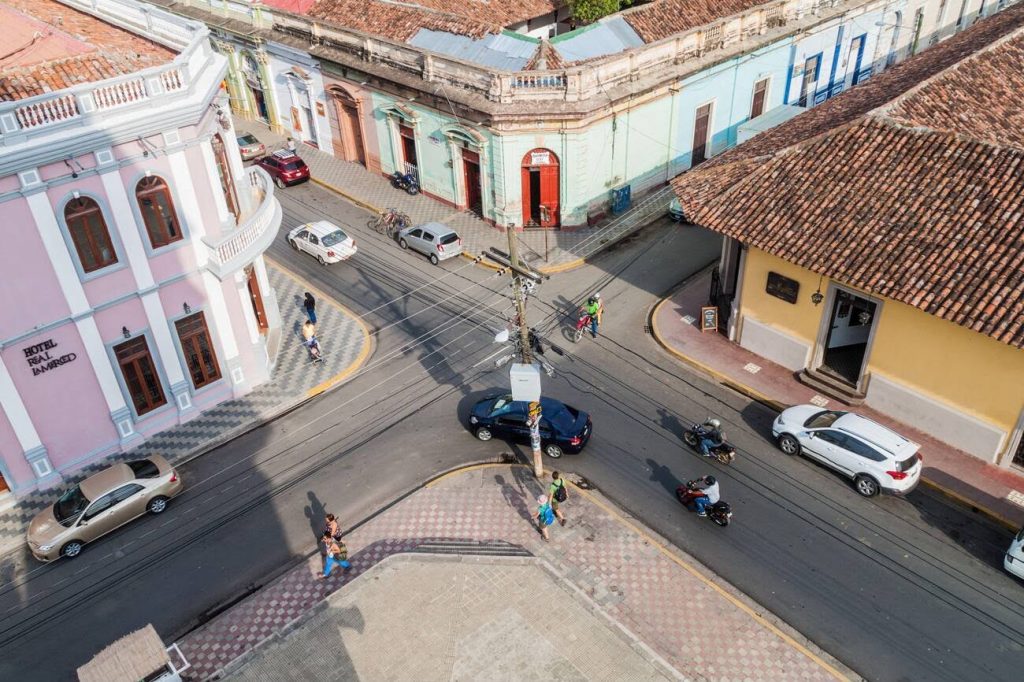
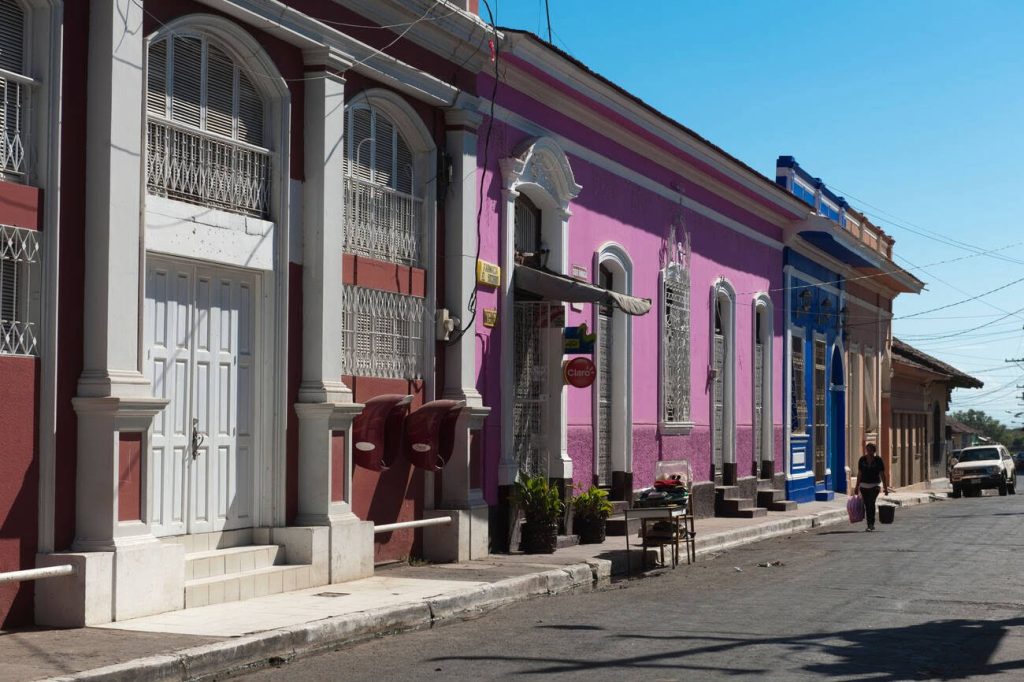
    Granada Nicaragua isn’t just a destination; it’s an immersive experience. Steeped in history and surrounded by natural beauty, this city captivates visitors from around the globe. As you wander through its cobblestone streets lined with colorful colonial buildings, you’ll feel transported back in time. Each building tells a story, reflecting Granada’s colonial past and the resilience of its people.

    Why Visit Granada Nicaragua?

    Granada Nicaragua is a destination that appeals to a wide range of travelers for several compelling reasons:

    Charm of Colonial Architecture

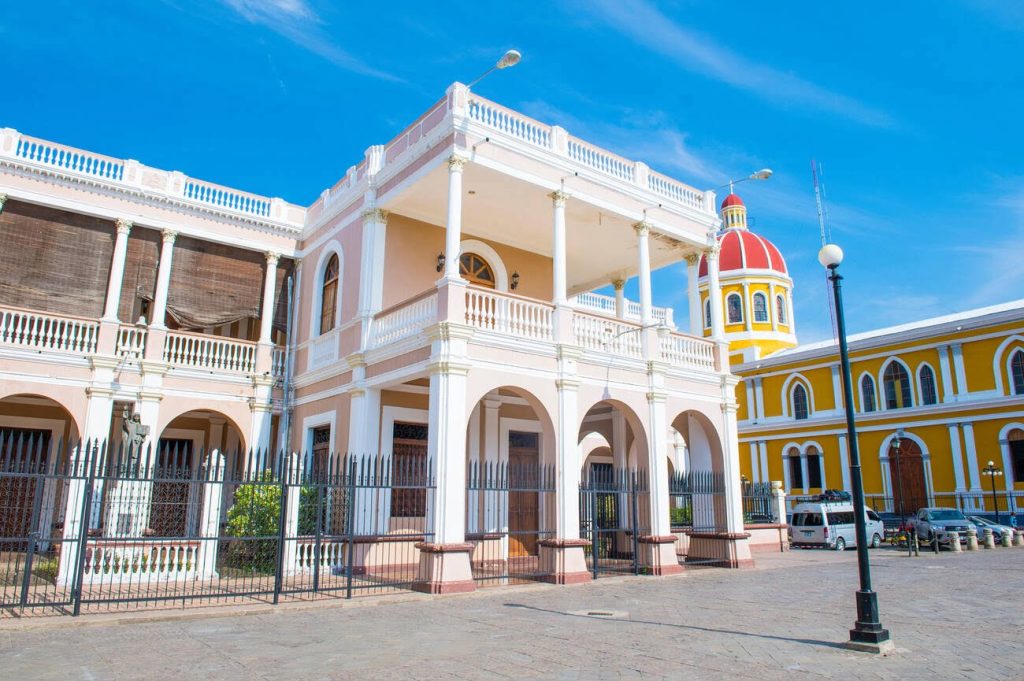
    The heart of Granada is adorned with beautifully preserved colonial buildings. Take a leisurely stroll down Calle La Calzada to admire the architecture and visit local shops and cafes housed within these historic structures.

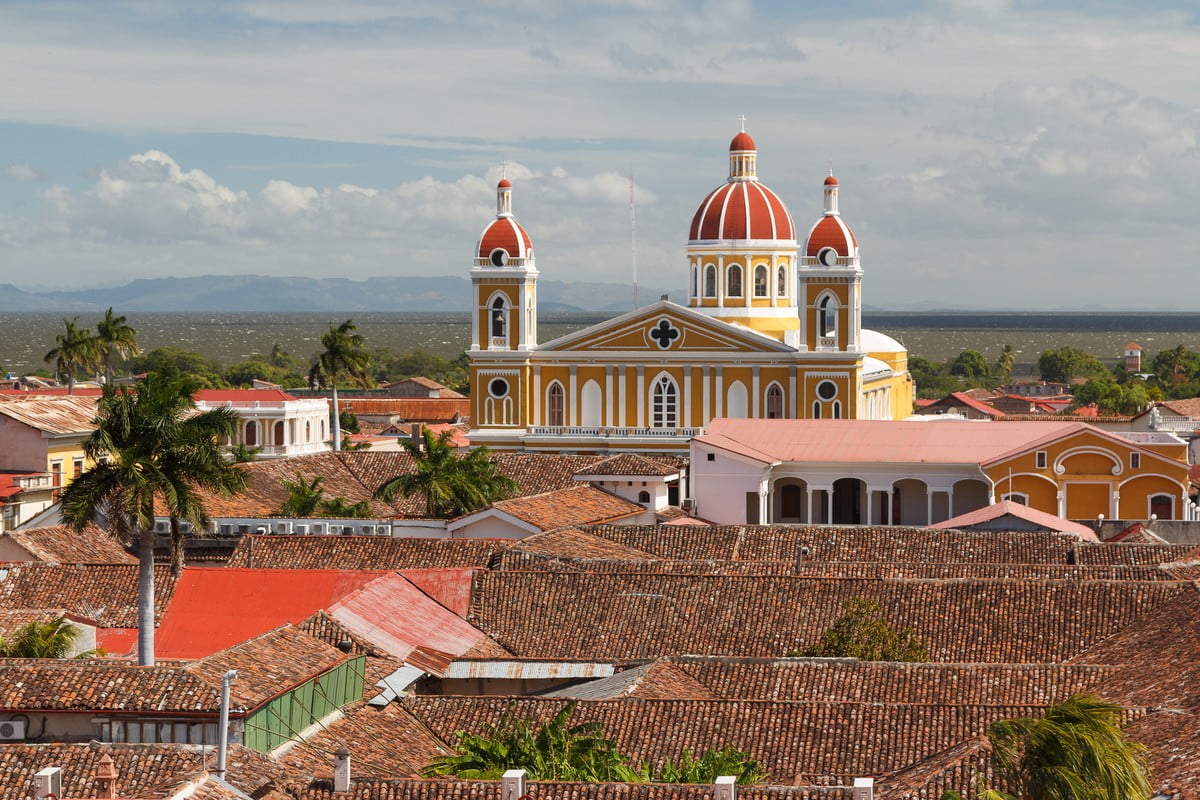
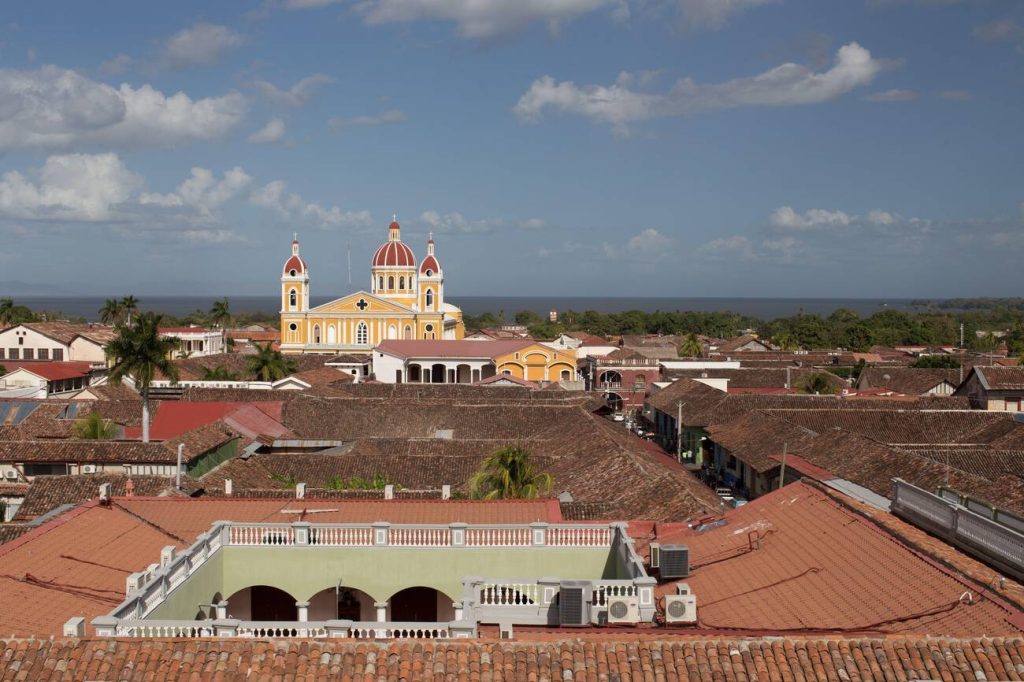
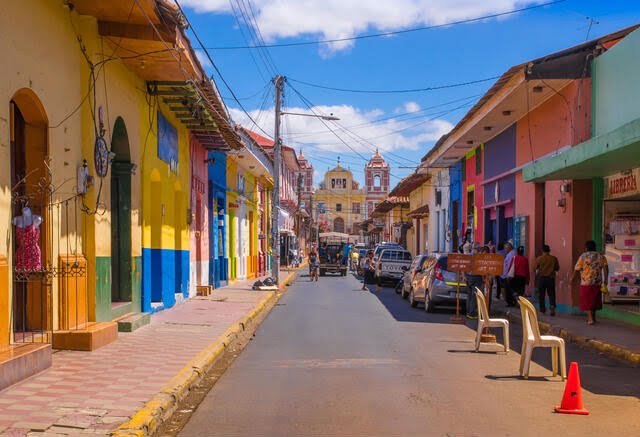
    The heart of Granada beats with the elegance of its colonial-era architecture. Buildings painted in vibrant hues of yellow, pink, and turquoise line the streets, each facade telling tales of centuries past. Key landmarks such as the iconic La Merced Church and the imposing Fortaleza La Polvora stand as silent witnesses to Granada’s storied history.

    Natural Beauty and Landscapes

    Surrounded by natural beauty, Granada offers breathtaking vistas of Lake Nicaragua, the largest lake in Central America. In just a short drive away the nearby Mombacho Volcano, with its cloud forest reserve, provides hiking trails that lead to panoramic views of the city and the lake below. Nature enthusiasts will find themselves enchanted by the diverse flora and fauna that thrive in this volcanic landscape.

    Unique Cultural Experiences

    Granada’s cultural tapestry is woven with threads of Spanish, indigenous, and Afro-Caribbean influences. Local markets bustle with activity, offering everything from handmade crafts to fresh produce. Throughout the year, festivals and celebrations such as the colorful Carnival and the solemn Semana Santa (Holy Week) showcase Nicaragua’s vibrant traditions and religious fervor.

    Best Time to Visit Granada Nicaragua

    Understanding the climate and seasons can greatly enhance your visit to Granada:

    • Dry Season (November to April): This is considered the best time to visit Granada. The weather is sunny and dry, ideal for exploring outdoor attractions and enjoying boat tours on Lake Nicaragua.
    • Rainy Season (May to October): While you may encounter occasional showers, the rainy season brings lush green landscapes and fewer tourists. It’s a great time to experience Granada at a slower pace and benefit from lower accommodation prices.

    Where to Stay in Granada Nicaragua?

    Granada offers a variety of accommodation options to suit every budget and preference:

    Luxury Hotels and Resorts:

    Treat yourself to a stay in one of Granada’s luxurious hotels or resorts, many of which offer stunning views of Lake Nicaragua and first-class amenities. Granada offers a range of luxury accommodations that combine modern comforts with colonial charm.

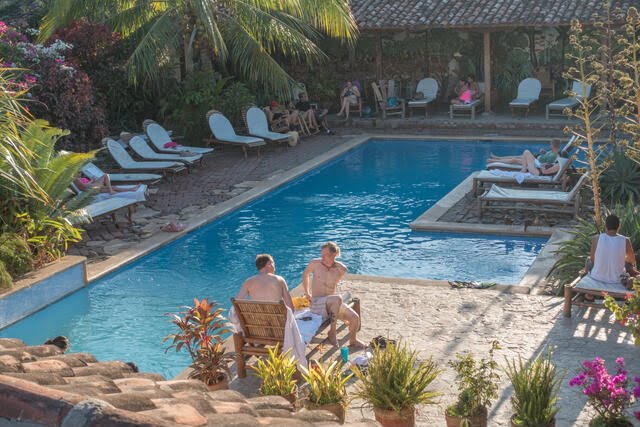
    Boutique hotels and resorts, nestled within restored colonial buildings, provide personalized service and amenities such as spa treatments and gourmet dining. Many of these properties feature courtyards adorned with tropical gardens and swimming pools, offering a tranquil retreat in the heart of Granada.

    Budget-Friendly Hostels:

    For backpackers and budget-conscious travelers, there are plenty of hostels offering affordable dormitory-style accommodations and opportunities to meet fellow travelers. Travelers on a budget will find affordable accommodations in Granada’s guesthouses and hostels, which offer comfortable rooms and communal spaces for socializing. These establishments are often located within walking distance of the city’s main attractions, allowing guests to explore Granada’s sights and sounds without breaking the bank.

    Getting Around Granada Nicaragua

    Getting around Granada is straightforward, with several transportation options available:

    • Local Buses and Taxis: Buses and taxis are affordable and convenient for traveling within the city and nearby attractions.
    • Renting Bicycles or Motorbikes: Explore Granada at your own pace by renting a bicycle or motorbike. This allows you to venture off the beaten path and discover hidden gems.
    • Walking Tours: Join a guided walking tour to delve deeper into Granada’s history and culture. Local guides offer insights into the city’s landmarks and share anecdotes about its storied past.

    Navigating Granada is straightforward, with most attractions located within walking distance of the city center. Taxis and bicycle or motorbikes rentals provide additional transportation options for exploring farther afield, such as the Mombacho Volcano or nearby beaches. Visitors can also arrange guided tours and transportation through local agencies, ensuring a seamless travel experience throughout their stay in Granada.

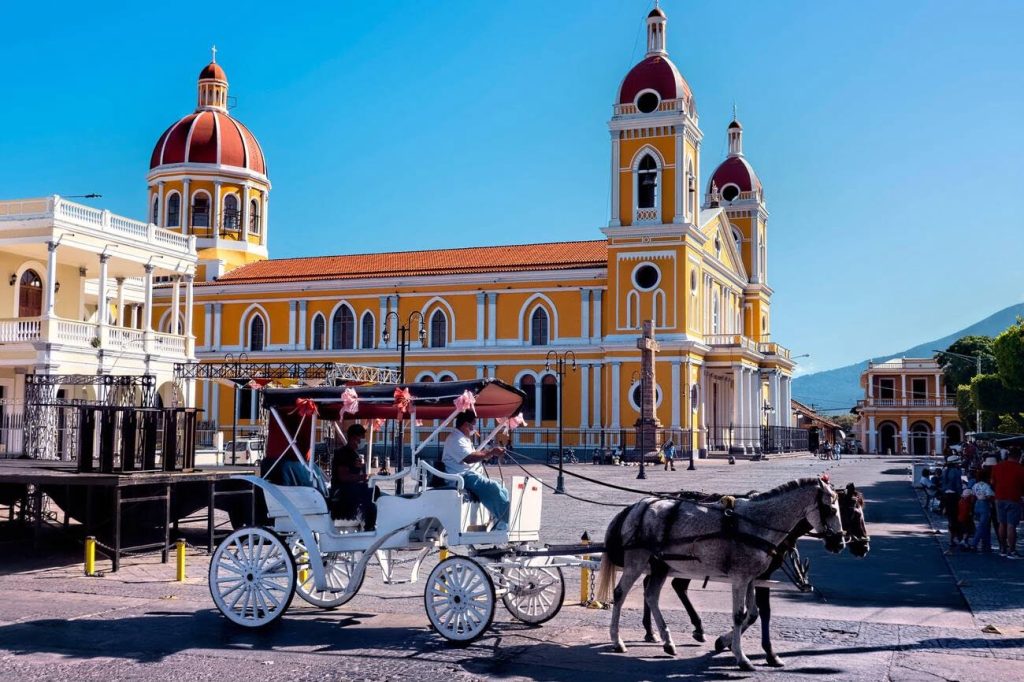
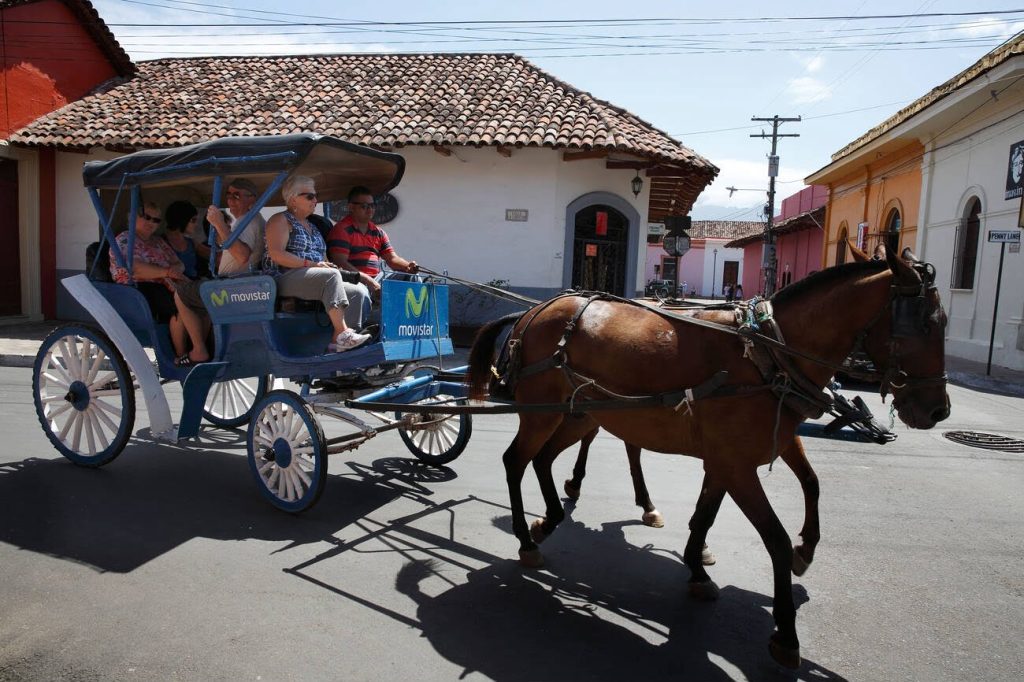
    Horse carriage tours, Granada Nicaragua

    Safety Tips for Travelers in Granada Nicaragua

    Granada is generally considered safe for tourists, with low crime rates and a welcoming atmosphere. However, travelers are advised to exercise caution and remain vigilant, especially in crowded areas and tourist hotspots. It’s recommended to carry a copy of important documents and contact information for local authorities in case of emergencies. Medical facilities in Granada provide essential healthcare services, and travelers should have travel insurance that covers medical expenses and emergencies during their stay.

    • Stay in Tourist Areas: Stick to well-lit and populated areas, especially at night.
    • Use Reliable Transportation: Opt for registered taxis or arrange transportation through your accommodation or a reputable tour operator.
    • Respect Local Customs: Dress modestly when visiting churches and religious sites, and be mindful of local customs and traditions.

    Cultural Etiquette and Customs

    Understanding Nicaraguan customs can enrich your travel experience:

    • Greeting Etiquette: Nicaraguans typically greet with a handshake, and close friends may exchange a kiss on the cheek.
    • Respect for Elders: Show respect to older individuals by addressing them formally and courteously in social Areas.

    Where to Eat: Culinary Delights of Granada Nicaragua

    Traditional Nicaraguan Dishes

    Nicaraguan cuisine reflects the country’s diverse cultural influences and abundant natural resources. Staple ingredients such as corn, beans, and plantains form the basis of many traditional dishes, each offering a unique blend of flavors and textures. Gallo pinto, a hearty combination of rice and beans seasoned with onions and spices, is a staple breakfast dish enjoyed throughout Nicaragua.

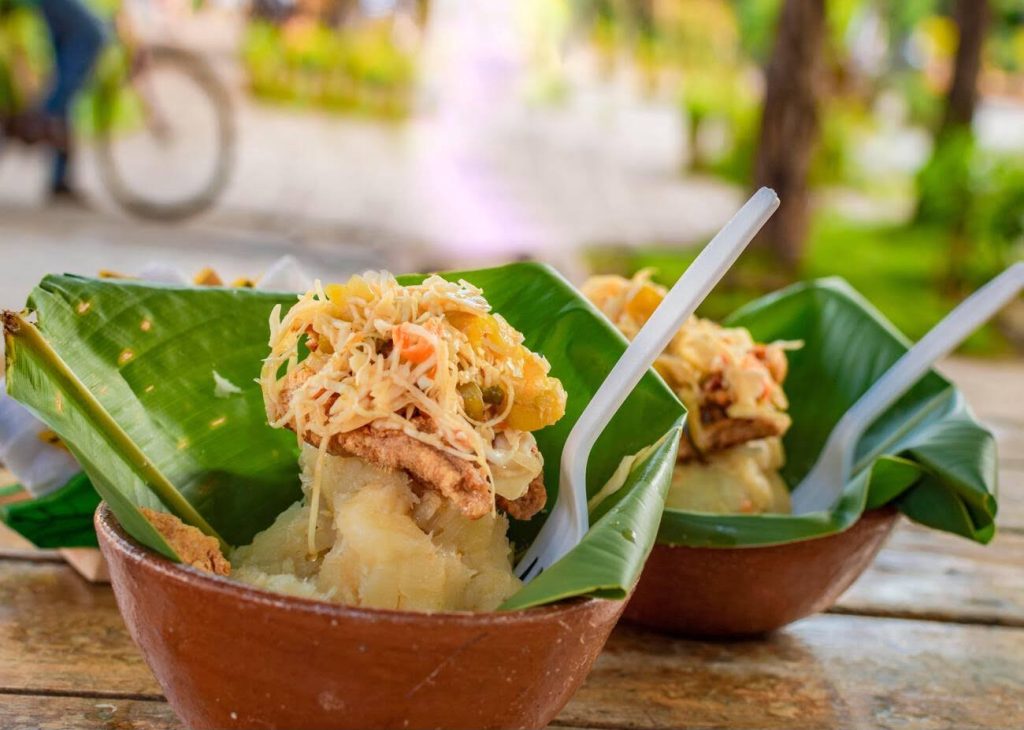
    Vigorón, a savory salad of cabbage, tomatoes, and yucca topped with crispy pork rinds, showcases Nicaragua’s agricultural bounty and culinary creativity. Visitors can sample these dishes at local eateries and street food stalls, where vendors prepare meals using fresh, locally sourced ingredients. Dining in Granada offers a culinary journey that celebrates the country’s cultural heritage and flavors.

    Shopping in Granada Nicaragua

    Take home a piece of Granada with these shopping recommendations:

    • Local Markets: Explore the markets in Granada to find handmade crafts, textiles, pottery, and souvenirs crafted by local artisans.
    • Tips for Bargaining: Bargaining is common in Nicaraguan markets. Approach the process respectfully and enjoy the opportunity to interact with local vendors.

    Day Trips and Excursions from Granada

    Outdoor Adventures

    Granada’s proximity to Lake Nicaragua invites visitors to explore its waters through various water sports and excursions. Kayaking and boat tours provide opportunities to observe the lake’s diverse birdlife and nearby islets, known locally as Las Isletas. As the sun sets over the horizon, a leisurely boat ride offers a tranquil way to appreciate Granada’s natural beauty and vibrant sunsets.

    For those seeking adrenaline-fueled adventures, zip-lining and canopy tours in the Mombacho Volcano Nature Reserve offer a thrilling perspective of the forest canopy and volcanic landscape. These activities cater to adventure seekers of all ages, promising an exhilarating experience amidst Nicaragua’s natural wonders.

    City Exploration

    Exploring Granada on foot reveals hidden gems tucked away in its historic neighborhoods. Guided walking tours lead visitors along cobblestone streets lined with colonial-era homes and ornate churches. Plaza Colon, a central gathering place, invites visitors to relax beneath the shade of ancient trees and immerse themselves in the rhythm of daily life in Granada.

    Culinary tours offer a taste of Nicaragua’s gastronomic delights, from street food vendors serving grilled meats and plantains to upscale restaurants specializing in fusion cuisine. These experiences not only satisfy the palate but also provide insight into the local ingredients and culinary traditions that define Nicaraguan cuisine.

    Conclusion

    Granada Nicaragua is more than just a destination; it’s an immersive experience that captures the essence of Nicaragua’s past, present, and future. Whether exploring historical landmarks, indulging in local cuisine, or embarking on outdoor adventures, visitors to Granada are rewarded with memories that last a lifetime. Plan your journey to Granada and discover why this charming city continues to captivate travelers from around the world. Embrace the magic of Granada Nicaragua and embark on an unforgettable adventure in Central America’s hidden gem.

  • Discover Tola, Nicaragua: Your Guide to Beaches, Surfing, and Eco-Tourism

    Discover Tola, Nicaragua: Your Guide to Beaches, Surfing, and Eco-Tourism

    Tola, Nicaragua

    Tola, situated on Nicaragua’s Pacific coast, is a haven for travelers seeking unspoiled natural beauty and outdoor adventures. Located between the Pacific Ocean and lush greenery, Tola offers a blend of pristine beaches, world-class surfing waves, and opportunities for eco-tourism. This guide provides an in-depth exploration of what makes Tola a must-visit destination for anyone looking to experience Nicaragua beyond its well-known cities.

    Top Beaches in Tola

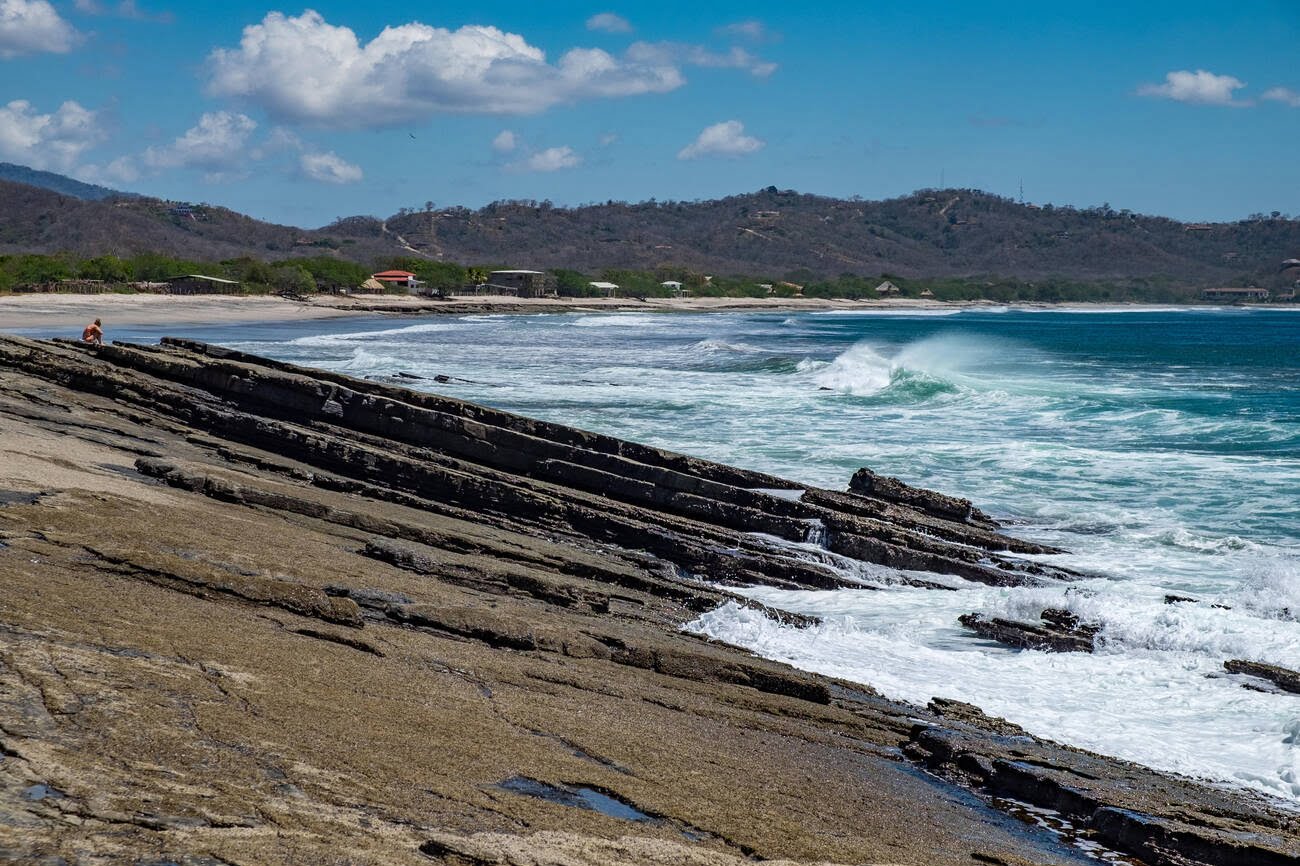
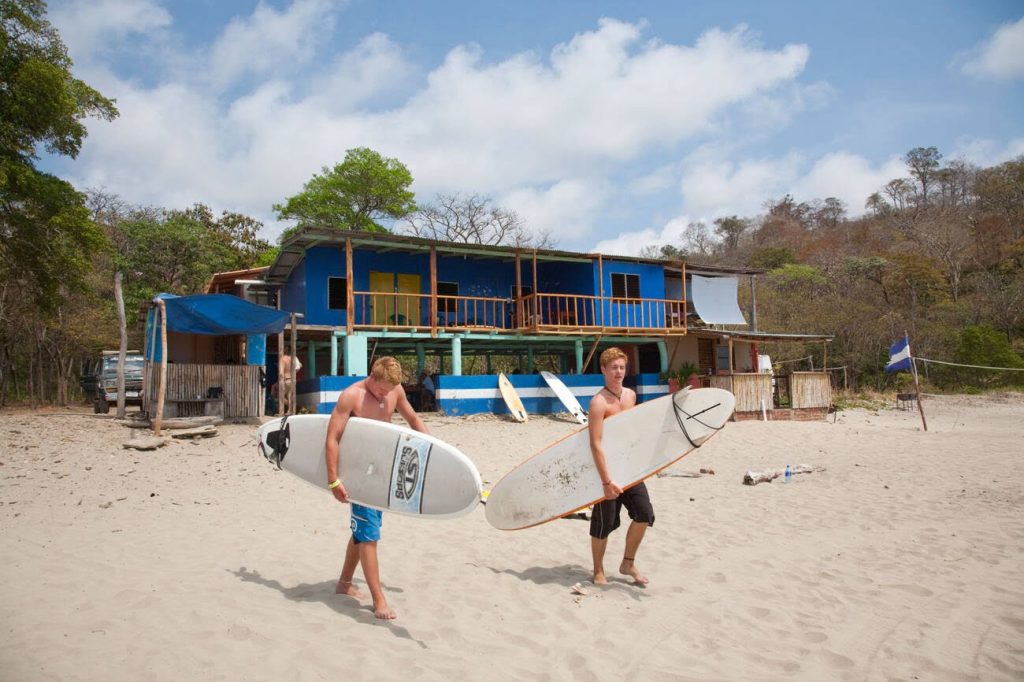
    Tola is renowned for its stunning beaches, each offering its own charm and activities. Popoyo Beach, known for its consistent waves and laid-back atmosphere, is a favorite among surfers and beachgoers alike. Playa Santana, with its golden sands and turquoise waters, is ideal for sunbathing and family outings. Playa Colorado, accessible only to residents and guests of a nearby resort, offers exclusivity and tranquility, perfect for those seeking seclusion.

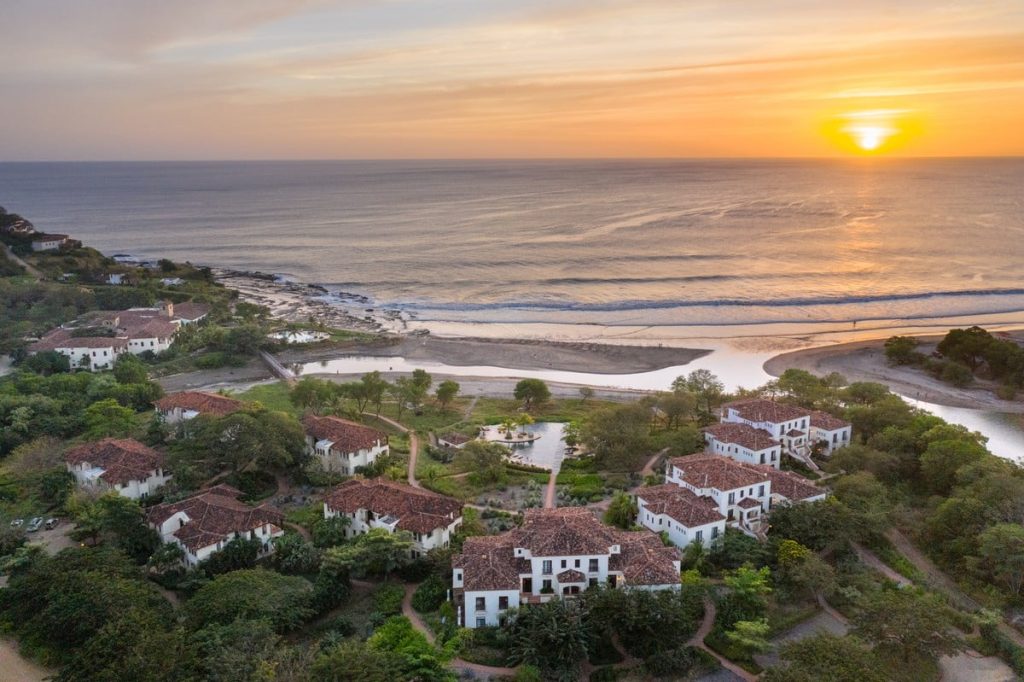
    Rancho Santana

    Surfing in Tola

    Surfers flock to Tola for its world-class waves and year-round surf conditions. Popoyo is a mecca for surfers, known for its powerful and consistent waves suitable for all skill levels. Playa Santana offers a more relaxed surfing experience with long breaks and fewer crowds. Surf schools and rental shops dot the coastline, providing equipment and lessons for beginners and seasoned surfers alike. The best surfing seasons in Tola are from March to November, when swells are most consistent.

    Eco-Tourism and Natural Attractions

    Beyond its beaches, Tola boasts rich biodiversity and natural wonders. Chacocente Wildlife Reserve is home to nesting sea turtles, including the endangered Olive Ridley turtles, making it a significant conservation area. La Flor Wildlife Refuge offers guided tours to observe sea turtle nesting and hatching, providing a rare opportunity to witness these ancient rituals in a protected environment. Birdwatchers can explore Tola’s mangroves and forests to spot native and migratory bird species.

    Local Culture and Cuisine

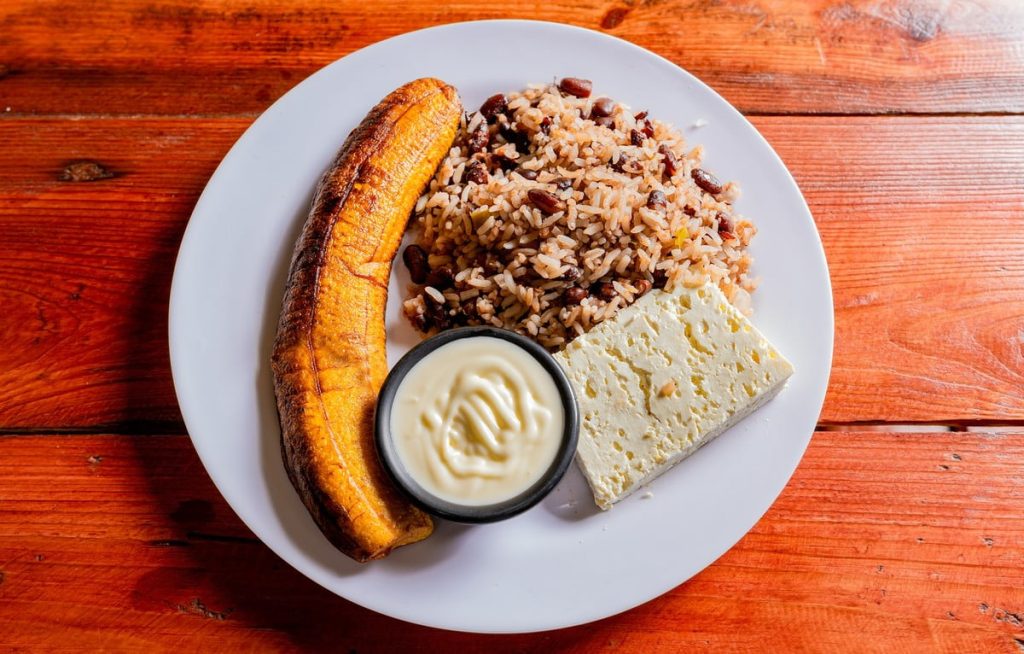
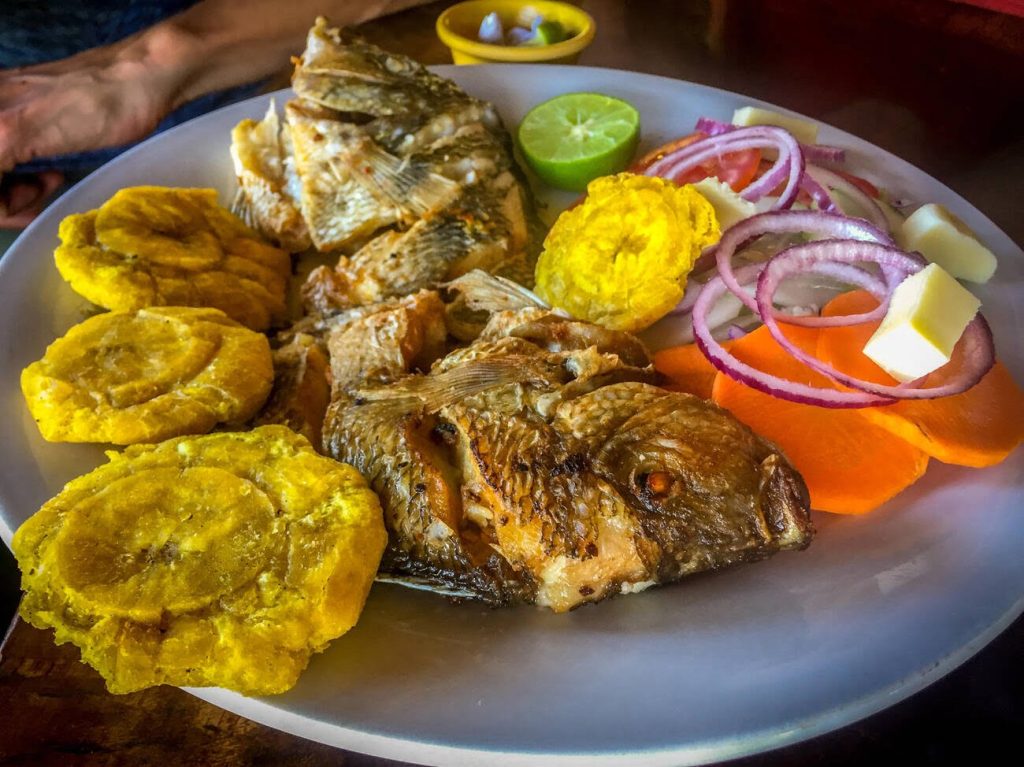
    Tola’s culture reflects its coastal heritage and vibrant community spirit. Local cuisine features fresh seafood dishes such as ceviche and grilled fish, often accompanied by traditional sides like gallo pinto (rice and beans). Cultural events include music festivals and religious celebrations, where visitors can experience local dances and music performances. Artisan markets offer handmade crafts and souvenirs, providing insight into Tola’s artistic traditions and craftsmanship.

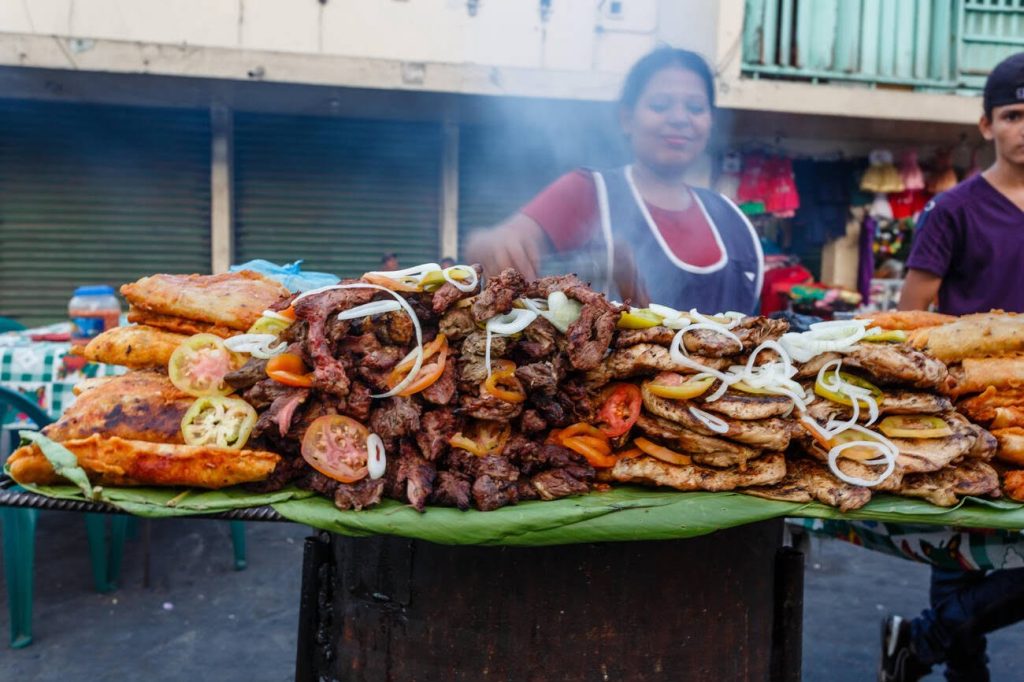
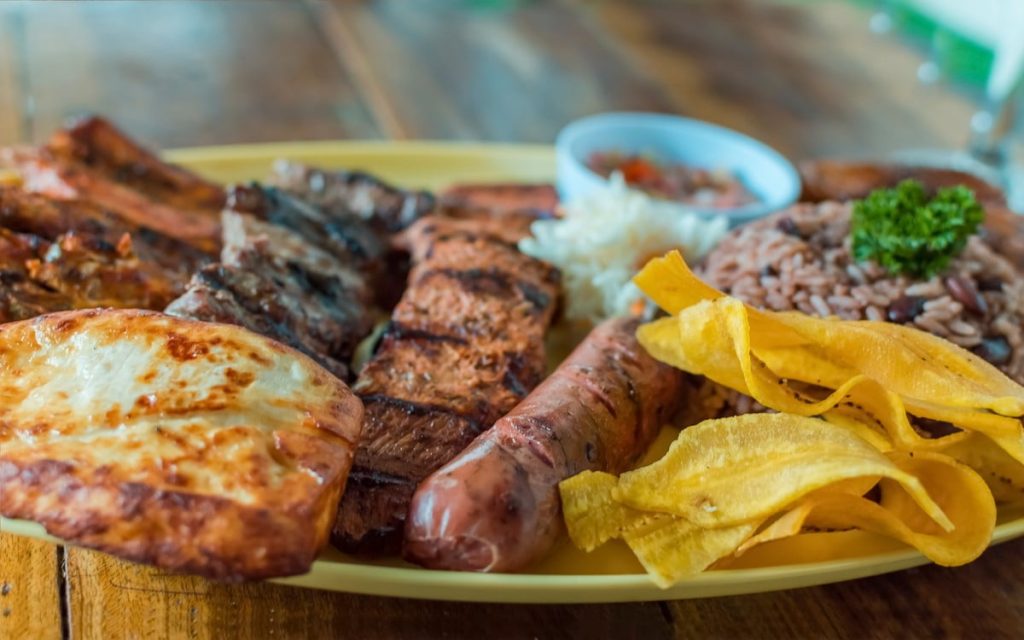
    Gallo Pinto, Fry Cheese, Roast meet, Fry plantain

    Practical Travel Tips for Tola

    The best time to visit Tola is during the dry season from December to April, when rainfall is minimal and temperatures are comfortable. Travelers can reach Tola by flying into Augusto C. Sandino International Airport in Managua and then taking a domestic flight to Costa Esmeralda Airport near Tola. Alternatively, shuttle services and private transfers are available from Managua to Tola, offering a scenic journey through Nicaragua’s countryside. Accommodation options in Tola range from beachfront resorts and eco-lodges to budget-friendly guesthouses, catering to various preferences and budgets.

    Sustainability in Tola

    Tola is committed to sustainable tourism practices aimed at preserving its natural beauty and supporting local communities. Many accommodations and tour operators in Tola prioritize eco-friendly initiatives such as reducing plastic usage and supporting conservation projects. Travelers can contribute to sustainability efforts by choosing responsible tour operators, participating in beach clean-ups, and respecting local customs and wildlife habitats.

    Conclusion

    Tola, Nicaragua, offers a unique blend of natural beauty, outdoor adventures, and cultural experiences that make it a hidden gem in Central America. Whether you’re chasing waves, exploring pristine beaches, or immersing yourself in local culture, Tola promises an unforgettable journey off the beaten path. Plan your visit to Tola and discover why it’s a destination worth exploring for travelers seeking authentic experiences and natural wonders.

  • Exploring San Juan del Sur Nicaragua: A Complete Travel Guide

    Exploring San Juan del Sur Nicaragua: A Complete Travel Guide

    San Juan del Sur, located along the Pacific coast of Nicaragua, beckons travelers with its pristine beaches, vibrant culture, and a laid-back atmosphere. Whether you’re a surfing enthusiast, a nature lover, or simply seeking relaxation in a tropical paradise, San Juan del Sur offers something for everyone. This comprehensive guide will walk you through everything you need to know to make the most of your visit to this charming beach town.

    Discovering San Juan del Sur Nicaragua

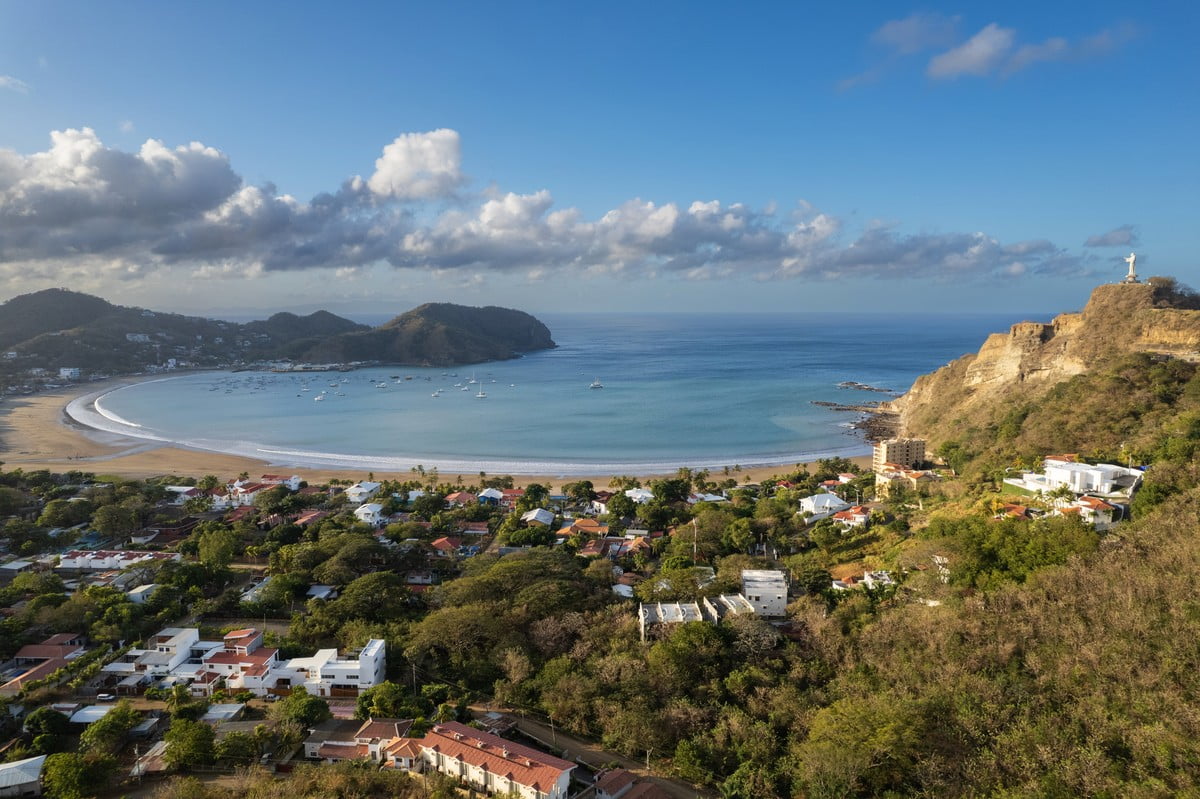
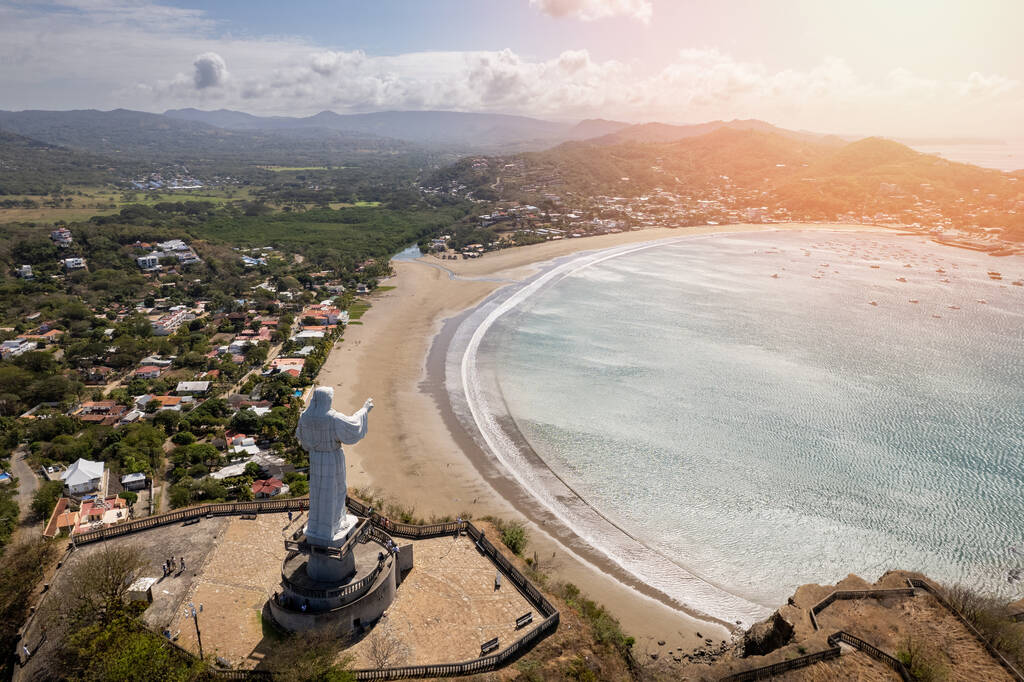
    San Juan del Sur is a quintessential beach town located in southwestern Nicaragua. Known for its picturesque bay dotted with fishing boats and surrounded by lush hills, this town has become a hotspot for travelers seeking sun, sand, and adventure. The town itself boasts a colorful array of colonial-style buildings, lively cafes, and a relaxed vibe that attracts visitors from around the globe.

    Overview of Nicaragua’s Appeal

    Nicaragua, often overshadowed by its more touristy neighbors, offers an authentic Central American experience with its rich culture, warm hospitality, and stunning natural beauty. From volcanic landscapes to sprawling lakes and vibrant cities, Nicaragua has emerged as a top destination for intrepid travelers seeking new experiences.

    Why San Juan del Sur is a Top Choice

    San Juan del Sur stands out for its accessibility, diverse activities, and vibrant nightlife. Whether you’re a surfer catching waves at dawn, a foodie exploring local cuisine, or a nature enthusiast hiking through dense jungles, San Juan del Sur promises an unforgettable adventure.

    Things to Do in San Juan del Sur

    Surfing Paradise

    San Juan del Sur is renowned for its excellent surfing conditions, attracting surfers of all skill levels. Playa Maderas and Playa Hermosa are among the best surf spots, offering consistent waves and stunning beach settings. Surf schools and rentals are readily available for beginners looking to catch their first wave.

    Beach Activities

    Apart from surfing, San Juan del Sur’s beaches offer a variety of activities. Whether you prefer lounging on the golden sands of Playa Marsella, playing beach volleyball, or simply soaking up the sun with a cold drink in hand, the beaches here cater to all tastes.

    Boat Tours

    Explore beyond the shores with boat tours departing from San Juan del Sur. Excursions to nearby islands like Isla Ometepe allow you to discover secluded beaches, snorkel in crystal-clear waters, and witness breathtaking sunsets over the Pacific Ocean.

    Hiking Adventures

    Nature lovers will delight in the hiking opportunities around San Juan del Sur. Trails in nearby nature reserves, such as La Flor Wildlife Refuge, offer glimpses of diverse flora and fauna, including nesting sea turtles during certain seasons.

    Cultural Highlights

    Immerse yourself in the local culture by visiting San Juan del Sur’s vibrant markets and historical sites. Explore Mercado Municipal for authentic Nicaraguan handicrafts, and don’t miss out on visiting historical landmarks that showcase the town’s rich heritage.

    Best Time to Visit San Juan del Sur

    Weather Patterns

    San Juan del Sur enjoys a tropical climate with distinct wet and dry seasons. The dry season, from November to April, is ideal for sunny days and minimal rainfall, perfect for beach activities and outdoor adventures.

    Peak Seasons

    The town experiences peak tourist seasons during the dry months when visitors flock to enjoy the warm weather and clear skies. For a quieter experience and potential savings, consider visiting during the shoulder seasons just before or after the peak months.

    Special Events

    Plan your visit around local festivals like Semana Santa (Easter Week) and Fiestas Patronales (Patron Saint Festivals) to witness traditional celebrations, lively parades, and cultural performances that showcase Nicaragua’s vibrant heritage.

    Where to Stay in San Juan del Sur

    Accommodation Options

    San Juan del Sur offers a range of accommodation options to suit every traveler’s budget and preference. From budget-friendly hostels perfect for backpackers to luxury resorts offering panoramic ocean views, you’ll find accommodation that meets your needs.

    Unique Lodging

    For a unique experience, consider staying in eco-lodges nestled in the jungle or beachfront rentals that offer privacy and direct access to the ocean. These accommodations blend sustainability with comfort, allowing you to unwind amidst nature.

    Local Hospitality

    Experience Nicaraguan hospitality at its finest in San Juan del Sur’s hostels, known for their social atmospheres and opportunities to connect with fellow travelers. Many hostels offer communal spaces, activities, and insider tips on exploring the town.

    Local Cuisine and Dining Options

    Traditional Fare

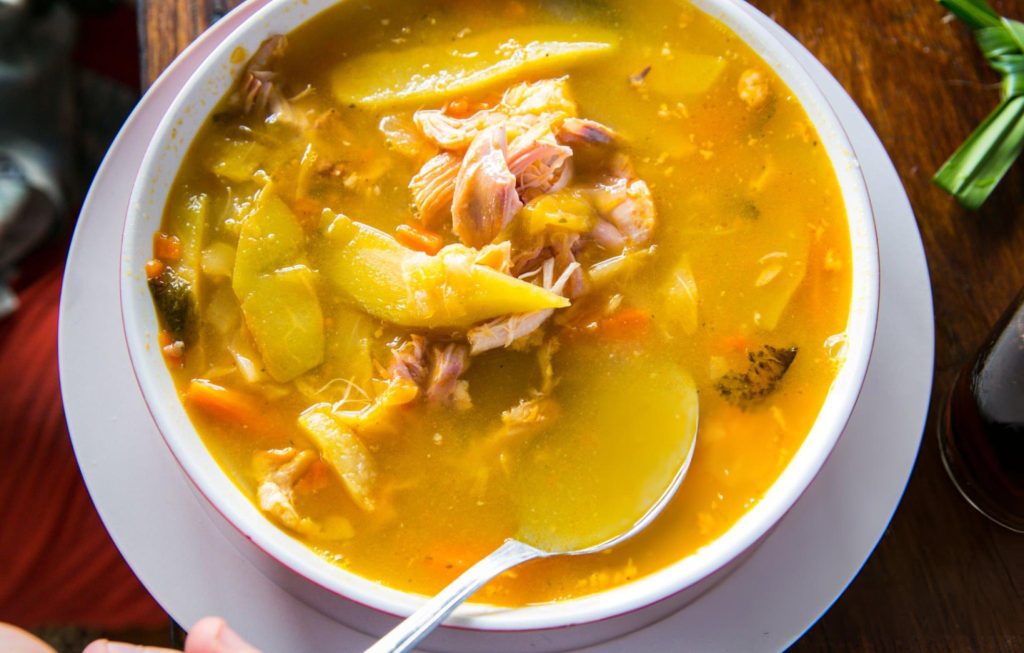
    No visit to San Juan del Sur is complete without indulging in Nicaraguan cuisine. Sample local favorites such as gallo pinto (rice and beans), vigorón (pork dish with yuca and cabbage salad), and fresh seafood dishes prepared with locally sourced ingredients soup (Vegetables, fish, shrimps and lobster).

    Top Restaurants

    Explore the town’s culinary scene with a visit to top-rated restaurants offering a fusion of Nicaraguan flavors and international cuisine. From beachfront bistros serving grilled lobster to cozy cafes brewing artisanal coffee, there’s something to satisfy every palate.

    Street Eats

    For a taste of authentic street food, venture into San Juan del Sur’s bustling streets and sample snacks from local vendors. Try baho (traditional meat and vegetable stew), empanadas filled with savory fillings, and sweet treats like tres leches cake.

    Safety Tips and Travel Advice

    General Safety

    San Juan del Sur is generally safe for tourists, but it’s advisable to take precautions against petty theft and safeguard your belongings. Avoid displaying expensive items openly and be mindful of your surroundings, especially in crowded areas.

    Health Considerations

    Before traveling to Nicaragua, ensure you are up to date with routine vaccinations and consider vaccinations for diseases like hepatitis A and typhoid. Pack a basic first aid kit and familiarize yourself with the location of medical facilities in San Juan del Sur.

    Respectful Travel

    Respect local customs and traditions by dressing modestly when visiting religious sites and participating in cultural events. Learn a few basic Spanish phrases to communicate with locals and enhance your cultural experience.

    Getting Around San Juan del Sur

    Transportation Options

    Navigate San Juan del Sur and its surroundings with ease using various transportation options. Taxis are readily available and offer a convenient way to travel within the town and to nearby attractions. Rental cars and bicycles are also popular choices for exploring at your own pace.

    Navigating the Area

    Pick up maps and guides from local tourist offices to explore San Juan del Sur’s attractions and nearby points of interest. Consider joining organized day trips to places like Rivas, known for its colonial architecture, or Granada, a city steeped in history and culture.

    Day Trips

    Expand your exploration beyond San Juan del Sur with day trips to nearby attractions. Visit the Masaya Volcano National Park to witness volcanic activity up close or embark on a boat trip to Isla Ometepe to discover twin volcanic islands surrounded by Lake Nicaragua.

    Shopping and Souvenirs

    Local Crafts

    Support local artisans and bring home unique souvenirs from San Juan del Sur’s markets. Browse through Mercado Municipal for handmade crafts, pottery, woven textiles, and other authentic Nicaraguan products that make perfect mementos of your trip.

    Popular Shopping Areas

    Explore the town’s shopping districts to find treasures such as colorful hammocks, locally sourced coffee beans, and intricately carved wooden masks. Bargaining is common in markets, so don’t hesitate to negotiate prices with vendors for the best deals.

    Nightlife and Entertainment

    Bar Scene

    As the sun sets over San Juan del Sur, the town comes alive with a vibrant nightlife scene. Head to beachfront bars and clubs to enjoy refreshing cocktails, live music, and spectacular views of the Pacific Ocean under the starlit sky.

    Live Music

    Experience the rhythm of Nicaragua with live music performances featuring local bands and international artists. Many bars and restaurants host live music nights, offering a chance to dance to Latin beats and immerse yourself in the local music scene.

    Practical Information for Travelers

    Visa Requirements

    Travelers visiting Nicaragua typically require a valid passport and may need to obtain a tourist visa depending on their nationality. Check with Nicaraguan embassies or consulates in advance to ensure you have the necessary documents for entry.

    Currency and Payments

    The official currency of Nicaragua is the Nicaraguan córdoba (NIO). While major credit cards are accepted at hotels, restaurants, and larger stores in San Juan del Sur, it’s advisable to carry cash for smaller purchases and when visiting local markets.

    Language Tips

    Spanish is the official language of Nicaragua, with English widely spoken in tourist areas. Learning basic Spanish phrases such as greetings and common expressions can enhance your interactions with locals and enrich your travel experience.

    Eco-Tourism and Sustainability

    Environmental Initiatives

    Support eco-friendly practices and conservation efforts in San Juan del Sur by participating in sustainable tourism activities. Choose eco-lodges and tours that prioritize environmental protection, wildlife conservation, and community engagement.

    Responsible Travel

    Minimize your environmental impact during your stay by conserving water, reducing waste, and respecting natural habitats. Respect local wildlife and refrain from purchasing products made from endangered species or contributing to harmful practices.

    Conclusion

    San Juan del Sur captivates visitors with its blend of natural beauty, cultural richness, and warm hospitality. Whether you’re unwinding on pristine beaches, embarking on outdoor adventures, or immersing yourself in local culture, this coastal gem offers an unforgettable escape in Nicaragua. Plan your journey wisely, embrace the laid-back lifestyle, and create lasting memories in San Juan del Sur, a destination that truly captures the essence of Central America.

  • Explore Corn Island: Your Ultimate Guide to Caribbean Paradise

    Explore Corn Island: Your Ultimate Guide to Caribbean Paradise

    Located in the Caribbean Sea off the coast of Nicaragua, Corn Island stands as a evidence to untouched natural beauty and vibrant local Caribbean culture. This guide aims to unravel the mysteries of this tropical gem, offering insights into its pristine beaches, rich cultural heritage, and abundant marine life. Whether you’re planning a relaxing getaway or an adventure-filled vacation, Corn Island promises an unforgettable experience unlike any other in the Caribbean.

    Discovering the Charm of Corn Island

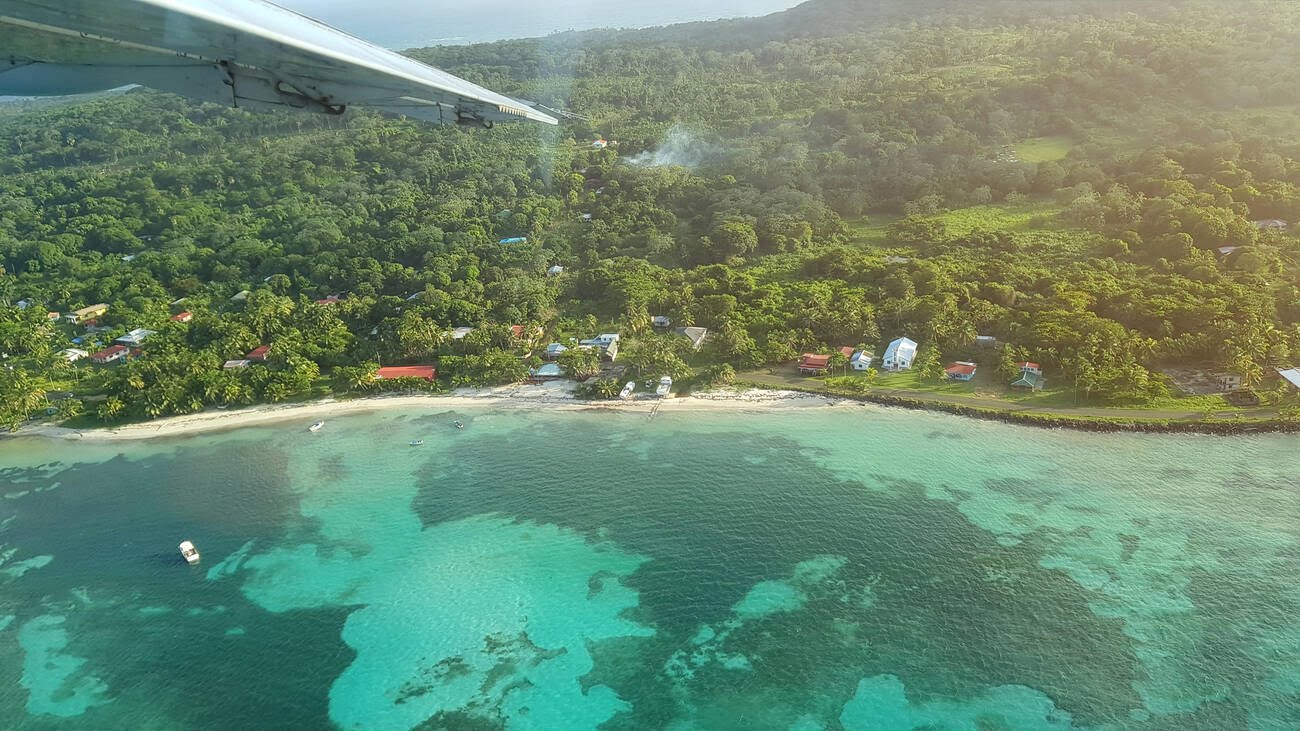
    Corn Island comprises two main islets: the larger Big Corn Island and the smaller, more secluded Little Corn Island. Each island offers its own unique allure, catering to different preferences of travelers. Big Corn Island is known for its bustling activity and more developed infrastructure, making it ideal for those seeking a blend of relaxation and amenities. On the other hand, Little Corn Island remains a tranquil paradise, accessible only by boat and devoid of cars or paved roads, appealing to travelers looking for a secluded retreat in nature.

    Why Visit Corn Island?

    Beautiful Beaches and Pristine Waters

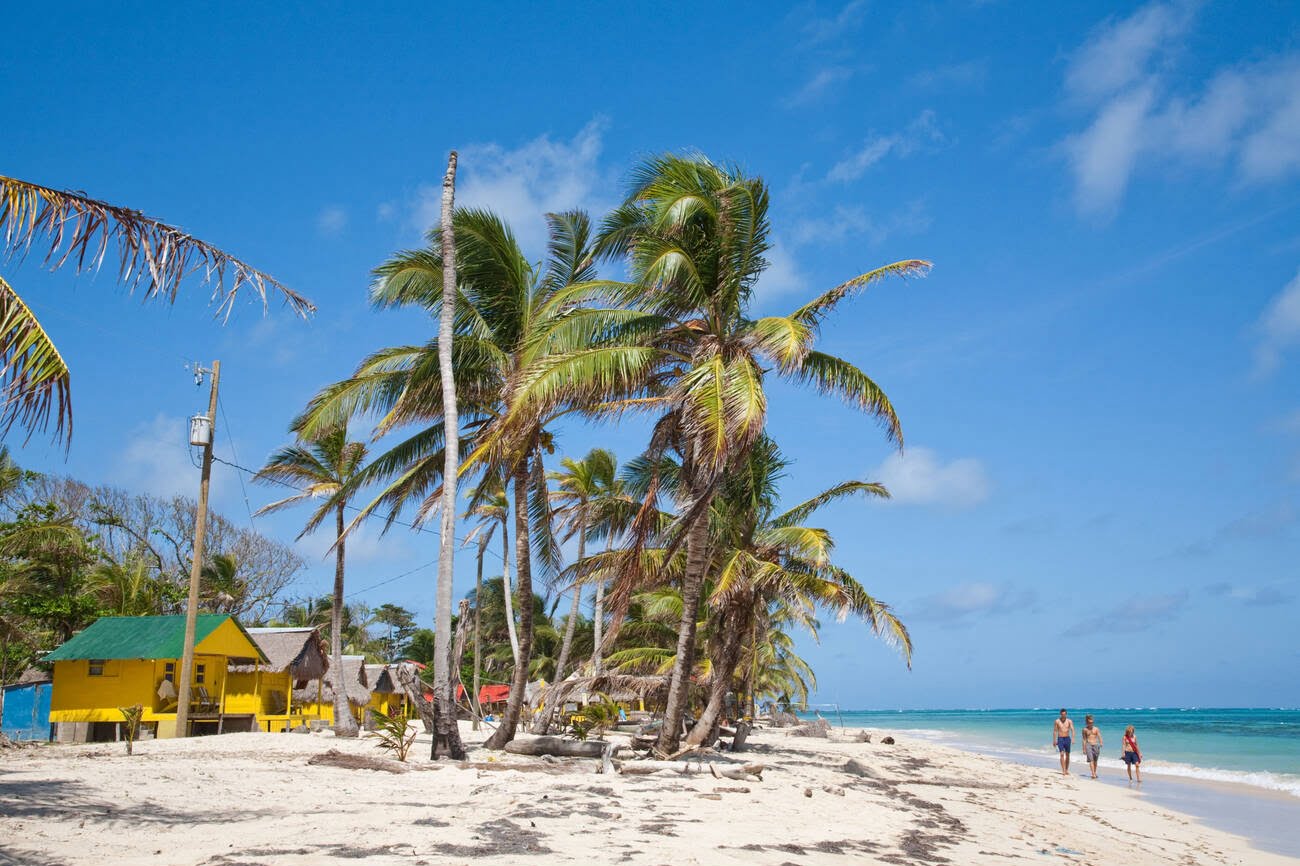
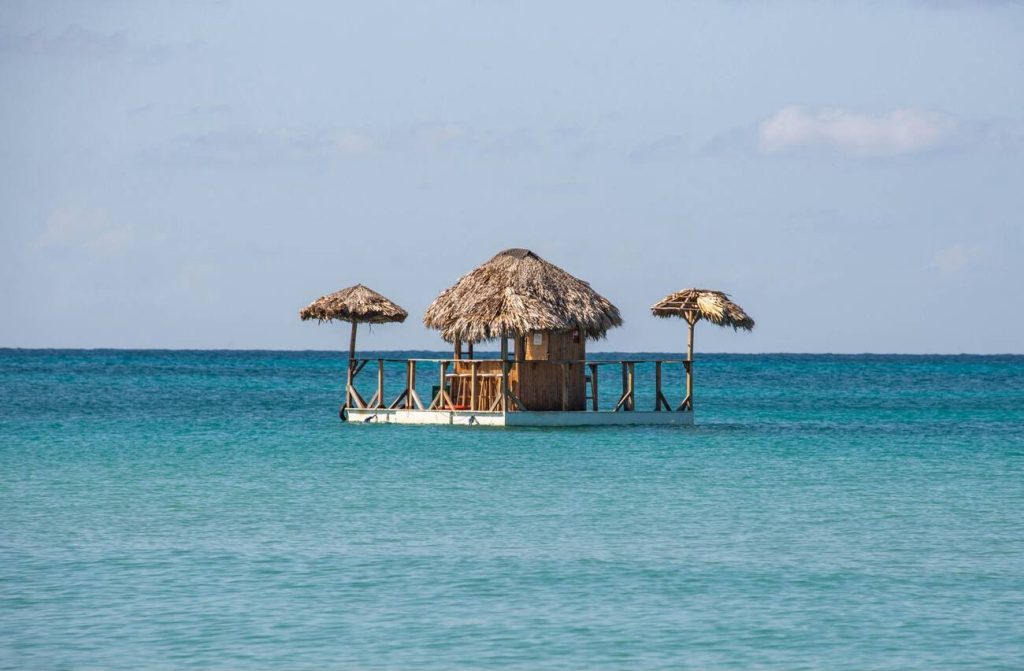
    The beaches of Corn Island are undoubtedly its most alluring feature, drawing visitors from around the world with their powdery white sands and crystal-clear waters. On Big Corn Island, South West Bay is the main hub for beach activities, offering facilities for snorkeling, diving, and water sports. The beach is lined with restaurants and bars where visitors can enjoy fresh seafood while taking in panoramic views of the Caribbean Sea. Little Corn Island, in contrast, boasts quieter beaches like Sally Peachie and Otter’s Beach, where travelers can unwind in solitude and explore the underwater wonders just offshore.

    Unique Cultural Experiences

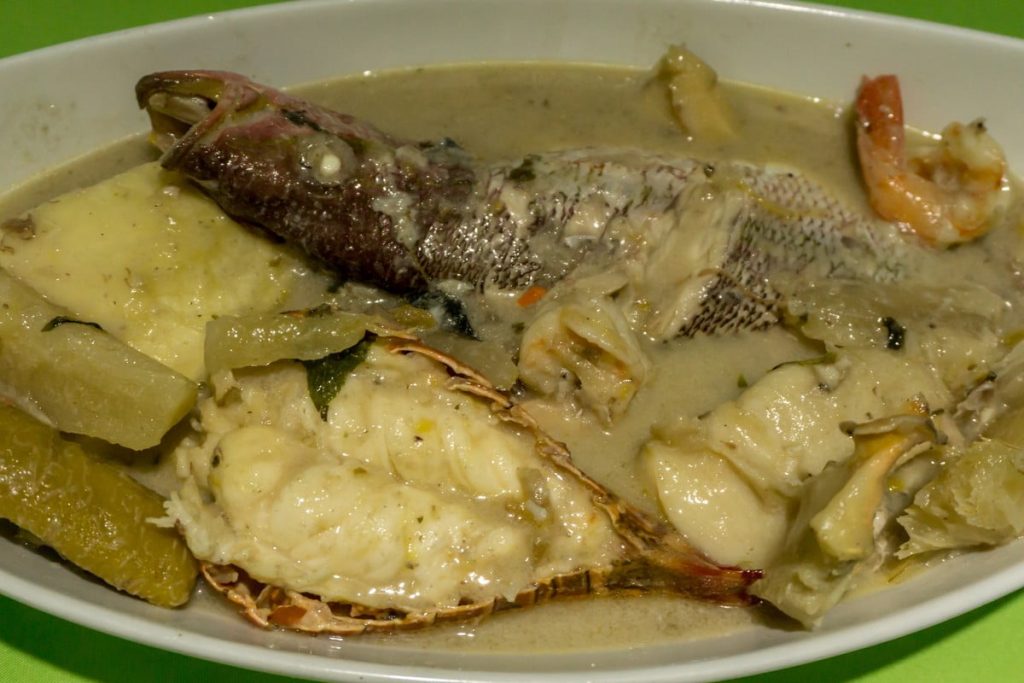
    One of the highlights of visiting Corn Island is immersing yourself in the vibrant culture of its inhabitants, primarily descendants of African slaves and British settlers. The Creole culture is deeply rooted in the island’s traditions, cuisine, and music, creating a distinctive atmosphere that captivates visitors. Local festivals and events showcase traditional dances, music, and cuisine, providing a glimpse into the islanders’ way of life. Be sure to try local specialties such as Rundown, a savory coconut-based seafood stew, or indulge in fresh lobster, a staple of Corn Island cuisine.

    Opportunities for Snorkeling and Diving

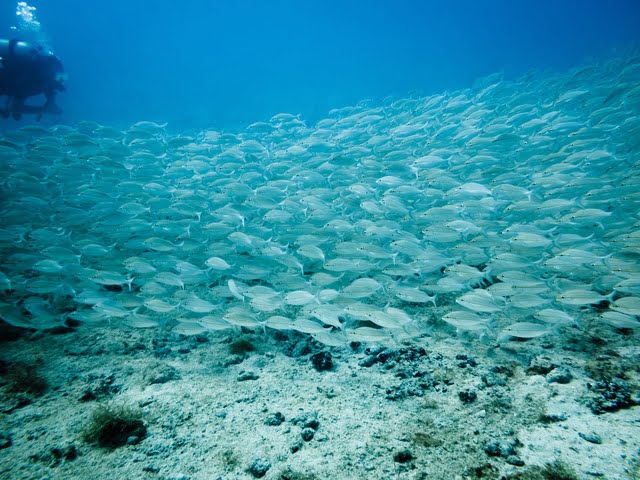
    Corn Island is renowned for its exceptional snorkeling and diving sites, offering enthusiasts a chance to explore vibrant coral reefs teeming with marine life. The waters surrounding the islands are home to a diverse array of underwater ecosystems, from shallow reefs abundant with colorful fish to deeper waters where larger species like nurse sharks and rays can be spotted. Dive shops on both Big and Little Corn Islands offer guided tours and certification courses for beginners and experienced divers alike, ensuring everyone can experience the beauty beneath the waves.

    Planning Your Trip to Corn Island

    Best Time to Visit

    The best time to visit Corn Island is during the dry season, which runs from February to April. During these months, the weather is typically sunny and dry, ideal for beach activities and outdoor exploration. The rainy season, from May to October, brings occasional showers and higher humidity, although it can be a quieter time to visit with fewer tourists.

    How to Get to Corn Island

    Travel to Corn Island usually begins with a flight from Nicaragua’s capital, Managua, to Augusto C. Sandino International Airport. From there, travelers can catch a connecting flight to Corn Island Airport, which takes approximately 1.5 hours. Alternatively, ferries operate from the mainland cities of Bluefield’s and El Rama, providing a scenic but longer journey that takes around 6-7 hours depending on weather conditions.

    Accommodation Options

    Corn Island offers a variety of accommodations to suit every traveler’s preferences and budget. On Big Corn Island, visitors can choose from beachfront resorts offering luxury amenities to budget-friendly guesthouses and hostels. Little Corn Island, known for its eco-friendly ethos, features charming boutique hotels and eco-lodges situated amidst lush tropical gardens. Booking accommodations in advance is recommended, especially during peak tourist seasons, to secure your preferred choice.

    Things to Do on Corn Island

    Beach Activities

    Corn Island’s beaches cater to both relaxation seekers and adventure enthusiasts alike. South West Bay on Big Corn Island is a hub for water sports such as snorkeling, paddleboarding, and jet skiing. Visitors can rent equipment locally or join guided tours to explore nearby reefs and underwater caves. Little Corn Island’s more secluded beaches offer tranquility and opportunities for sunbathing, beachcombing, and leisurely swims in calm, turquoise waters.

    Exploring Local Culture

    Delve into the vibrant Creole culture by visiting local markets, attending cultural performances, and participating in cooking classes that highlight traditional cuisine. The islanders’ warm hospitality invites travelers to engage in conversations and learn about their customs and daily life. Artisan shops on both islands offer handmade crafts and souvenirs, providing a glimpse into the island’s artistic traditions and craftsmanship.

    Natural Attractions and Wildlife

    Natural Reserves

    Corn Island boasts several natural reserves and protected areas that showcase its diverse ecosystems and pristine landscapes. The Pearl Keys, located off the coast of Little Corn Island, are a group of uninhabited islets surrounded by vibrant coral reefs, making them a haven for snorkelers and nature enthusiasts. On Big Corn Island, visit the Southern Keys Nature Reserve to explore hiking trails through dense tropical forests and observe native bird species in their natural habitat.

    Scenic Views and Landmarks

    For panoramic views of the Caribbean Sea, hike to the highest points on both Big and Little Corn Islands. On Big Corn Island, climb to the top of the lighthouse for breathtaking vistas of the coastline and surrounding islands. Little Corn Island offers hiking trails that wind through lush rainforests, leading to secluded viewpoints overlooking pristine beaches and hidden coves. Historic landmarks such as the remains of ancient indigenous settlements and colonial-era buildings provide insights into the islands’ rich history and cultural heritage.

    Practical Tips for Visitors

    Health and Safety

    While Corn Island is generally safe for visitors, it’s essential to take precautions to ensure a comfortable and enjoyable stay. Use sunscreen and insect repellent, as tropical conditions can be intense. Drink bottled water to avoid dehydration and be mindful of local customs and regulations, respecting the environment and cultural traditions.

    Local Cuisine and Dining

    Indulge in the flavors of Corn Island by sampling fresh seafood dishes prepared with locally sourced ingredients. Restaurants and beachside eateries offer a variety of Creole and international cuisines, ensuring there’s something to satisfy every palate. Don’t miss the opportunity to dine on fresh lobster, a delicacy synonymous with Corn Island, served grilled, fried, or in savory stews that highlight the island’s culinary diversity.

    Sustainability and Responsible Tourism

    Environmental Initiatives

    Support sustainable tourism practices during your visit to Corn Island by choosing eco-friendly accommodations and tour operators committed to preserving the island’s natural beauty. Participate in beach clean-up activities or conservation projects organized by local organizations to minimize your environmental impact and contribute positively to the community. Respect marine life and coral reefs by snorkeling and diving responsibly, following guidelines to protect fragile ecosystems and wildlife habitats.

    Conclusion

    Corn Island invites travelers to discover the allure of the Caribbean through its pristine beaches, rich cultural heritage, and abundant natural beauty. Whether you’re seeking adventure in the ocean depths or tranquility on secluded shores, Corn Island promises an escape to paradise that will leave a lasting impression. Plan your journey to this tropical gem and uncover why it’s a destination unlike any other in the Caribbean.

  • Discovering Leon Nicaragua: History, Culture, and Attractions

    Discovering Leon Nicaragua: History, Culture, and Attractions

    Welcome to Leon Nicaragua, a city steeped in history and brimming with cultural significance. Located in the northwest part of Nicaragua, Leon stands as a testament to the country’s rich past and vibrant present. Whether you’re a history buff, a cultural enthusiast, or simply seeking a new travel adventure, Leon promises to captivate with its diverse attractions and warm hospitality.

    Leon is not just any city; it’s a destination that invites exploration, offering a blend of colonial charm, artistic expression, and natural beauty. In this comprehensive guide, we’ll delve into the historical roots of Leon, uncover its cultural treasures, explore its top attractions, savor its local cuisine, and provide essential travel tips to ensure your visit is both enjoyable and enriching.

    History of Leon Nicaragua

    Leon Nicaragua boasts a storied history that dates back to its founding in the early 16th century. Situated in the western region of Nicaragua, Leon played a pivotal role in the country’s colonial past and has since evolved into a cultural epicenter.

    Early Settlement and Colonial Influence

    Leon was founded in 1524 by Francisco Hernández de Córdoba, a Spanish conquistador. It quickly became one of the most important Spanish settlements in Central America due to its strategic location and fertile surroundings. The city thrived as a center of commerce and agriculture, benefiting from its proximity to Lake Xolotlán (Lake Managua) and volcanic soils ideal for farming.

    During the colonial era, Leon rivaled Granada as Nicaragua’s principal city. It served as the capital of Nicaragua on multiple occasions, alternating with Granada due to political tensions. This historical rivalry between Leon and Granada shaped much of Nicaragua’s early history and political landscape.

    Leon Nicaragua

    Role in Independence Movements

    Leon played a crucial role in Nicaragua’s fight for independence from Spanish rule in the early 19th century. It was a hotbed of revolutionary activity, with prominent figures like Miguel Hidalgo y Costilla and José de la Cruz Mena leading movements against colonial oppression. The city’s residents actively participated in battles and uprisings, contributing significantly to Nicaragua’s eventual independence in 1821.

    Cultural and Political Significance

    Beyond its historical milestones, Leon has been a beacon of culture and intellectualism in Nicaragua. It is renowned for its contributions to literature, art, and education. The city was home to Rubén Darío, Nicaragua’s most celebrated poet, whose literary works continue to inspire generations.

    Leon has also been a center of political activism and social change throughout Nicaragua’s modern history. It was a stronghold of Sandinista revolutionaries during the 20th century, influencing the country’s political landscape and policies.

    Cultural Heritage of Leon

    Leon Nicaragua’s cultural heritage is as diverse and vibrant as its history. As one of Nicaragua’s oldest and most influential cities, Leon has nurtured a rich tapestry of traditions, arts, and intellectual pursuits that continue to define its identity today.

    Art and Literature

    Leon is renowned for its contributions to Nicaraguan literature and art. The city was the birthplace and home of Rubén Darío, a literary giant whose works marked a significant literary movement known as modernismo. Darío’s poetry, characterized by its romanticism and symbolism, elevated Nicaraguan literature onto the world stage.

    In addition to Darío, Leon has produced numerous poets, writers, and artists who have shaped Nicaraguan cultural identity. The city’s vibrant arts scene includes galleries, studios, and cultural centers that showcase contemporary and traditional Nicaraguan art forms.

    Architecture and Landmarks

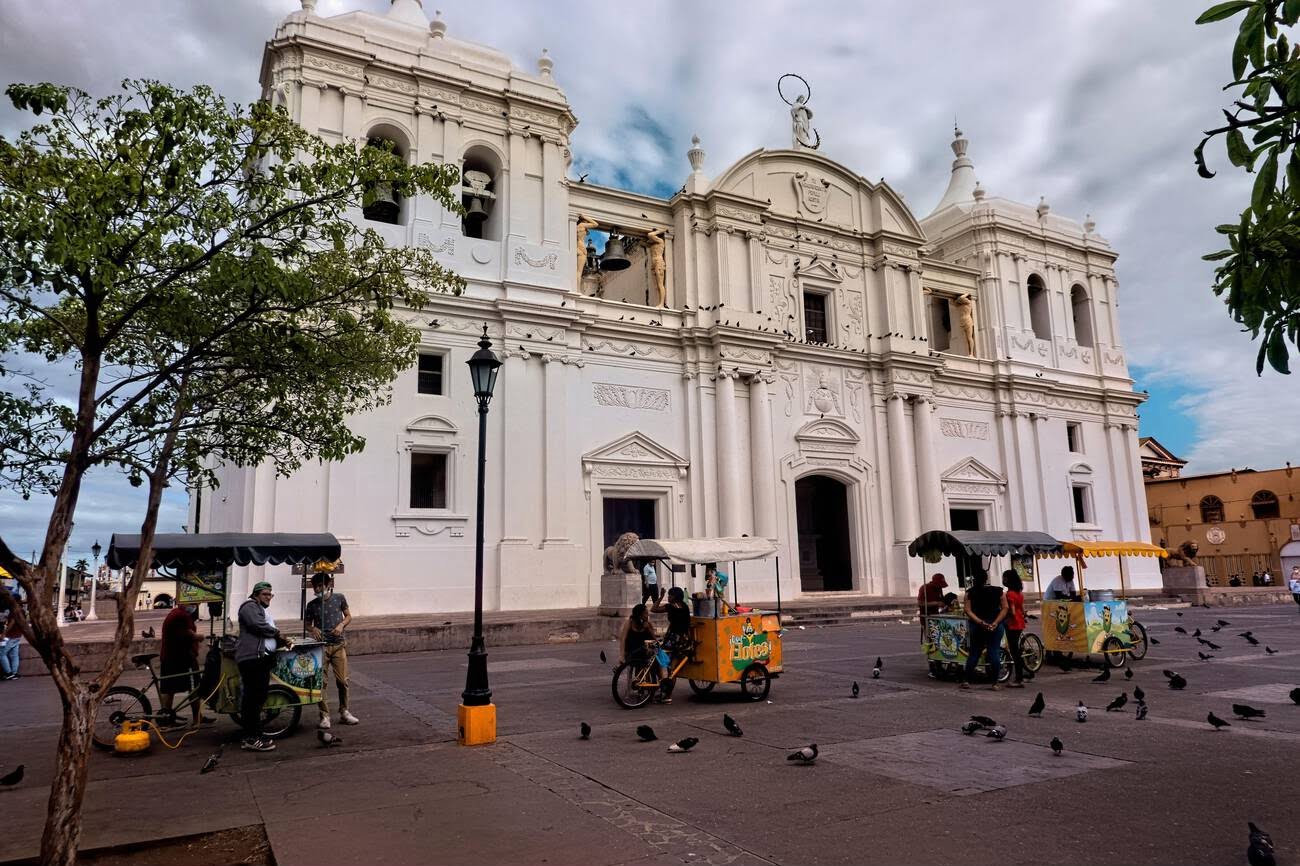
    One of the most striking features of Leon’s cultural landscape is its architecture. The city boasts a blend of colonial and neoclassical architecture, with landmarks that reflect its historical significance. The Cathedral Basilica of the Assumption of Leon, for instance, is a UNESCO World Heritage Site and a masterpiece of Spanish colonial architecture in Central America. Its imposing structure and intricate details make it a must-visit for tourists and architecture enthusiasts alike.

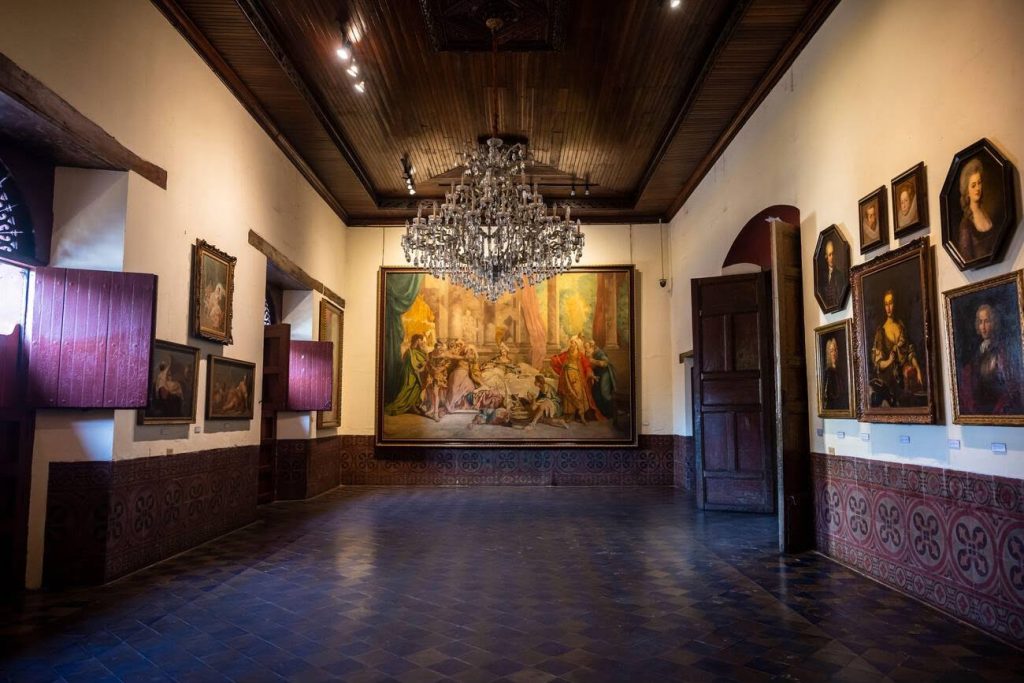
    Other notable landmarks include the Ortiz-Gurdián Art Gallery, housed in a beautifully restored colonial building, which showcases both Nicaraguan and international art collections. The Rubén Darío Museum, dedicated to the poet’s life and works, offers insights into Nicaragua’s literary heritage and Darío’s impact on global literature.

    Festivals and Celebrations

    Leon’s cultural calendar is punctuated with vibrant festivals and celebrations that highlight its traditions and heritage. The annual Feast of the Assumption of Mary, celebrated in honor of the city’s patron saint, draws pilgrims and visitors from across Nicaragua. During this festival, Leon comes alive with religious processions, music, dance, and traditional cuisine, providing a glimpse into Nicaraguan religious and cultural practices.

    Top Attractions in Leon

    Leon Nicaragua is home to a wealth of attractions that blend history, culture, and natural beauty. Whether you’re interested in exploring architectural marvels, delving into the city’s artistic heritage, or discovering its natural landscapes, Leon offers something for every traveler.

    Leon Cathedral (Cathedral Basilica of the Assumption of Leon)

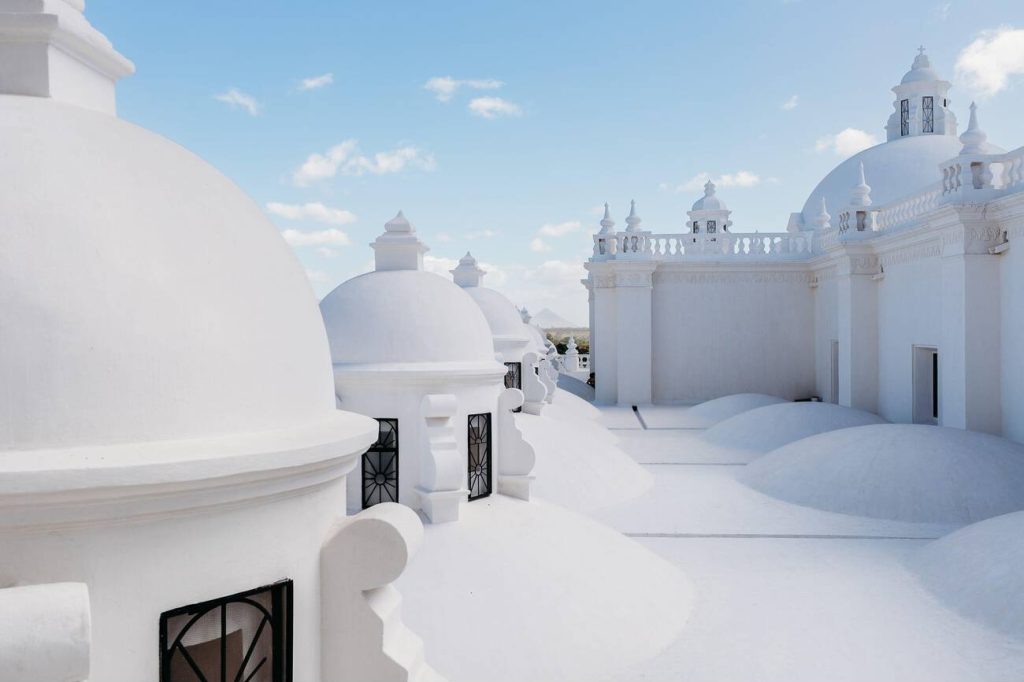
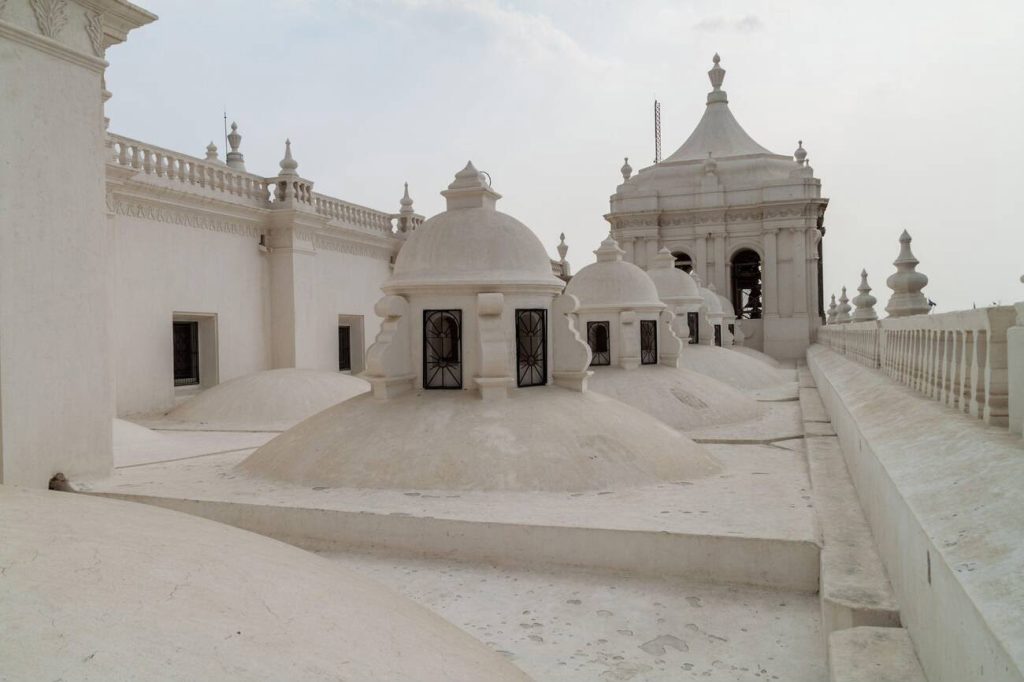
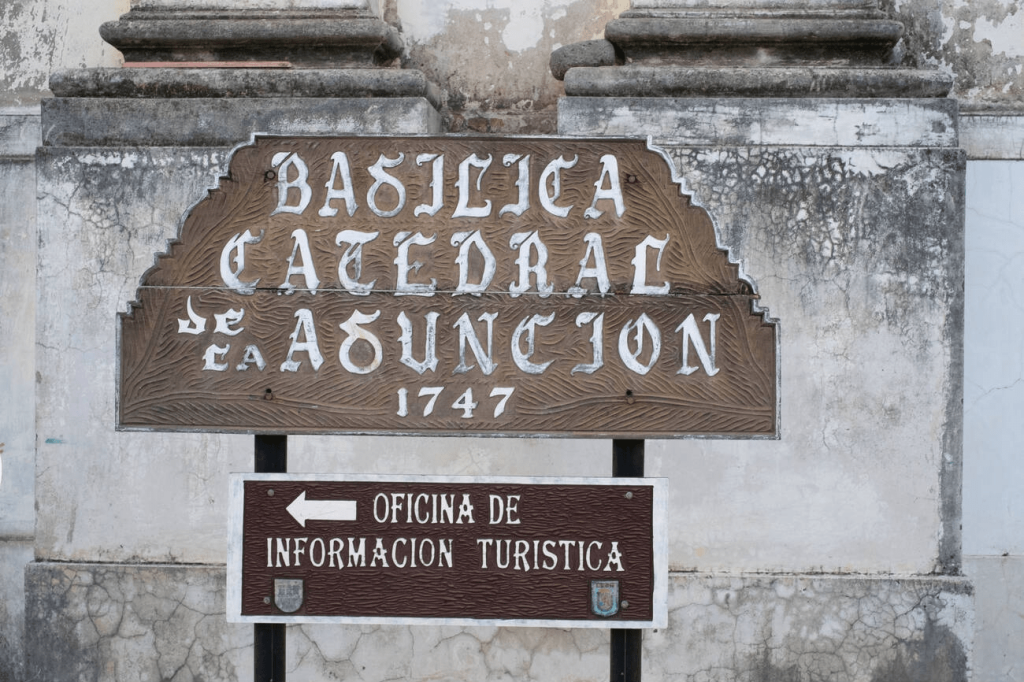
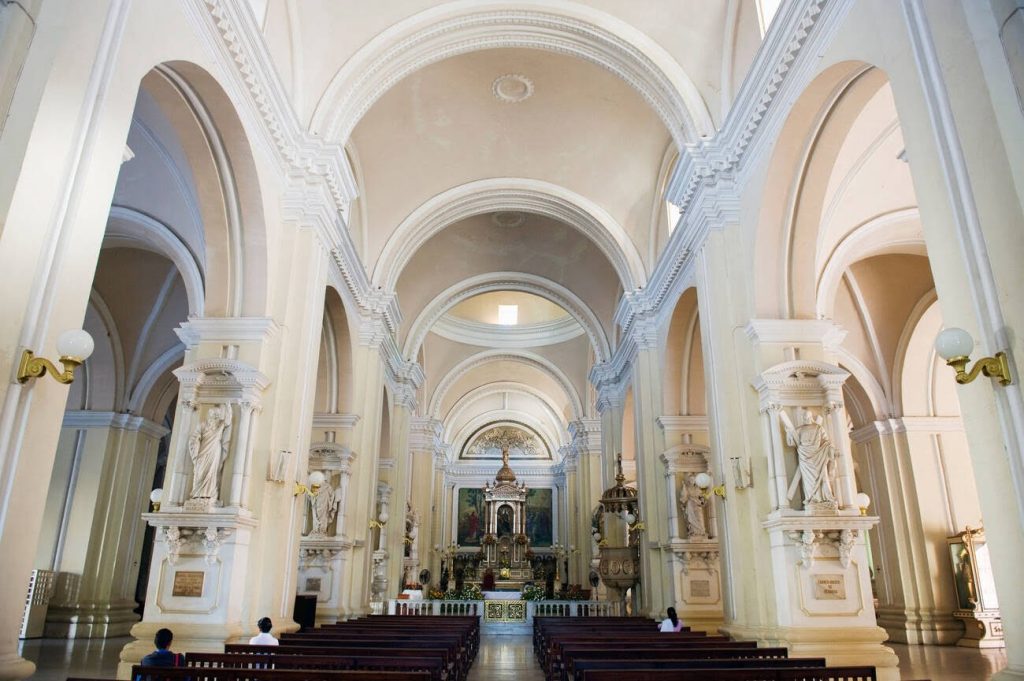
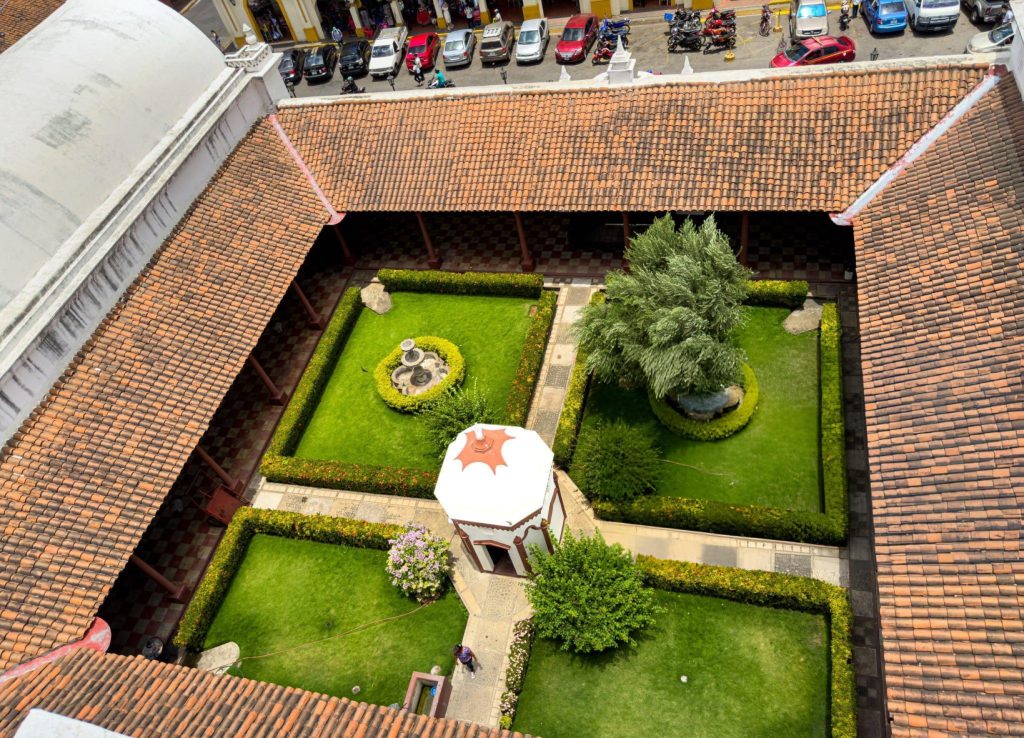
    The Leon Cathedral, officially known as the Cathedral Basilica of the Assumption of Leon, is a masterpiece of colonial architecture and a UNESCO World Heritage Site. Constructed between 1747 and 1814, this cathedral is one of Central America’s most significant religious structures. Its Baroque style, adorned with intricate carvings and paintings, makes it a must-visit for history enthusiasts and architecture buffs alike. Visitors can climb to the cathedral’s rooftop for panoramic views of Leon and its surroundings.

    Leon Nicaragua Cathedral Roof

    Rubén Darío Museum

    Dedicated to Nicaragua’s most famous poet, the Rubén Darío Museum provides insight into the life and works of Rubén Darío, a key figure in the modernismo literary movement. Located in Darío’s former residence, the museum houses personal belongings, manuscripts, and memorabilia that illustrate Darío’s profound influence on Nicaraguan and world literature. It’s a pilgrimage site for literature enthusiasts seeking to understand Darío’s impact on cultural movements of the 19th and 20th centuries.

    Ortiz-Gurdián Art Gallery

    Situated in a beautifully restored colonial building, the Ortiz-Gurdián Art Gallery showcases an impressive collection of Nicaraguan and Latin American art. The gallery features works by renowned artists as well as contemporary pieces that reflect Nicaragua’s artistic evolution. Exhibitions range from traditional paintings to modern installations, providing visitors with a comprehensive overview of Nicaragua’s vibrant art scene.

    Cerro Negro Volcano

    For outdoor enthusiasts and adventurers, a visit to Cerro Negro Volcano offers a thrilling experience. Known for its black volcanic sands and spectacular views, Cerro Negro is one of the youngest and most active volcanoes in Nicaragua. Visitors can hike to the summit and, for the more daring, indulge in volcano boarding—a thrilling activity where participants slide down the steep slopes on wooden boards.

    Beaches of Poneloya and Las Peñitas

    Located just a short drive from Leon, the beaches of Poneloya and Las Peñitas offer a tranquil escape from city life. These pristine beaches are popular among locals and tourists alike for swimming, surfing, and enjoying breathtaking sunsets over the Pacific Ocean. Visitors can relax on the sandy shores, savor fresh seafood at beachfront restaurants, or engage in water sports such as surfing and kayaking.

    Local Cuisine and Dining Experiences in Leon Nicaragua

    Exploring the culinary delights of Leon Nicaragua reveals a blend of traditional Nicaraguan flavors influenced by indigenous, Spanish, and Creole cuisines. From street food to fine dining, Leon offers a variety of dining experiences that highlight its cultural diversity and culinary heritage.

    Traditional Nicaraguan Dishes

    Nicaraguan cuisine is characterized by its use of fresh ingredients such as maize, beans, plantains, and a variety of meats. Some of the must-try dishes in Leon include:

    • Gallo Pinto: A staple dish made from rice and beans, often served for breakfast with eggs, cheese, and plantains.
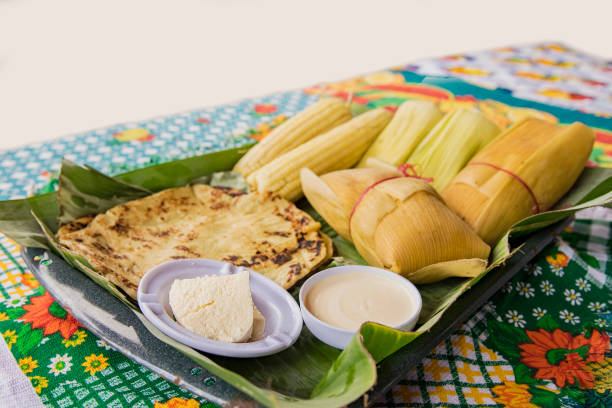
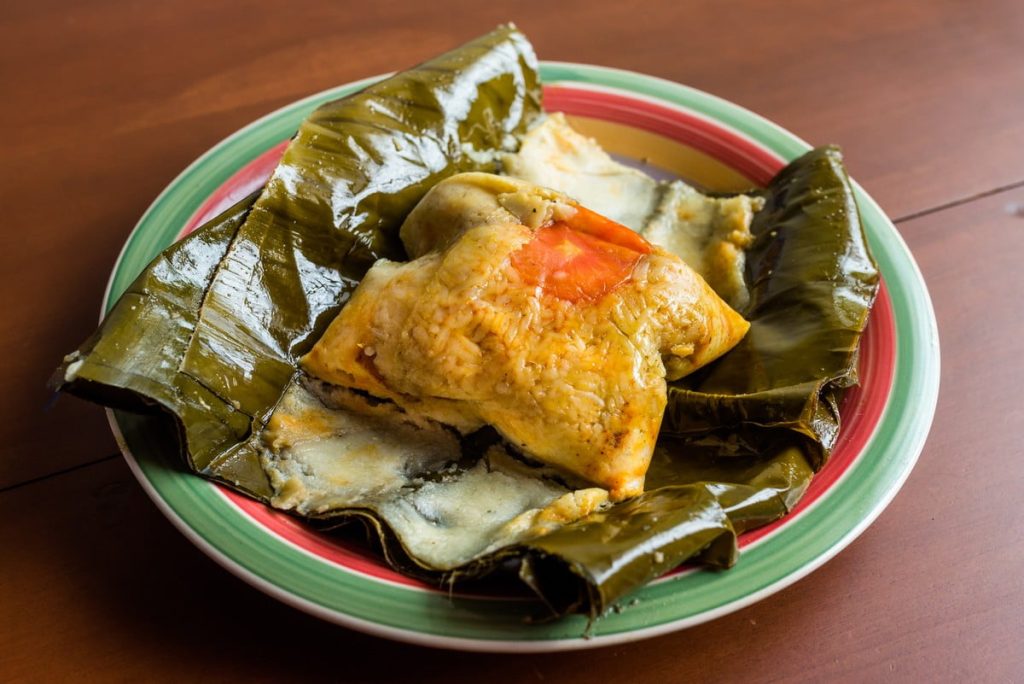
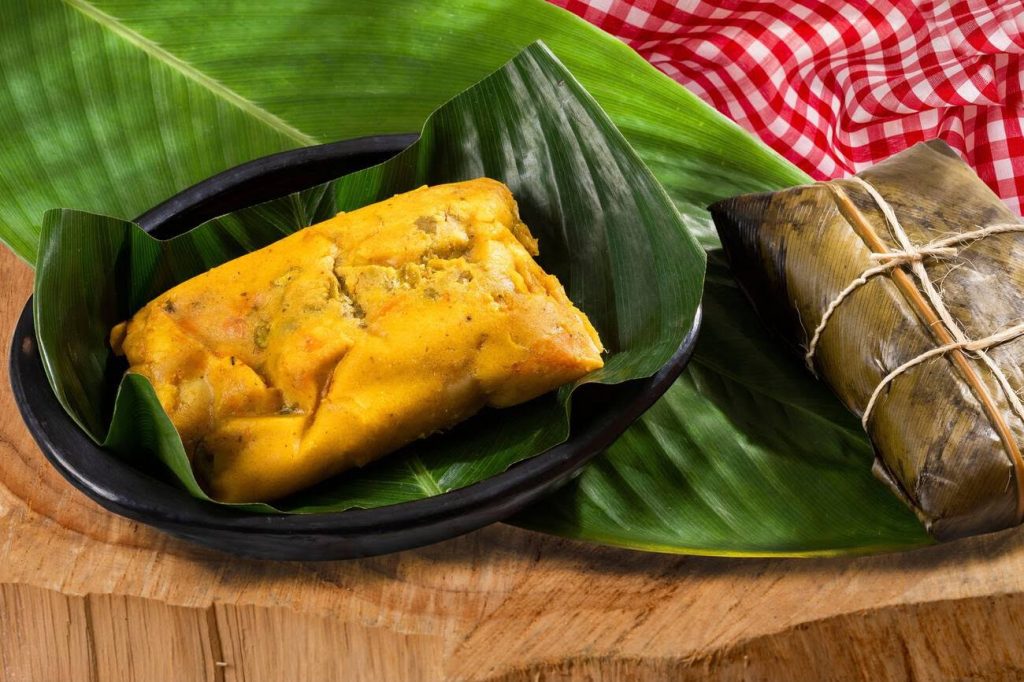
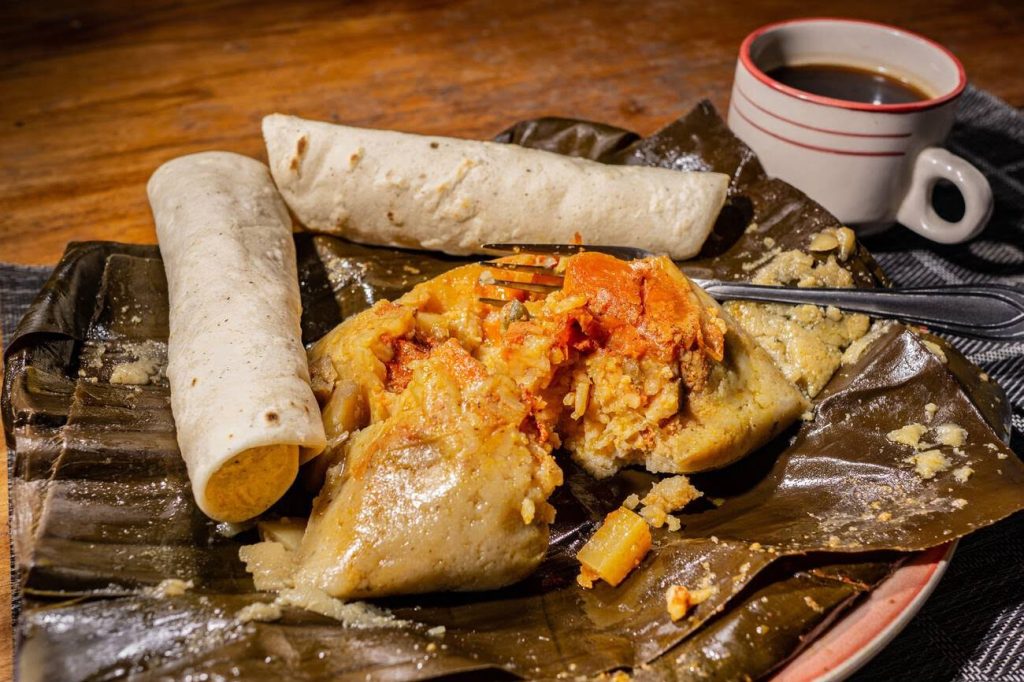
    • Nacatamal: A traditional Nicaraguan tamale made with maize dough filled with pork, rice, potatoes, and vegetables, wrapped in a plantain leaf and steamed.
    • Vigorón: A dish consisting of boiled yuca (cassava), chicharrón (fried pork belly or pork rinds), and cabbage salad, typically served with a side of pickled onions.
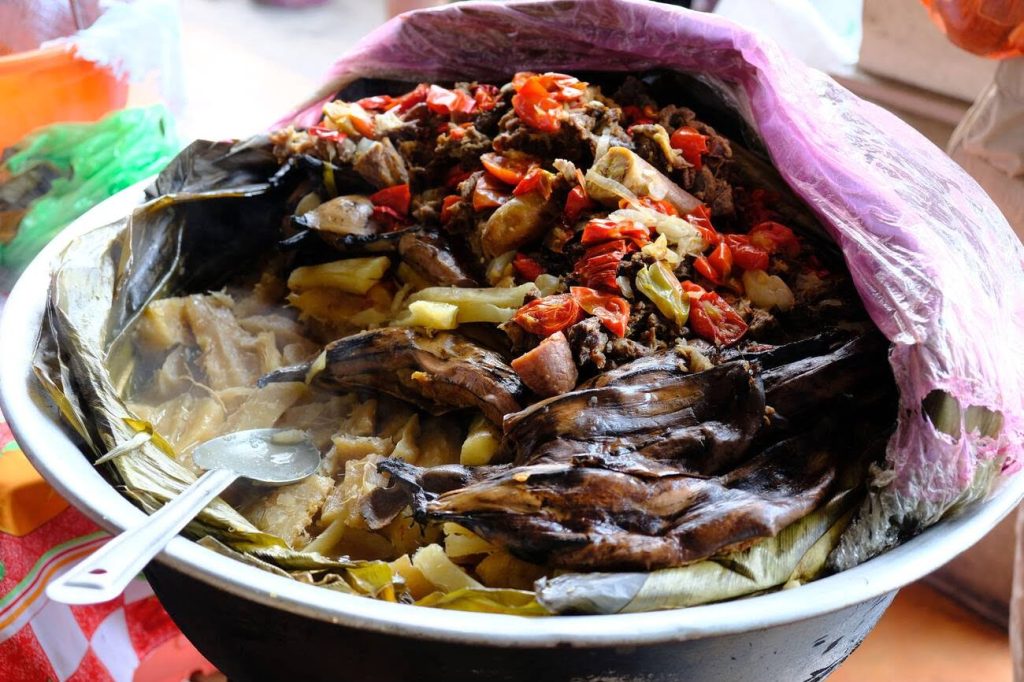
    • Indio Viejo: A hearty stew made with shredded beef or chicken, maize dough, tomatoes, and bell peppers, seasoned with achiote (annatto) and other spices.

    Dining Experiences

    Leon offers a range of dining options, from casual eateries and street food vendors to upscale restaurants that cater to diverse tastes. Some notable dining experiences include:

    • Comedor Doña Lidia: A popular spot among locals for authentic Nicaraguan dishes served in a casual setting. This is a great place to try local specialties like Indio Viejo and Nacatamal.
    • El Sesteo: Located in a colonial-style building, El Sesteo offers a more upscale dining experience with a menu featuring Nicaraguan fusion cuisine. It’s known for its ambiance and creative dishes that incorporate local ingredients.
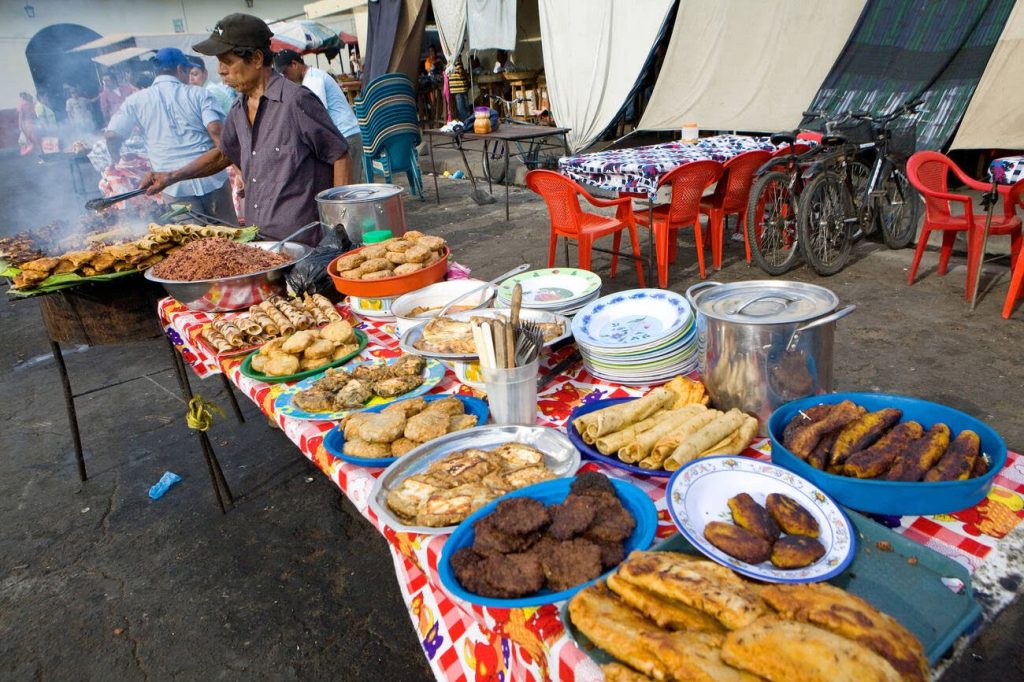
    • Street Food: Wander through Leon’s streets and you’ll find street vendors selling delicious snacks such as tacos, enchiladas, and empanadas. These affordable options provide a taste of authentic Nicaraguan flavors and are perfect for a quick bite while exploring the city.

    Cultural Significance of Food

    Food in Leon goes beyond sustenance; it’s a reflection of Nicaraguan culture and traditions. Many dishes have historical roots and are tied to local festivals and celebrations. Dining in Leon offers not just a culinary experience but also an opportunity to immerse oneself in the cultural fabric of the city.

    Practical Travel Tips for Visitors to Leon Nicaragua

    Planning a trip to Leon Nicaragua involves considerations for logistics, safety, and cultural etiquette to ensure a smooth and enjoyable experience. Here are practical travel tips to help you navigate your visit to this historic city.

    Best Times to Visit

    The best time to visit Leon Nicaragua is during the dry season, which typically spans from November to April. During this period, you can expect sunny weather and fewer chances of rain, ideal for exploring outdoor attractions and enjoying the city’s festivities.

    Getting Around

    • Walking: Leon is a walkable city, especially in its historic center where many attractions are located. Walking allows you to immerse yourself in the city’s architecture and vibrant street life.
    • Taxis: Taxis are readily available in Leon and are a convenient option for traveling longer distances or for reaching destinations outside the city center. Make sure to negotiate fares beforehand or ensure the taxi meter is used.
    • Public Transportation: Local buses and minibusses (known as “chicken buses”) provide affordable transportation within Leon and to nearby towns. They are a popular mode of transport among locals but may be crowded during peak hours.

    Safety Tips

    • Exercise Caution: While Leon is generally safe for tourists, it’s advisable to remain vigilant, especially in crowded areas and at night. Keep your belongings secure and avoid displaying valuables openly.
    • Health Precautions: Pack necessary medications and ensure you have travel insurance that covers medical emergencies. Drink bottled water and be cautious with street food to avoid gastrointestinal issues.

    Local Customs and Etiquette

    • Respect Cultural Norms: Nicaraguan culture places importance on politeness and respect. Learn a few basic Spanish phrases and greet locals with courtesy.
    • Dress Modestly: When visiting religious sites such as the Leon Cathedral, dress modestly out of respect for local customs and traditions.

    Currency and Payment

    • Currency: The official currency of Nicaragua is the Nicaraguan Córdoba (NIO). US dollars are widely accepted in tourist areas, but it’s advisable to carry local currency for smaller transactions.
    • ATMs and Exchange: ATMs are available in Leon, particularly in the city center and near major banks. Currency exchange services are also available, but rates may vary.

    Conclusion

    Leon Nicaragua, with its blend of history, culture, and natural beauty, stands as a captivating destination in Central America. From its colonial architecture and literary heritage to its vibrant arts scene and culinary delights, Leon offers a wealth of experiences for travelers seeking to explore Nicaragua’s cultural heart.

    Throughout this guide, we’ve explored the rich history of Leon, from its founding as a Spanish settlement to its pivotal role in Nicaragua’s independence movements. We’ve delved into the city’s cultural heritage, highlighting its contributions to literature, art, and architecture. We’ve also uncovered Leon’s top attractions, including the iconic Leon Cathedral, the Rubén Darío Museum, and the adventurous Cerro Negro Volcano.

    Moreover, we’ve savored the flavors of Leon through its traditional cuisine and dining experiences, emphasizing the cultural significance of food in Nicaraguan society. We’ve provided practical travel tips to help you navigate Leon with ease, ensuring a safe and enjoyable journey.

    Whether you’re drawn to Leon’s historical landmarks, artistic expression, outdoor adventures, or culinary delights, exploring this city promises an enriching experience that celebrates Nicaragua’s past and present.

    Plan your journey to Leon Nicaragua and discover a city where history comes alive, culture thrives, and every corner tells a story waiting to be explored.

  • Discovering Ometepe Island: Nicaragua’s Natural Gem

    Discovering Ometepe Island: Nicaragua’s Natural Gem

    Ometepe Island, Located in the heart of Lake Nicaragua, is a captivating destination known for its natural beauty and rich cultural heritage. This article serves as your comprehensive guide to exploring this unique gem in Central America.

    Geographical Features and Natural Attractions

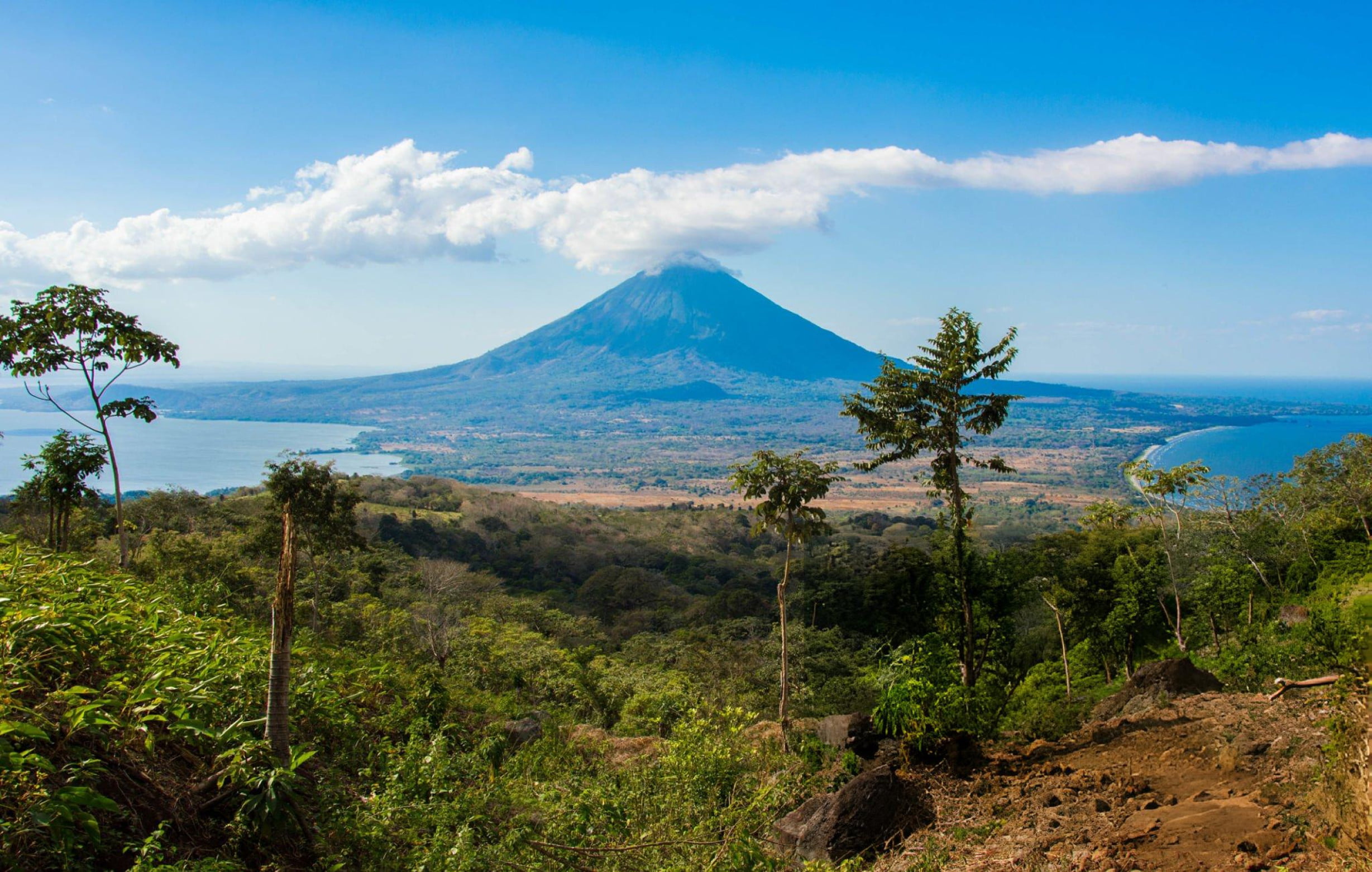
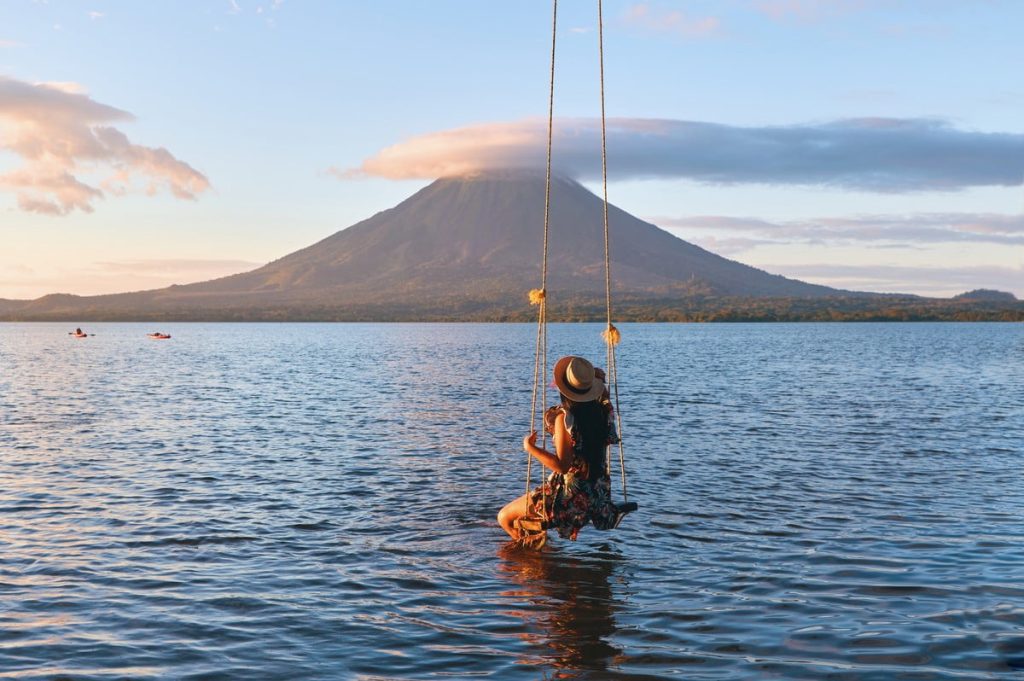
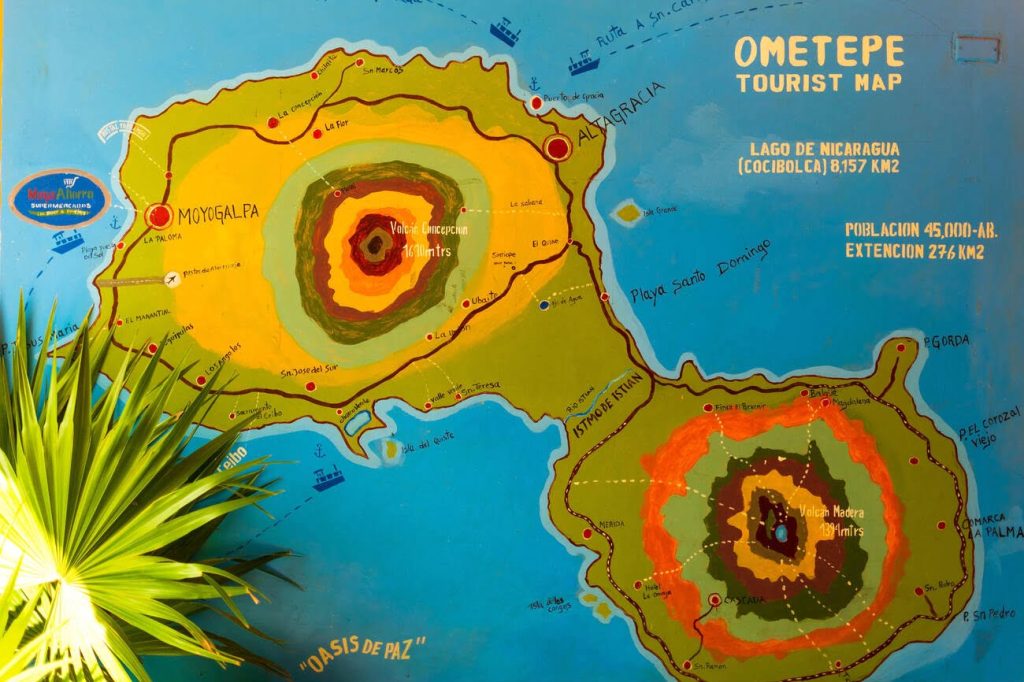
    Ometepe Island is distinguished by its twin volcanoes, Concepción and Maderas, which dominate the island’s landscape. These volcanoes not only shape the island’s geography but also offer adventurous hiking opportunities with rewarding panoramic views of the lake and surrounding countryside.

    The island is blanketed in lush rainforests that are home to a remarkable diversity of flora and fauna. Nature enthusiasts can spot howler monkeys, exotic birds, and endemic plant species while exploring the island’s many trails and nature reserves.

    Activities and Things to Do on Ometepe Island

    Beyond its volcanic peaks and forests, Ometepe Island offers a plethora of activities for outdoor enthusiasts. Adventurers can embark on challenging hikes up Concepción or opt for the more leisurely trek up Maderas, which leads to a crater lake perfect for a refreshing swim.

    For those seeking water-based activities, Lake Nicaragua provides ample opportunities for kayaking and paddleboarding, allowing visitors to explore the island’s shoreline and tranquil bays.

    Local Cuisine and Dining Experiences

    No visit to Ometepe Island is complete without sampling its authentic cuisine. Local dishes often feature fresh ingredients sourced from the island itself, including plantains, yucca, and freshwater fish. Be sure to try traditional meals like vigorón and nacatamales, best enjoyed at local eateries that blend flavors from both Pacific and Caribbean culinary traditions.

    Sustainable Tourism Initiatives on Ometepe Island

    In recent years, Ometepe has embraced sustainable tourism practices to preserve its natural beauty and support local communities. Initiatives include eco-lodges that operate with minimal environmental impact and community-based tourism projects that empower indigenous groups while offering visitors unique cultural experiences.

    Practical Travel Tips and Visitor Information

    Planning a trip to Ometepe Island requires some logistical considerations. The best time to visit is during the dry season (December to April), when weather conditions are most favorable for outdoor activities and sightseeing. Accommodation options range from budget-friendly hostels to upscale eco-lodges, catering to various preferences and budgets. Transportation to the island typically involves a ferry ride from San Jorge, followed by local buses or taxis to reach your destination.

    Conclusion

    Ometepe Island beckons travelers with its unparalleled natural beauty, rich cultural heritage, and commitment to sustainable tourism practices. Whether you’re an adventure seeker, nature lover, or cultural enthusiast, Ometepe promises a memorable experience that highlights the best of Nicaragua’s diverse offerings.

    History and Culture of Ometepe Island

    Ometepe Island boasts a rich history that dates back thousands of years, shaped by its volcanic origins and the diverse cultures that have called it home. This section delves into the island’s historical and cultural significance, offering insights into its ancient origins and indigenous heritage.

    Ancient Origins and Volcanic History

    Ometepe Island, formed by the convergence of two majestic volcanoes rising from Lake Nicaragua, has a geological history that spans millennia. The twin peaks of Concepción and Maderas are not only landmarks but also sacred sites revered by ancient civilizations that settled on the island.

    The volcanic soil has nurtured a vibrant ecosystem and sustained human habitation for centuries, making Ometepe a focal point of pre-Columbian cultures in the region. Archaeological sites reveal evidence of early settlements dating back to as early as 1500 BC, where indigenous peoples thrived amidst the fertile lands and abundant natural resources.

    Indigenous Cultures and Early Settlements

    The island’s name, “Ometepe,” derives from the Nahuatl words “ome” (two) and “tepetl” (mountain), reflecting its dual volcanic peaks. Before the arrival of Spanish conquistadors in the 16th century, Ometepe was inhabited by various indigenous groups, including the Nahuas and the Chorotegas.

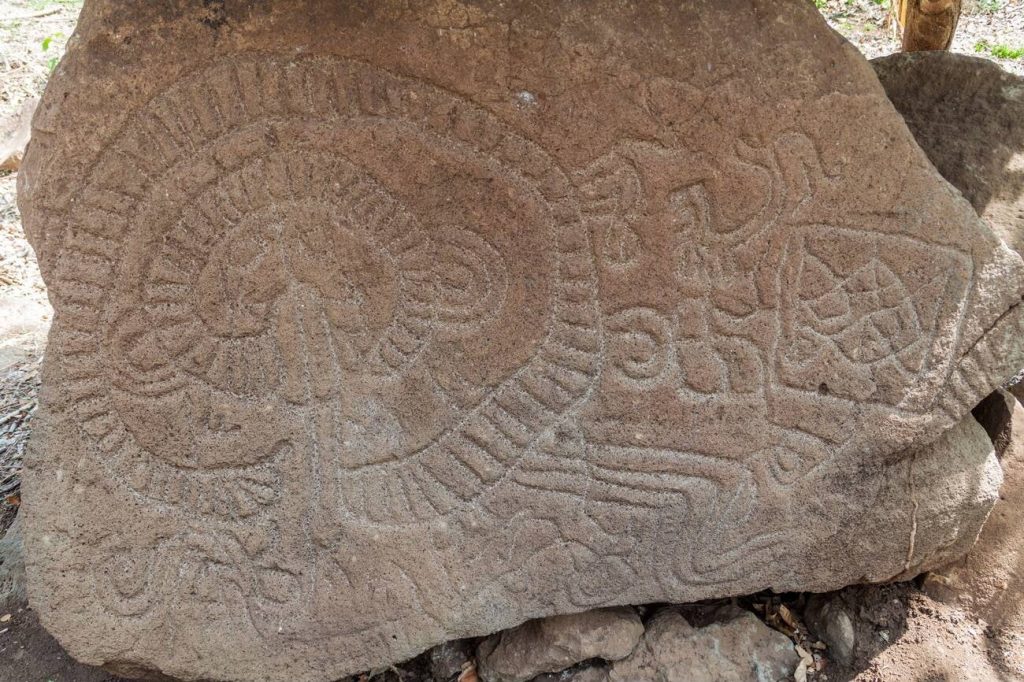
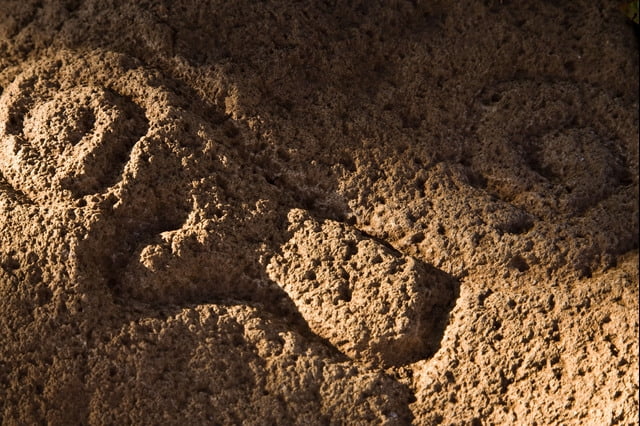
    These indigenous cultures left a lasting imprint on Ometepe’s identity, evident in archaeological sites such as El Ceibo, where petroglyphs and artifacts offer glimpses into their spiritual beliefs and daily lives. The island’s strategic location in Lake Nicaragua made it a cultural crossroads and trading hub, connecting ancient civilizations across Central America.

    Cultural Heritage and Modern Influences

    Today, Ometepe Island continues to celebrate its cultural heritage through festivals, traditional music, and artisan crafts. Visitors can explore local museums and community centers that showcase the island’s history and artistic traditions, including pottery and weaving techniques passed down through generations.

    The blend of indigenous customs with Spanish colonial influences has shaped Ometepe’s unique cultural identity, offering visitors a captivating glimpse into Nicaragua’s diverse cultural tapestry. From archaeological treasures to contemporary arts, Ometepe invites travelers to immerse themselves in its rich cultural legacy while experiencing its natural wonders.

    Geographical Features and Natural Attractions

    Ometepe Island is renowned for its dramatic geography shaped by two imposing volcanoes and lush rainforests teeming with biodiversity. This section explores the island’s distinctive features and the natural attractions that draw visitors from around the world.

    Twin Volcanoes: Concepción and Maderas

    At the heart of Ometepe Island stand two majestic volcanoes: Volcán Concepción and Volcán Maderas. Volcán Concepción, the larger and more active of the two, rises to an impressive height of 1,610 meters (5,282 feet) and dominates the northern part of the island. Its symmetrical cone and frequent volcanic activity make it a challenging yet rewarding destination for experienced hikers and adventure seekers.

    Volcán Maderas, in contrast, is characterized by its lush vegetation and a crater lake at its summit. Standing at 1,394 meters (4,573 feet), Maderas offers a more accessible hiking experience with trails that wind through cloud forests and past cascading waterfalls. The crater lake, Laguna de Maderas, invites hikers to cool off in its tranquil waters after a rewarding ascent.

    Lush Rainforests and Biodiversity

    Surrounding the volcanic peaks, Ometepe Island is blanketed in dense rainforests that harbor a remarkable diversity of flora and fauna. The volcanic soil supports a lush ecosystem where towering ceiba trees, orchids, and bromeliads thrive alongside endemic species found nowhere else in the world.

    Wildlife enthusiasts can spot howler monkeys swinging through the treetops, colorful toucans flitting between branches, and elusive jaguars prowling through the undergrowth. Ometepe Island is also a haven for birdwatchers, with over 200 bird species recorded, including parrots, hummingbirds, and the iconic Nicaraguan grackle.

    Freshwater Springs and Beaches

    Beyond its volcanic peaks and rainforests, Ometepe Island boasts pristine beaches and freshwater springs that offer tranquil retreats for visitors. Santo Domingo Beach on the eastern side of the island is known for its sandy shores and panoramic views of Lake Nicaragua and the mainland.

    ometepe island
    Cocibolca Lake Ometepe the world’s highest lake island.

    Natural freshwater springs, such as Ojo de Agua, provide refreshing swimming opportunities amidst lush surroundings. These natural pools are fed by underground springs, creating clear, cool waters that are perfect for relaxation and rejuvenation after a day of exploring the island’s natural wonders.

    Activities and Things to Do on Ometepe Island

    Ometepe Island is a paradise for outdoor enthusiasts and cultural explorers alike, offering a variety of activities that highlight its natural beauty and vibrant heritage. This section covers the adventurous sports, wildlife encounters, and cultural experiences that await visitors.

    Adventure Sports and Outdoor Activities

    1. Hiking Volcán Concepción and Maderas: Embark on a challenging hike up Volcán Concepción to witness breathtaking views of Lake Nicaragua and neighboring islands. For a less strenuous hike, explore the trails of Volcán Maderas, leading to its tranquil crater lake.
    2. Kayaking and Paddleboarding: Navigate the waters of Lake Nicaragua with kayaking or paddleboarding excursions, offering unique perspectives of Ometepe Island’s coastline and volcanic peaks.
    3. Cycling Tours: Rent a bicycle to explore the island at your own pace, cycling through picturesque villages, coffee plantations, and scenic viewpoints.
    4. Zip-lining and Canopy Tours: Experience the thrill of zip-lining through the treetops of Ometepe’s rainforests, offering adrenaline-pumping adventures with panoramic views.

    Wildlife Watching and Nature Tours

    1. Birdwatching: Ometepe Island is a birdwatcher’s paradise with diverse avian species, including parrots, toucans, and migratory birds. Join guided birdwatching tours to spot rare and endemic species in their natural habitats.
    2. Wildlife Encounters: Explore nature reserves and protected areas to encounter native wildlife such as howler monkeys, white-faced capuchins, and reptiles like iguanas and turtles.
    3. Night Tours: Discover Ometepe’s nocturnal creatures on guided night tours, where you might encounter bats, owls, and other elusive species under the cover of darkness.

    Cultural Experiences and Local Traditions

    1. Visit Museums and Artisan Workshops: Learn about Ometepe’s history and culture through visits to local museums and artisan workshops, where you can observe traditional crafts such as pottery and weaving.
    2. Attend Festivals and Cultural Events: Immerse yourself in Ometepe’s vibrant culture by participating in local festivals and celebrations that showcase music, dance, and culinary traditions.
    3. Community Tourism: Engage in community-based tourism initiatives that offer authentic interactions with local residents, supporting sustainable development and cultural exchange.

    Local Cuisine and Dining Experiences on Ometepe Island

    Ometepe Island offers a rich tapestry of flavors influenced by its indigenous heritage and local ingredients sourced from its fertile volcanic soil and freshwater sources. This section explores the island’s traditional dishes and highlights popular dining spots for visitors.

    Traditional Dishes of Ometepe Island

    1. Vigorón: A quintessential dish featuring yucca, chicharrón (fried pork rinds), and cabbage salad marinated in a tangy vinegar dressing. It’s a savory and satisfying meal that reflects the island’s agricultural bounty.
    2. Nacatamales: Similar to tamales but larger and stuffed with a flavorful mixture of pork, rice, potatoes, and vegetables, all wrapped in banana leaves and steamed to perfection. Nacatamales are a staple during festive occasions and celebrations.
    3. Freshwater Fish: Lake Nicaragua provides an abundance of freshwater fish, such as tilapia and mojarra, prepared in various ways including grilled, fried, or served in hearty soups and stews.
    4. Plantains: A versatile ingredient used in numerous dishes, from fried plantains served as a side dish to plantain chips (tajadas) and sweet plantain desserts (maduros).

    Popular Restaurants and Eateries

    1. El Zopilote: Located on the slopes of Volcán Maderas, El Zopilote offers an eco-friendly dining experience with organic meals sourced from their permaculture farm. Visitors can enjoy panoramic views while savoring vegetarian and vegan dishes made from locally grown produce.
    2. Comedor El Bamboo: Situated in the town of Moyogalpa, Comedor El Bamboo is known for its authentic Nicaraguan cuisine served in a casual setting. Try their grilled meats, fresh seafood, and traditional Nicaraguan breakfasts accompanied by homemade tortillas.
    3. Restaurante Café Campestre: Located in the greenery near Balgüe, this restaurant specializes in farm-to-table dining with dishes highlighting local flavors and organic ingredients. Enjoy Nicaraguan coffee and freshly baked pastries while taking in views of the surrounding countryside.

    Dining Tips and Culinary Experiences

    • Farm-to-Table Experiences: Many restaurants on Ometepe Island emphasize sustainable practices by sourcing ingredients locally and supporting community agriculture.
    • Street Food: Explore local markets and roadside stalls for a taste of Ometepe’s street food, including grilled meats, fried snacks, and fresh fruit juices.
    • Cooking Classes: Enhance your culinary experience with cooking classes that teach traditional Nicaraguan recipes, providing hands-on learning and insights into local food culture.

    Sustainable Tourism Initiatives on Ometepe Island

    Ometepe Island is committed to sustainable tourism practices that preserve its pristine natural beauty and support local communities. This section examines initiatives aimed at minimizing environmental impact, promoting cultural conservation, and enhancing the overall visitor experience.

    Ometepe Island

    Environmental Conservation Efforts

    1. Community-based Conservation Projects: Collaborative efforts between local communities, NGOs, and government agencies focus on preserving Ometepe’s biodiversity and fragile ecosystems. Projects include reforestation initiatives, wildlife monitoring, and sustainable agricultural practices.
    2. Waste Management and Recycling: Eco-friendly accommodations and businesses on the island prioritize waste reduction and recycling programs to minimize environmental footprint. Visitors are encouraged to support these efforts by disposing of waste responsibly and participating in beach and trail clean-ups.

    Community-based Tourism Projects

    1. Homestays and Cultural Exchanges: Experience authentic Ometepe hospitality through homestay programs that allow visitors to stay with local families, participate in daily activities, and learn about traditional customs and crafts.
    2. Artisan Cooperatives: Support local artisans and craftspeople by purchasing handmade souvenirs and products, such as pottery, woven textiles, and jewelry. Artisan cooperatives ensure fair wages and sustainable practices in craftsmanship.

    Economic Impact and Local Development

    1. Tourism Revenue Distribution: Sustainable tourism practices aim to distribute economic benefits equitably among local communities, ensuring that revenue from tourism supports infrastructure development, healthcare, education, and conservation efforts.
    2. Cultural Heritage Preservation: Efforts to preserve Ometepe’s cultural heritage include funding for cultural centers, museums, and festivals that celebrate indigenous traditions, music, dance, and culinary arts.

    Responsible Travel Tips

    • Choose Eco-friendly Accommodations: Stay at eco-lodges and hotels certified for sustainable practices, such as energy conservation, water management, and local sourcing of goods and services.
    • Respect Local Customs and Traditions: Learn about Ometepe’s cultural norms and traditions, including dress codes, etiquette, and religious practices, to show respect for the local community.
    • Support Local Businesses: Patronize locally owned restaurants, shops, and tour operators that prioritize sustainable practices and contribute to the local economy.

    Practical Travel Tips and Visitor Information for Ometepe Island

    Planning a trip to Ometepe Island involves considerations such as the best time to visit, accommodation options, transportation tips, and essential information to enhance your travel experience.

    Best Times to Visit Ometepe Island

    1. Dry Season: The best time to visit Ometepe Island is during the dry season, which typically spans from December to April. During these months, you can expect sunny weather with minimal rainfall, ideal for outdoor activities and exploring the island’s natural attractions.
    2. Shoulder Seasons: Consider visiting during the shoulder seasons of November and May, when the weather is generally pleasant and tourist crowds are fewer compared to peak season months.

    Accommodation Options

    1. Hotels and Eco-lodges: Ometepe Island offers a range of accommodation options to suit different preferences and budgets. Choose from eco-friendly lodges nestled in nature reserves, beachfront hotels offering stunning lake views, or budget-friendly hostels and guesthouses in towns like Moyogalpa and Altagracia.
    2. Booking in Advance: During peak travel seasons, it’s advisable to book accommodations in advance to secure your preferred choice and ensure availability, especially for popular eco-lodges and boutique hotels.

    Transportation Tips

    1. Ferry Services: Reach Ometepe Island via ferry services departing from San Jorge on the mainland. Ferries operate multiple times daily and accommodate passengers as well as vehicles, providing convenient access to the island.
    2. Local Transportation: Once on the island, transportation options include local buses, taxis, and rental bicycles or scooters. Roads can be rustic, particularly in rural areas, so plan accordingly for travel between attractions and towns.

    Practical Tips for Visitors

    1. Currency and Payments: The local currency in Nicaragua is the Nicaraguan Córdoba (NIO). While some businesses may accept US dollars, it’s recommended to have local currency for transactions. ATMs are available in major towns like Moyogalpa and Altagracia.
    2. Health and Safety: Pack essentials such as insect repellent, sunscreen, and any necessary medications. Tap water on the island may not be potable; opt for bottled water or use purification methods.
    3. Respect Local Customs: Ometepe Island has a rich cultural heritage, and visitors should respect local customs, including dress codes when visiting religious sites or participating in community events.

    Environmental Considerations

    1. Leave No Trace: Practice responsible tourism by minimizing your impact on the environment. Pack out all waste, avoid single-use plastics, and respect wildlife and natural habitats during your stay.
    2. Support Local Conservation Efforts: Consider participating in guided tours or volunteering with local conservation organizations to learn about Ometepe’s ecosystems and contribute to preservation efforts.

    Conclusion: Why Visit Ometepe Island?

    Ometepe Island captivates visitors with its stunning natural landscapes, rich cultural heritage, and commitment to sustainable tourism. Whether you’re seeking adventure, cultural immersion, or relaxation amidst nature, Ometepe offers a diverse range of experiences that cater to every traveler’s interests.

    Highlights of Ometepe Island:

    • Natural Beauty: Explore the twin volcanoes of Concepción and Maderas, hike through lush rainforests teeming with wildlife, and relax on pristine beaches with views of Lake Nicaragua.
    • Cultural Heritage: Discover ancient petroglyphs, visit local museums showcasing indigenous artifacts, and immerse yourself in traditional Nicaraguan cuisine and crafts.
    • Adventure Activities: Embark on challenging hikes up volcanic peaks, kayak along the shores of Lake Nicaragua, and zip-line through the canopy of Ometepe’s rainforests.
    • Sustainable Tourism: Support community-based tourism initiatives, stay at eco-friendly accommodations, and participate in conservation efforts to preserve Ometepe’s natural environment for future generations.

    Plan Your Trip to Ometepe Island

    Now is the perfect time to plan your adventure to Ometepe Island. Consider visiting during the dry season for optimal weather conditions and explore the island’s diverse attractions and activities. Book accommodations in advance, familiarize yourself with local customs, and prepare for an unforgettable journey into the heart of Nicaragua’s natural and cultural wonders.

    Start Your Journey

    Whether you’re a nature lover, history buff, or simply seeking a tranquil escape, Ometepe Island promises a memorable experience that combines adventure, culture, and sustainability. Discover why Ometepe is celebrated as one of Nicaragua’s most enchanting destinations and create lasting memories amid its volcanic landscapes and vibrant communities.

  • Discovering León Nicaragua Cathedral: A Guide to Cultural Splendor

    Discovering León Nicaragua Cathedral: A Guide to Cultural Splendor

    Insider’s Guide: León Nicaragua Cathedral Highlights

    León Nicaragua Cathedral, a cultural jewel Placed in the heart of León, stands as a testament to the city’s rich history and architectural prowess. This insider’s guide explores the cathedral’s deep-rooted significance, its architectural marvels, practical tips for visitors, and its prestigious status as a UNESCO World Heritage Site.

    History and Architecture of León Nicaragua Cathedral

    The León Cathedral, officially known as the Cathedral Basilica of the Assumption of the Blessed Virgin Mary, holds a prominent place in Nicaragua’s history. Constructed over several decades starting in the 18th century, it blends Baroque and Neoclassical architectural styles. The cathedral’s imposing façade, adorned with intricate carvings and statues, reflects the craftsmanship of its era.

    Cultural Significance and Heritage

    As the largest cathedral in Central America, León Cathedral plays a pivotal role in Nicaraguan culture. Beyond its religious importance, it serves as a UNESCO World Heritage Site, recognized for its architectural and cultural value. The cathedral hosts traditional ceremonies and community events, preserving Nicaragua’s heritage for future generations.

    Visitor’s Guide to León Cathedral

    Visiting hours are conducive to both early morning explorations and twilight visits when the cathedral is illuminated against the León skyline. Entry is typically free, with donations encouraged for maintenance and restoration efforts. Guided tours provide deeper insights into the cathedral’s history and architectural details, making them worthwhile for enthusiasts and history buffs.

    Highlights Inside León Cathedral

    Stepping inside, visitors are greeted by a sanctuary adorned with ornate altars, intricate chapels, and centuries-old religious artwork. The main altar, a masterpiece of Baroque design, commands attention with its gilded details and intricate woodwork. Paintings and sculptures by renowned Nicaraguan artists add to the cathedral’s cultural tapestry.

    Exterior and Surroundings

    Outside, the cathedral’s grandeur extends to its meticulously maintained gardens and courtyards. These serene spaces offer visitors a tranquil retreat amidst the bustling city. Climbing the cathedral towers rewards with panoramic views of León’s colonial architecture and distant vistas of Nicaragua’s landscape.

    Tips for Visiting and Etiquette

    Respectful attire is appreciated, especially during religious services. Photography is generally permitted, but discretion is advised out of respect for worshippers and the cathedral’s sacred ambiance. Silence is encouraged to maintain the serenity of the space, particularly during moments of prayer and reflection.

    Nearby Attractions and Activities

    Exploring beyond the cathedral reveals a wealth of cultural treasures in León. Nearby, visitors can explore museums showcasing Nicaragua’s artistic heritage or venture to local markets for authentic crafts and souvenirs. Dining options abound, offering a taste of Nicaraguan cuisine amidst historic settings.

    How to Get to León Nicaragua Cathedral

    Reaching León is straightforward, with options ranging from bus services connecting major cities to car rentals for independent travelers. Once in León, navigating to the cathedral is easy, with clear signage directing visitors to its prominent location in the city center. Parking is available nearby for those arriving by car.

    Conclusion

    The León Nicaragua Cathedral stands not only as a symbol of faith but also as a UNESCO World Heritage Site, underscoring its significance in Nicaragua’s cultural heritage. Whether marveling at its architectural grandeur, delving into its rich history, or soaking in its serene ambiance, a visit to this historic landmark promises a profound journey through Nicaragua’s past and present.

  • Riding Bus Pelon Through the Charms of León, Nicaragua

    Riding Bus Pelon Through the Charms of León, Nicaragua

    Exploring the Charms of León, Nicaragua: Bus Pelon and Beyond

    Nestled in the heart of Nicaragua, León stands as a testament to the country’s rich cultural heritage and vibrant community life. While tourists often flock to the colonial architecture and historical sites, one of the lesser-known but equally charming aspects of this city is its local transportation, particularly the famous “Bus Pelon.”

    Unveiling Bus Pelon

    Imagine stepping onto a brightly painted bus, its exterior adorned with colorful murals that depict scenes from Nicaraguan life—volcanoes, local heroes, and vibrant flora. This is the Bus Pelon experience, where every ride becomes a journey through art and culture. The name “Pelon” refers to the bus without top or roof.

    The Artistic Journey

    As you board, you’re greeted by cheerful locals, perhaps offering a friendly “buenos días” or “adiós” as they go about their daily commute. Inside, the bus is not just a mode of transport but a moving gallery. The seats are often adorned with colorful fabrics, and the windows provide a view of the bustling streets of León.

    Exploring León

    León itself is a city steeped in history and culture. It boasts a wealth of colonial architecture, including the awe-inspiring León Cathedral, a UNESCO World Heritage site known for its stunning rooftop views. The city also has a vibrant arts scene, with galleries showcasing both traditional and contemporary Nicaraguan art.

    Beyond the Bus: Local Flavors and Traditions

    Not visiting León would not be complete without tasting some of the local cuisine. From gallo pinto (rice and beans) to vigorón (a dish of yuca, chicharrón, and cabbage salad), the flavors of Nicaragua are sure to tantalize your taste buds. You can also explore local markets, where artisans sell handmade crafts and souvenirs that reflect the region’s cultural diversity.

    Connecting with the Community

    One of the most rewarding aspects of riding Bus Pelon is the opportunity to connect with the local community. Nicaraguans are known for their warmth and hospitality, and a bus ride can quickly turn into a lively conversation about life in León, recommendations for must-visit spots, or even a chance to practice your Spanish.

    Final Thoughts

    In a world where transportation often focuses solely on getting from point A to point B, Bus Pelon offers a refreshing change—a chance to immerse yourself in the sights, sounds, and stories of León. Whether you’re exploring the city’s historic landmarks, savoring its culinary delights, or simply enjoying the ride, Bus Pelon embodies the spirit of Nicaraguan culture and community.

    Next time you find yourself in León, don’t just take a bus—take a journey with Bus Pelon and discover the heart and soul of this enchanting city.